(EDIT: Fixed misspelling in title argh.)
Why are these a thing? Retro Game Attic takes a look at the secret Controller Pak menus included in many (all?) memory card supporting games for the Nintendo 64. (14 minutes)
The N64 came out after the release of the Sony Playstation, which had already begun its meteoric rise. The Playstation used optical disc media, and had no on-console memory for saving like the Saturn did, so memory cards were a necessity for saving game state. While the N64 didn’t absolutely need them, since the biggest advantage of cartridges as a game storage medium was the ability to include hardware like flash storage in the cartridge (a feature used in Super Mario 64, the first system pack-in), an iconic feature of the N64 was the controller ports, which allowed the use of flash memory cards that could hold save data for multiple games.
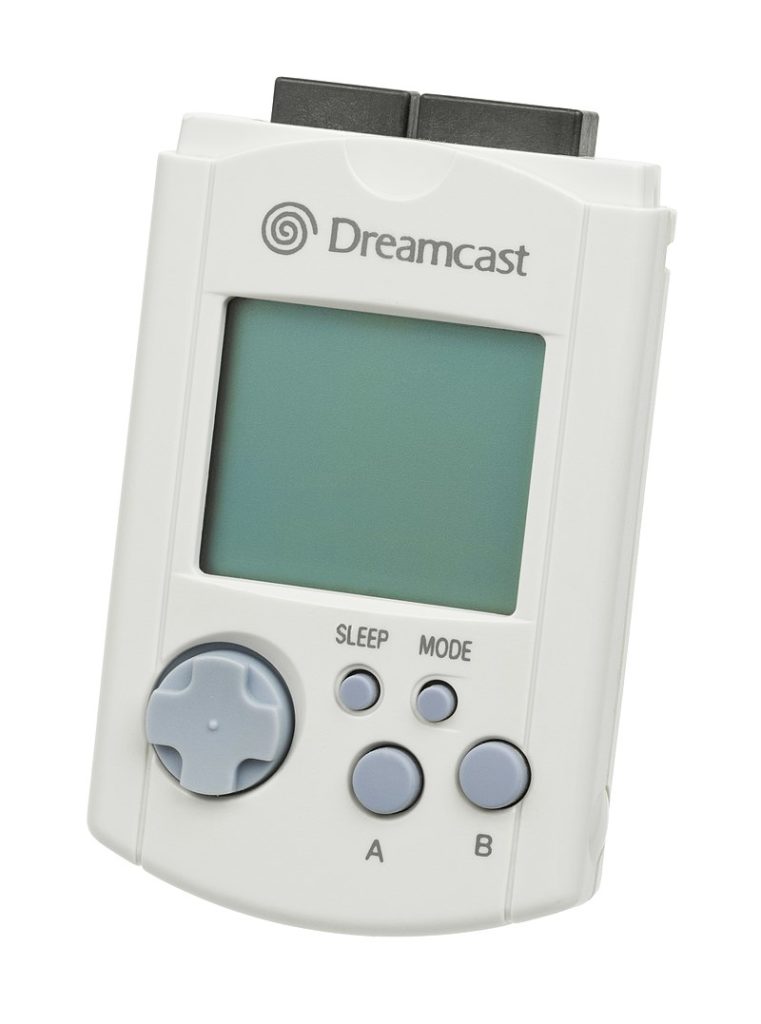
As the video demonstrates, memory cards were plugged directly into the controllers, and controller paks allowed for some nice features. My favorite was how Gauntlet Legends allowed players to save characters to their own memory card, so you could maintain state between games played on different cartridges. (This feature would be retained in the Dreamcast version of Gauntlet Legends, which also had controller port memory cards.)
The Nintendo 64 didn’t have a BIOS or other internal boot time code. Like with the SNES, all of its executable code was contained withing the cartridges, or “Game Paks.” (Nintendo certainly loved to call hardware “Paks.” Pak Chooie Umf!) This meant that controller management features couldn’t be included in the console itself as with the Playstation, and any management would have to be done in the cartridge itself.
I don’t know if it was a Nintendo mandate that all games that used memory cards had to include their own menu to manipulate saved data, but in practice that’s what happened. All those games with their own controller data managers! And many games didn’t even expose them in the menus. I suspect that to this day many former and current Nintendo 64 owners don’t know, if they want to check what data is on a card or delete something, they have to insert a card-supporting game and hold Start while turning the system on.
Not all games! Just games that use memory cards! And the weirdest thing, which the video makes a deal out of, is that every game uses its own assets to implement the menu: graphics, backgrounds, fonts and sounds. Dozens of bespoke UI implementations, all to provide the same functionality. Some games add extra features, like exposing a little extra data or letting you switch between controllers. Some games have separate menus available after their normal startup; Rare did this, and sometimes those used completely different menus. But as far as I know, if a game used memory cards, you could hold Start at boot time to manage them.
It’s just another oddity with what, in retrospect, has become one of Nintendo’s oddest consoles. More information on N64 controller pak management menus can be found at consolemods.org. Information on N64 controller paks themselves is at ultra64.ca, which includes Nintendo’s policies on what cartridges should do to facilitate N64 memory cards.