Waverly Films has been at the Youtube funny video business for a long time, and although it’s been five years since their last output, every once in a while their members put out something new, so we haven’t yet lost hope that we’ll see something new from them, someday.
Displaced Gamers takes a lot of time to make their videos, but I always know their videos will be worth watching, and usually also worth posting about. Their newest video (36 minutes) is a typically deep dive into Metroid’s game engine, and why the game inexplicably drops frames. It’s only a first part so far, but they do an excellent job of breaking down Metroid’s game loop. As far as it goes to this point, a big part of the issue has to do with the main game loop being called to prepare game screens being scrolled into, which are kept in a big memory buffer (so big the game requires extra RAM on the cartridge to store it) and copied into the PPU’s VRAM when needed.
Here’s the video. If you enjoy this sort of thing, we’d probably get along very well in person!
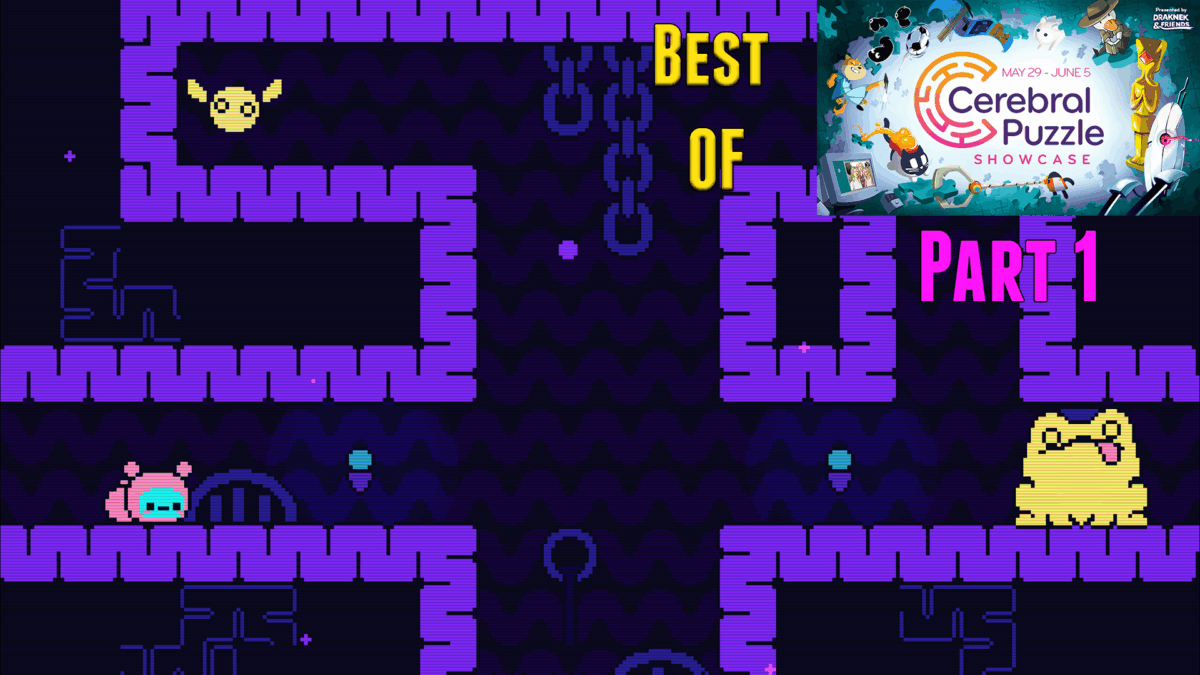
I’d like to point out that Chipwits is a game we’ve covered here before!
In other news… itch.io has come under a firestorm over the past couple of days over their delisting a whole bunch of games that covered adult subjects because of pressure from their payment processors. As it turns out, those processors themselves have been targeted by a campaign from right-wing “Christian” organization Collective Shout. I have tried to prioritize links to itch.io, and even distribute software and books through that site, but now I’m going to have to think hard about alternatives. PCGamer has a good overview of the situation.
Owner of Game Wisdom with more than a decade of experience writing and talking about game design and the industry. I’m also the author of the “Game Design Deep Dive” series and “20 Essential Games to Study”
The player can switch their switch themselves by pressing L and R, but only by pressing in, not out. Doing so both changes the state of all the switch blocks, and makes the switch itself much shorter. In play terms, this is equivalent of Super Mario shinking and becoming Regular Mario, and in fact getting hit by an enemy has the same effect, resulting in being switched prematurely, and all the blocks changing state too. To switch back, you collect a P Switch item, which is essentially a Super Mushroom, restoring both the player’s state and reswitching all the blocks.
Balatro is still a thing, and a major update with lots of new jokers is due soon, but until then you might tide yourself over with an online multiplayer mod, available here for PC players.
Each player plays their own independent game of Balatro with the same seed, but when you reach a boss blind after the first one, you don’t play against one of Balatro’s many built-in bosses, but instead you try to beat the other player’s score at that same round. You’re told what their score is in the boss battle (if they’re playing it or have already finished it), but aren’t given other information like which jokers they have or their deck composition. Instead of the usual instant-lose scenario you get a limited number of lives. If you lose but still have a life left, you get some consolation money and get to keep playing. The last player remaining wins.
There are a few other changes, such as a handful of removed jokers, but also some new ones that take special advantage of the format. One unique aspect to multiplayer is, if you’re both in the Boss Blind and your opponent finishes their round and you already have a higher score, you immediately win the round at that point and don’t play your remaining hands. This can be bad (you might not get to use some money-earning jokers, scaling jokers don’t trigger and seals don’t get the chance to work) or good (you get all the money from the hands that round, and you might save glass cards from being broken).
PannenKoek, Youtube’s foremost expert on Super Mario 64 esoterica, has made another video (35 minutes). This one’s about how they managed to get all the way up the tower in Whomp’s Fortress without pressing the A button at all.
To remind: not pressing the A is troublesome to build a challenge around (that being what makes it interesting) because it’s Mario’s most fundamental verb: the jump button. On the Gamecube, it was physically the biggest button! I loved that about its controller: these days I always get the buttons mixed up, as a result of some games making the left button the main one, and some making the bottom one. On the Gamecube, there was no question. But the A Button Challenge asks that you use it as little as possible.
The issue with Whomp’s Tower is that it’s a tower, a vertical structure itself atop a mountain. To find out how they did it, I refer you back to the video.
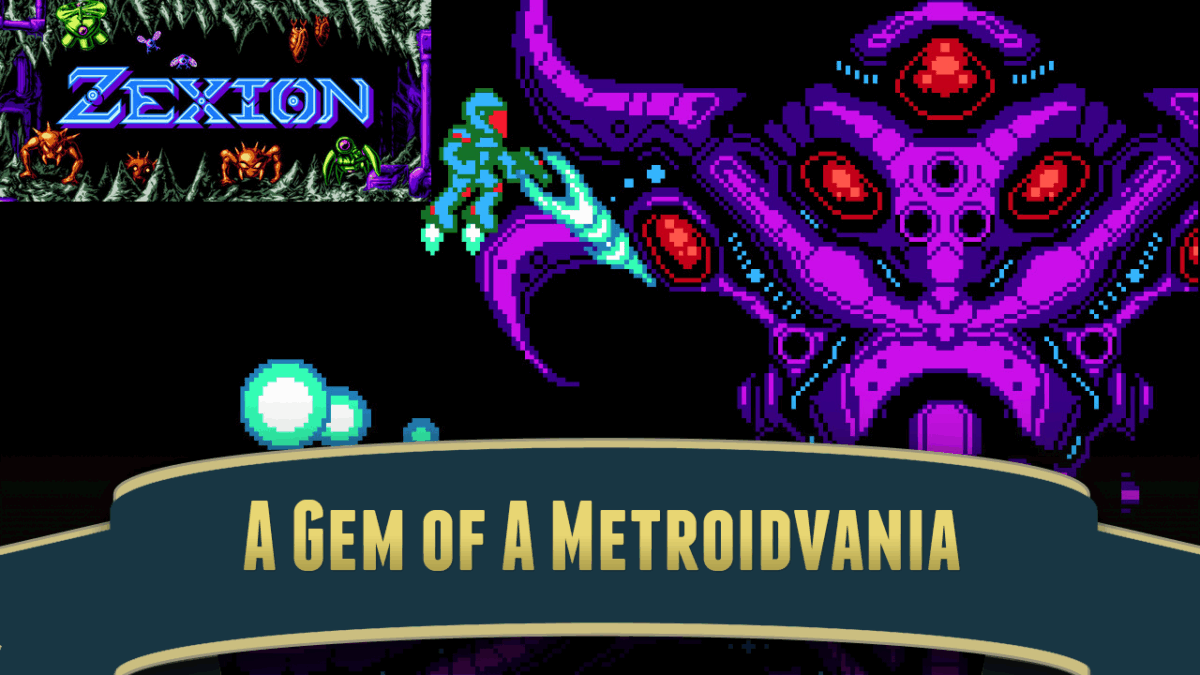
My (Josh Bycer’s) latest review is up for Zexion and how it is one of the best metroidvanias of 2025, provided you are in the mood for a challenging game.
Owner of Game Wisdom with more than a decade of experience writing and talking about game design and the industry. I’m also the author of the “Game Design Deep Dive” series and “20 Essential Games to Study”