The KIM-1, 50 years old as of 2026, was the first 6502-based home computer, designed by the legendary Chuck Peddle and sold by MOS Technologies themselves. (Well, we’re not sure if the Apple I or the KIM-1 was first. Or maybe it was the JOLT? As I’ve said before, there’s always something you’ve never heard of before out there, waiting to make you look like a fool.)
Someone on Mastodon (I can’t find the post now) mentioned that the KIM-1 had excellent programming guides, as it rightfully must have had, considering a freshly-assembled KIM had to have been programmed in raw machine code, and coming from an era before the World Wide Web. I had a look and, lo, it did!
Have a look for yourself, from a copy hosted by Rich’s Classic Computer Pages (PDF). Explained in an early chapter is how to properly add together numbers of arbitrary sizes, something that I had to find out from random sources. I wish I had this book when I was programming on the Commodore 64; I did have the famous Programmer’s Reference Guide, but that’s just it. It’s a reference work, and very difficult to learn the principles of assembly coding through it directly. (That said, there are pages in the C64 PRG that will look very familiar to someone flipping through the KIM-1 Programmer’s Guide.)
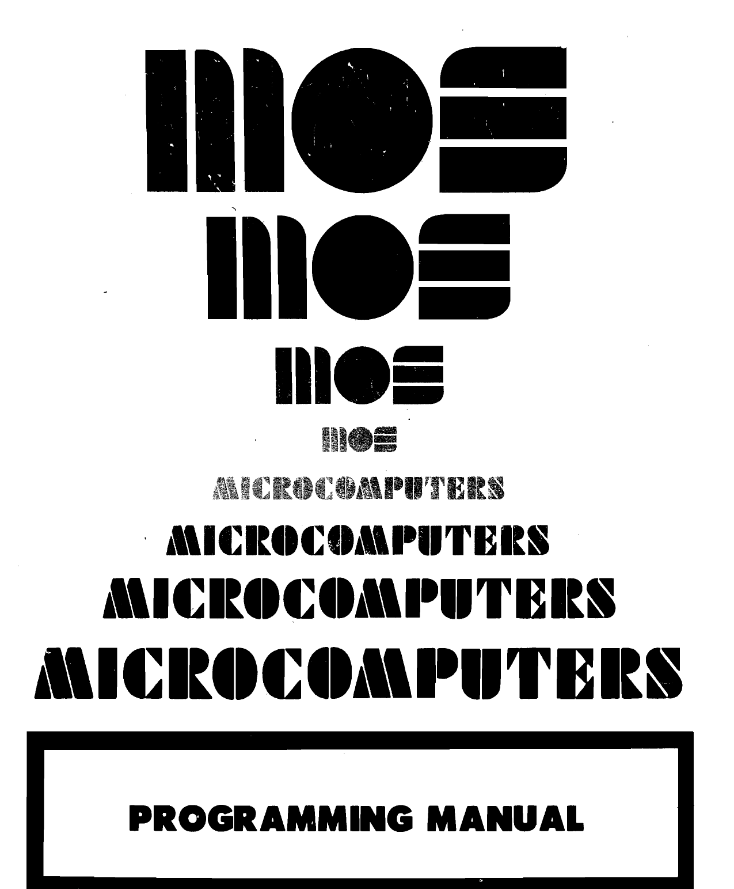
The cover of the Book itself
If you sat down and read this all the way through, and it’s quite readable for a programming manual, you’d be well placed to write code for, not just the KIM-1, but any 6502 computer. While for other machines you would need more information, like memory maps and hardware documentation, and you might like to have an assembler too, you’d still have a great foundation for whatever crazy programming adventure you were about to embark upon. I love it.
By the “first LowSpec” processor it means the 6502. This video is a retrospective on its origins (27 minutes). With its manga-styled illustrations of key players interspersed by stock footage and the occasional meme, It’s not my favorite style for a YouTube doc (those would be the Dan Olson/Folding Ideas style), but it’s not a bad introduction?
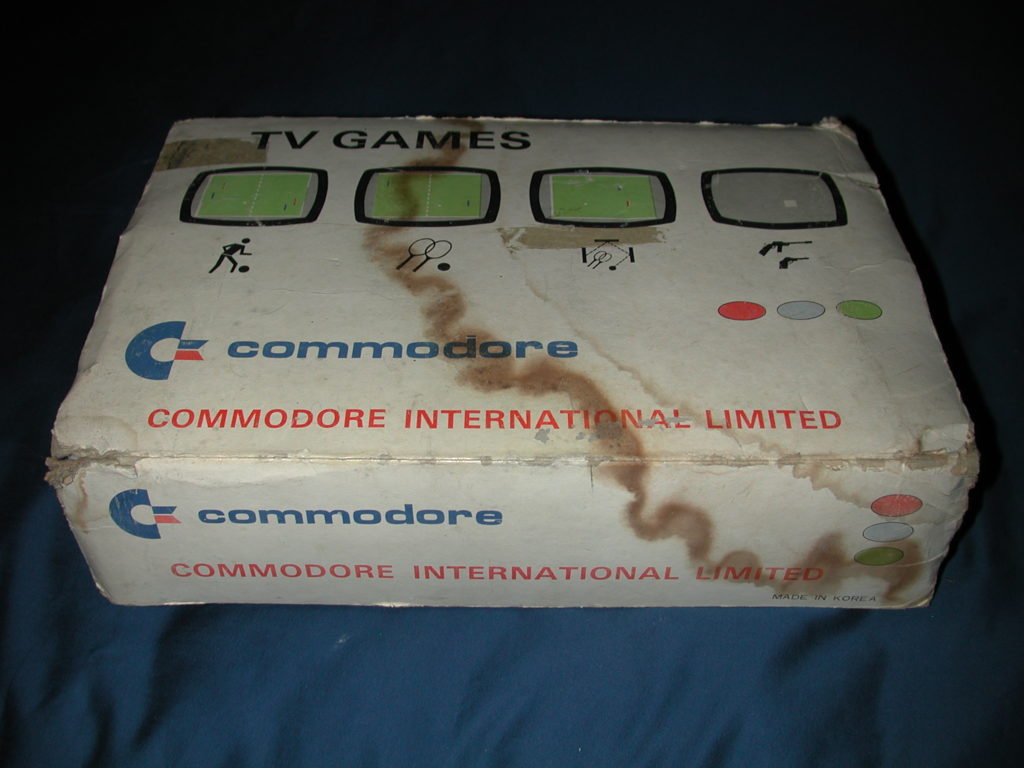
Now here’s a Commodore console I’d wager you haven’t heard of. (Images from Old Vintage Computing Research.)
In a bygone age, the video game industry largely consisted of “dedicated” machines, that could play the games they were made to play and nothing else. Customers would buy devices costing $100 or more in 1970s dollars that could only play Pong and maybe a handful of other games, and that was it. It was a weird time.
There was a whole cottage industry of special chips devised by fabricators back then, that a manufacturer could buy from them, build a plastic shell around with AV connections, a few switches, and controllers (often hard-wired to the machine), and just like that have a console read to sell. The company General Instruments in particular sold a lot of these chips. Many of the details of this era can be read on the website Pong Story.
In addition to GI, Texas Instruments, National Semiconductor, and even MOS Technologies, makers of the 6502, got in on the dedicated video game chip business. MOS’s angle was to make customized chips that had a bit of built-in ROM that could run small programs without having to have a separate chip to store game code.
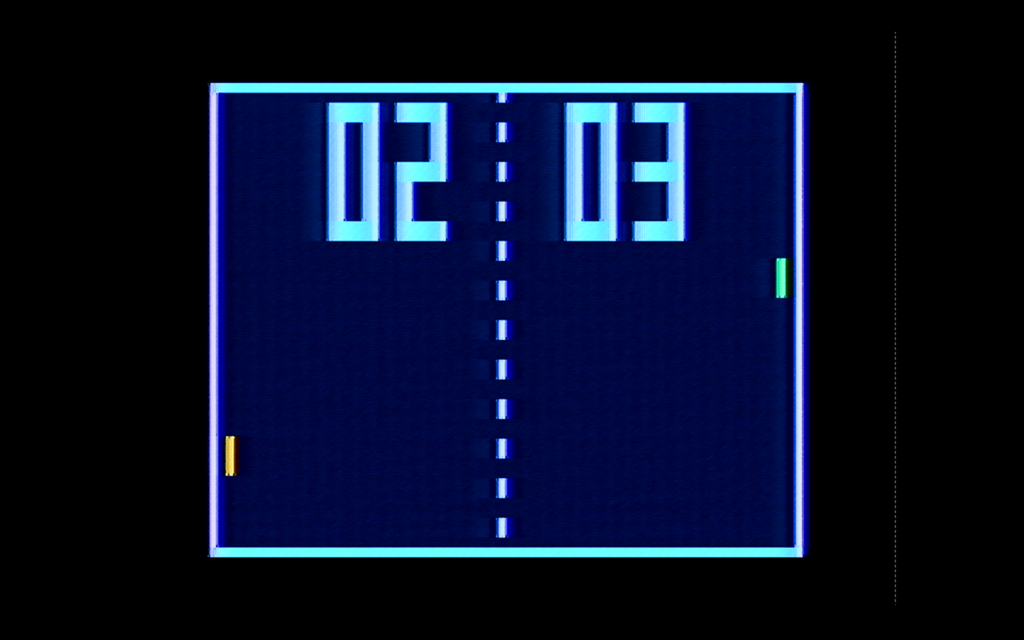
My, what big numbers you have.
This was a fairly brief in the history of video gaming, and only a few consoles were made using these chips, all of them very obscure today. The always great blog Old Vintage Computing Researchrecently hunted down some of these consoles and tried them out. It’s a big article, and it makes for fascinating reading, to those of a certain mind. Of those, I am one. I suspect that you might be one too!
“We scour the Earth web for indie, retro, and niche gaming news so you don’t have to, drebnar!” – your faithful reporter
Graham Smith at Rock Paper Shotgun tells about the return of Re-Volt, an RC Car racing game from the Dreamcast age that many regarded as fairly lackluster, but has nonetheless gathered a strong fanbase. It’s for sale again on Steam and GOG. While the game itself isn’t terrific as it is, fan-made mods that improve it require ownership of the original to function.
At GamesRadar (warning: will harass you to subscribe to their newsletter), Dustin Bailey (which may be a fun pseudonym) lets us know that the Coconut Mall reprise track from the DLC of Mario Kart 8 has been “improved,” in that the cars in the parking lot at the end of it now drive around getting in your way like they did back in the Wii version, and in fact are now even more annoying, doing pointless doughnuts in the lot just to piss you off. And yet, the drivers are Shy Guys, not the system Miis that drove the cars in the original, which in my bulbous eyes is still a downgrade.
Coming soon, just in time for… 2023?! They might have missed this property’s best-by date.
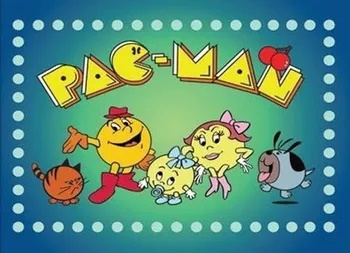
In sillier news, at the Hollywood Reporter, Mia Galuppo tells us that Bandai Namco is trying to get a Pac-Man movie made. Pac-Man’s relationship with media has been a strange journey. In Japan it originally didn’t do especially well, but in the U.S. it quickly set arcade cabinet sales records, partly due to the stewardship and marketing acumen of U.S. licensee Bally-Midway. They commissioned several sequels that were unauthorized by original creator Namco, most of which have been stricken from the records, except, for a time, Ms. Pac-Man, created by GCC as a hack of the original game that would go on to eventually surpass it in lifetime sales. Namco would in turn adapt several aspects of the Pac-Man expanded universe for their own use, notably Ms. Pac and aspects of the first Pac-Man TV show, a pretty dumb cartoon made by Hanna-Barbera back in the period where they’d adapt anything for a buck. Namco made Pac-Land, an important early scrolling platformer, using the characters, music, and art style from that cartoon. In recent years rights issues have caused Bandai-Namco to reject Ms. Pac-Man too, creating a rights-unencumbered replacement character called “Pac-Mom,” which presumably will feature in this movie. All of this is just to demonstrate to you how incredibly twisted and fraught Pac-media has become, and I haven’t even gotten into the second TV show, Pac-Man and the Ghostly Adventures, which I’d rather not discuss. I will note, however, that because of Pac-Man’s inclusion as a character in Smash Bros. 4 and Ultimate, the first Pac-Man cartoon show in some small way lives on in Smash Bros’ Pac-Land stage.
Hamish Hector at TechRadar (that’s a different site from GamesRadar, right?) writes that there’s never been a worse time to buy an Oculus Quest 2. Considering that dumps more money into the hated trough of Zuckerberg, I can’t think that there’s ever been a good time.
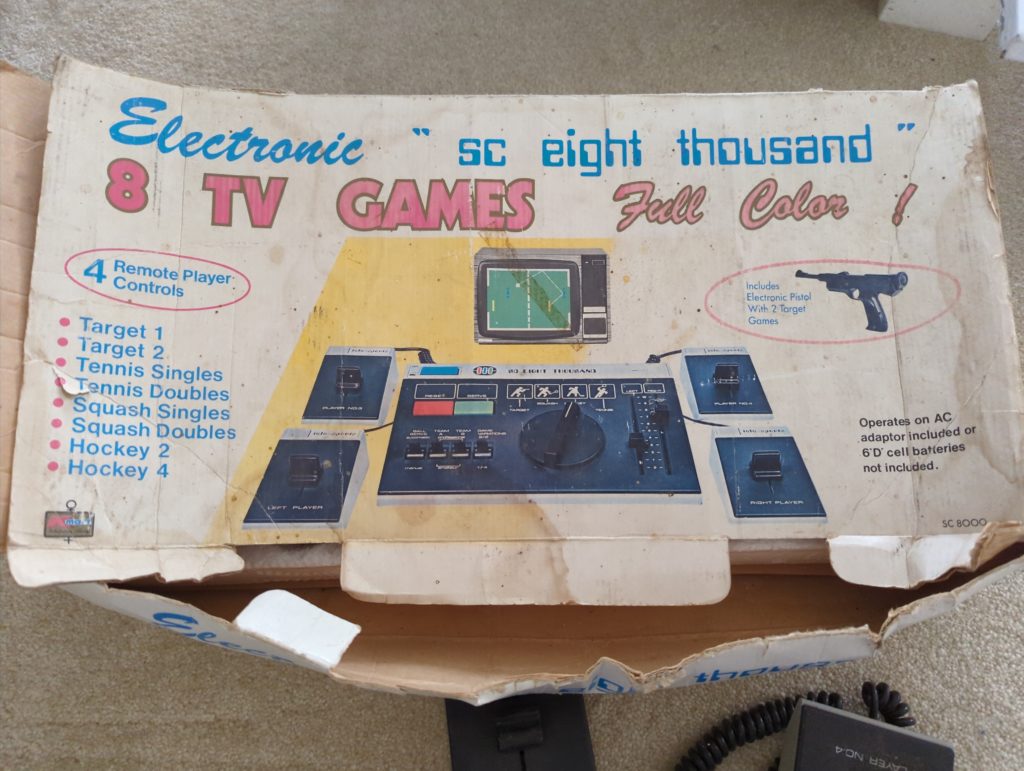
Image, from Old Vintage Computing, of the box from one of the MOS 7600/1 systems
Jenny List at Hack-A-Day points to a long and interesting post by Cameron Kaiser on good ol’ Blogger blog Old Vintage Computing about MOS Technology’s early entries into the Pong system-on-a-chip market, the MOS 7600 and 7601, which were programmable, meaning, they could run code, and systems that used them. It makes for fascinating reading to my gelatinous brain.