Mega Q*Bert

I had thought about doing this as part of a Romhack Thursday, but I didn’t get it together in time for yesterday. And anyway, it’s not a hack of another game, but a homebrew title for the Genesis/Mega Drive. And it’s quite good!

While it has a recreation of the original Q*bert, the main attraction to Mega Q*bert is Mega Mode, which adds a lot of new elements to the game. It takes inspiration, not just from arcade Q*bert, but from Konami’s Q*bert for NES and the underrated Q*bert 3 for SNES. It even borrows bits of Q*bert creator Jeff Davis’ own unreleased arcade sequel, Faster Harder More Challenging Q*bert: Q*bertha returns from that game, a chaser character that can change cube colors herself. Later on, as in FHMCQ, that are levels where Slick and Sam change cubes to an unsolvable color, and only Q*bertha can return them to play.

Some other new elements, joining the balls and baddies of the arcade games:

  • The Red Balls have tiny fast and huge slow versions, they behave the same but the difference in timing makes them tricky. Along with them are “Stop and Go” balls, which change speed.
  • There’s new purple octopus enemies that generally fall down the pyramid, but can meander unpredictably, including up and sideways.
  • A relative of Slick and Sam shows up later on, who in addition to wrecking your work can skip cubes on the way down, including jumping right over your head.

There’s also static disks that can be reused (a borrowing from Q*bert 3), disassociated playfields that disks must be used to travel between, cubes that can only be left in certain directions, one-hop cubes that disappear when landed on (and provide an alternate way of tricking Coily to its doom), and more. And there’s a two-player co-op mode too!

I won’t say it always has the best design. I’ve found at least one situation where the one-hop cubes can make a level unsolvable unless you lose a life, which resets them. And the way the balls move make some routes very difficult to ascend, due to their frequent tumbling down and blocking narrow paths. But these challenges, once you’re aware of them, can be overcome, and the game has passwords for every level anyway. If you like the original game, you’re sure to have a good time with Mega Q*bert.

Here is a full playthrough by its creator Jaklub. It’s pretty long (2 hours, 9 minutes)!

Mega Q*bert (rom for Genesis/Mega Drive by Jaklub, free download)

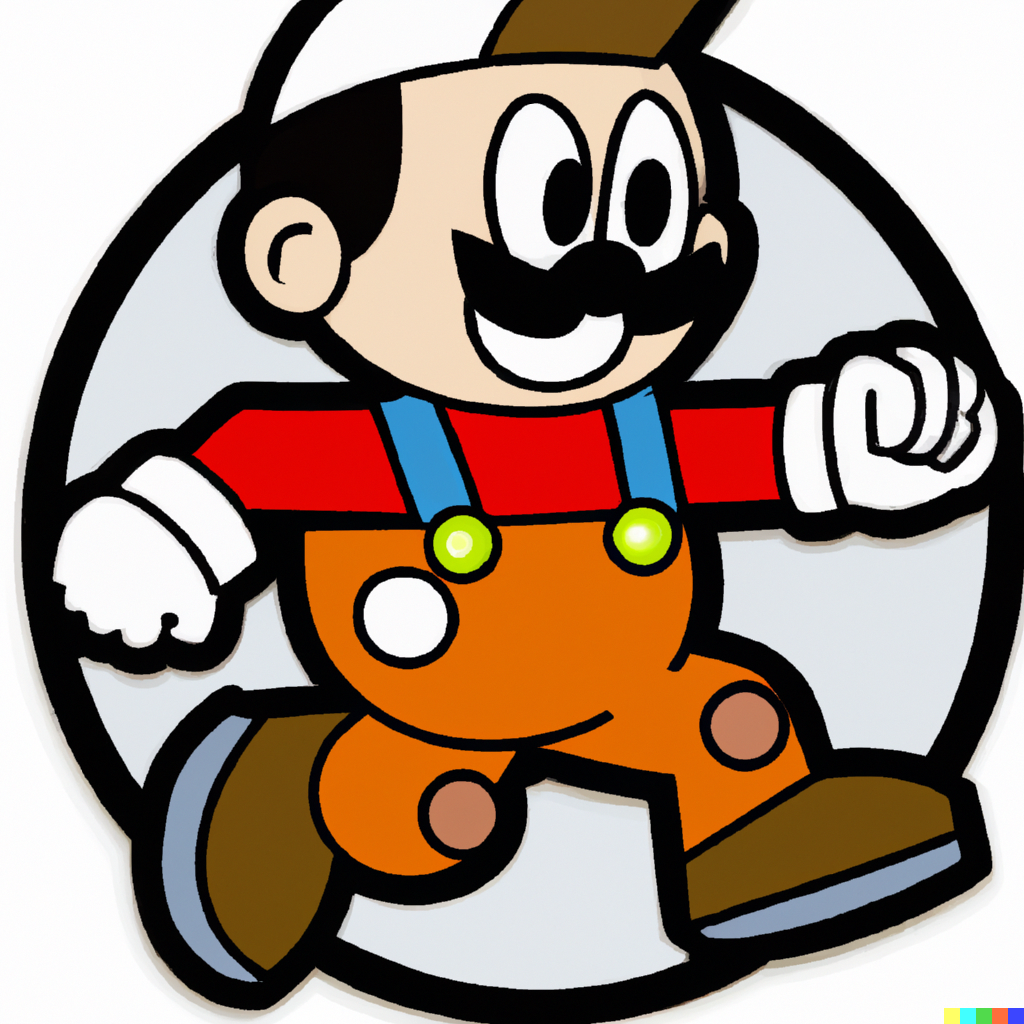
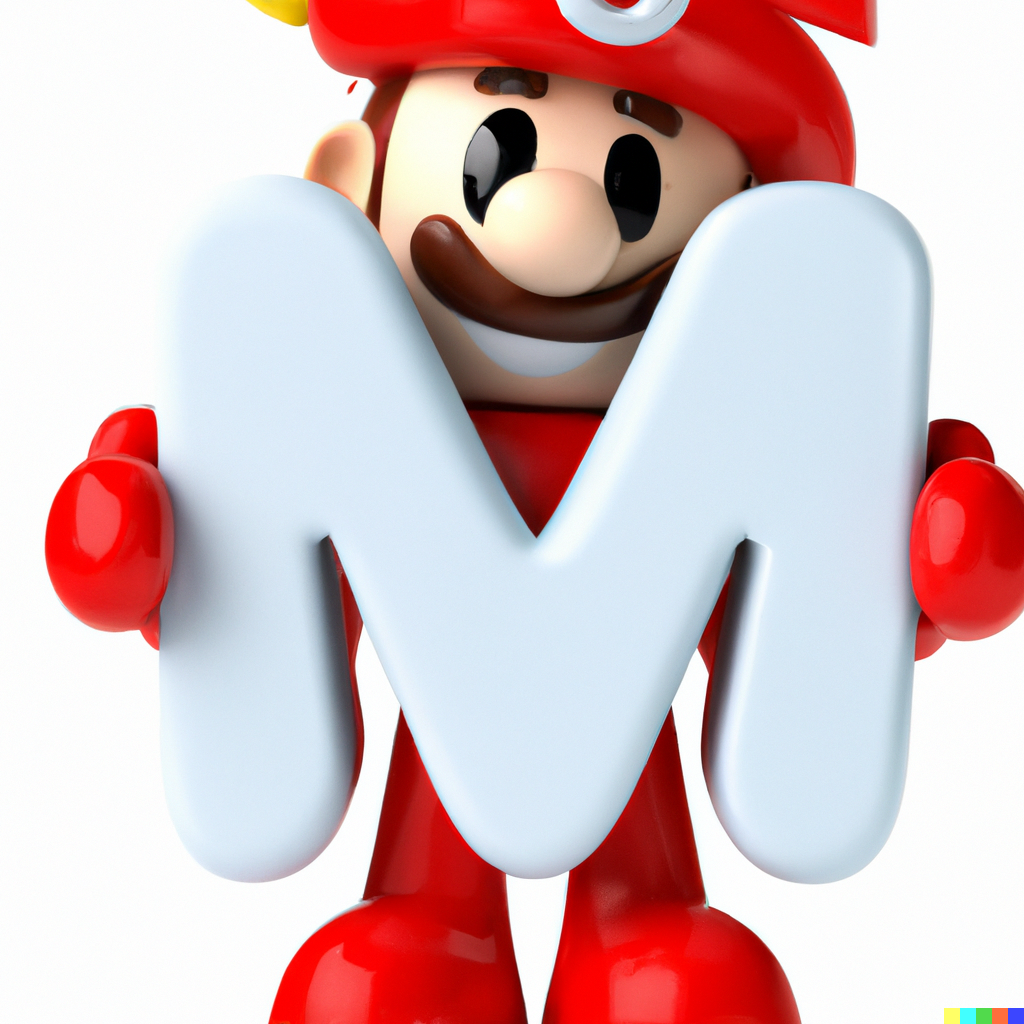
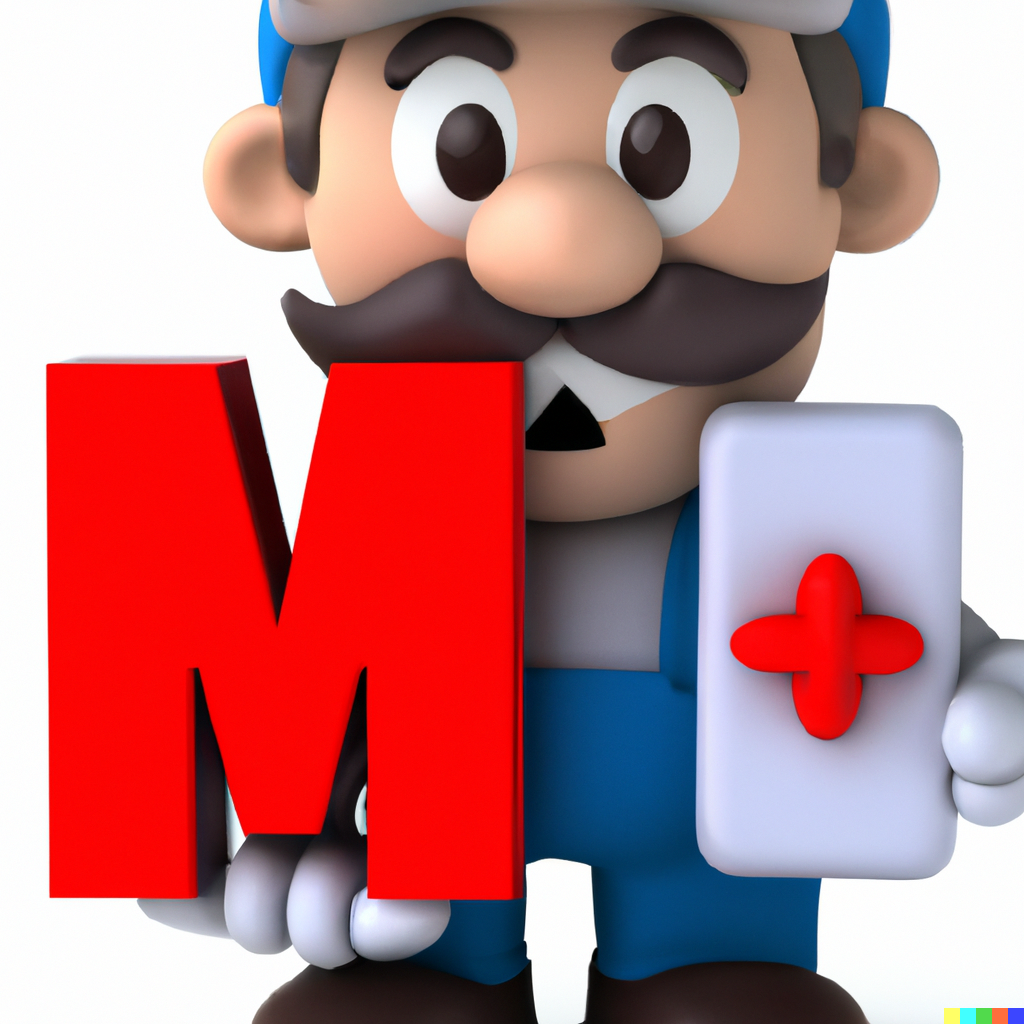
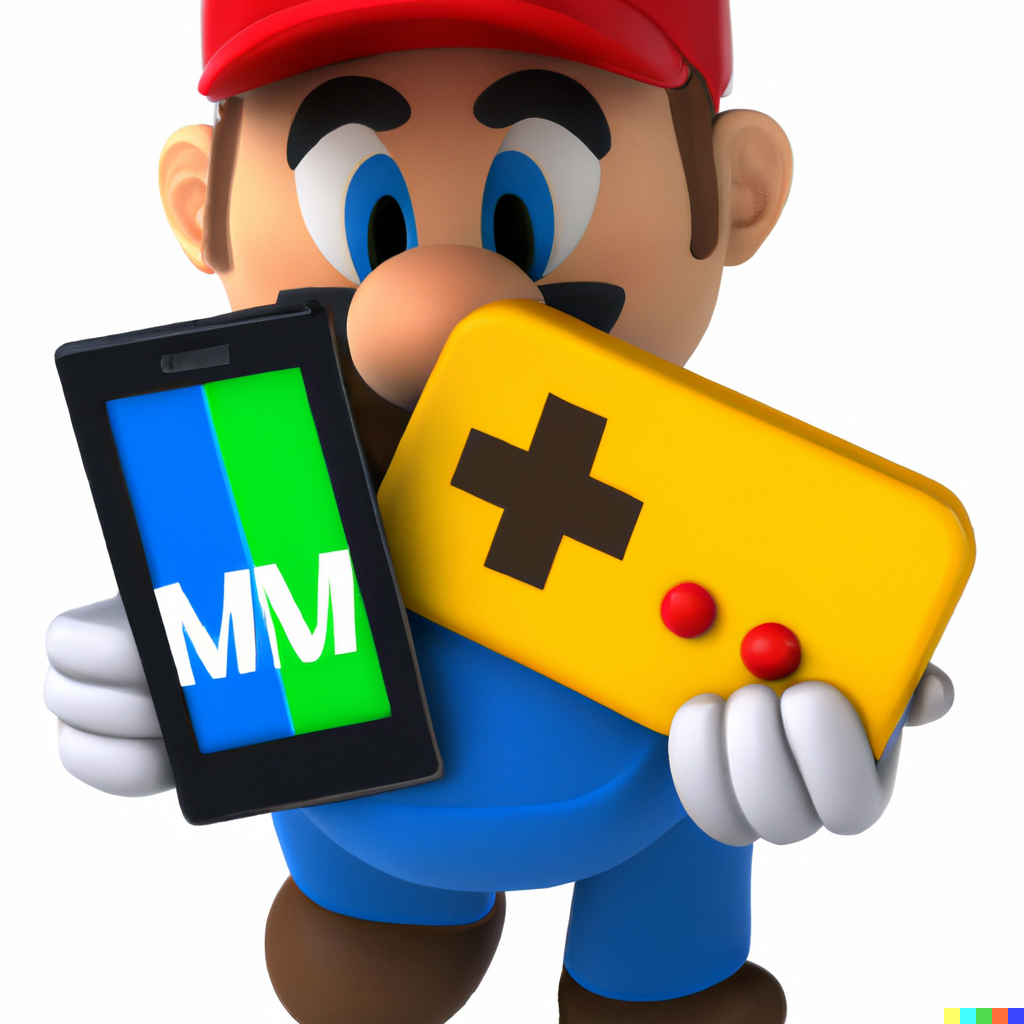
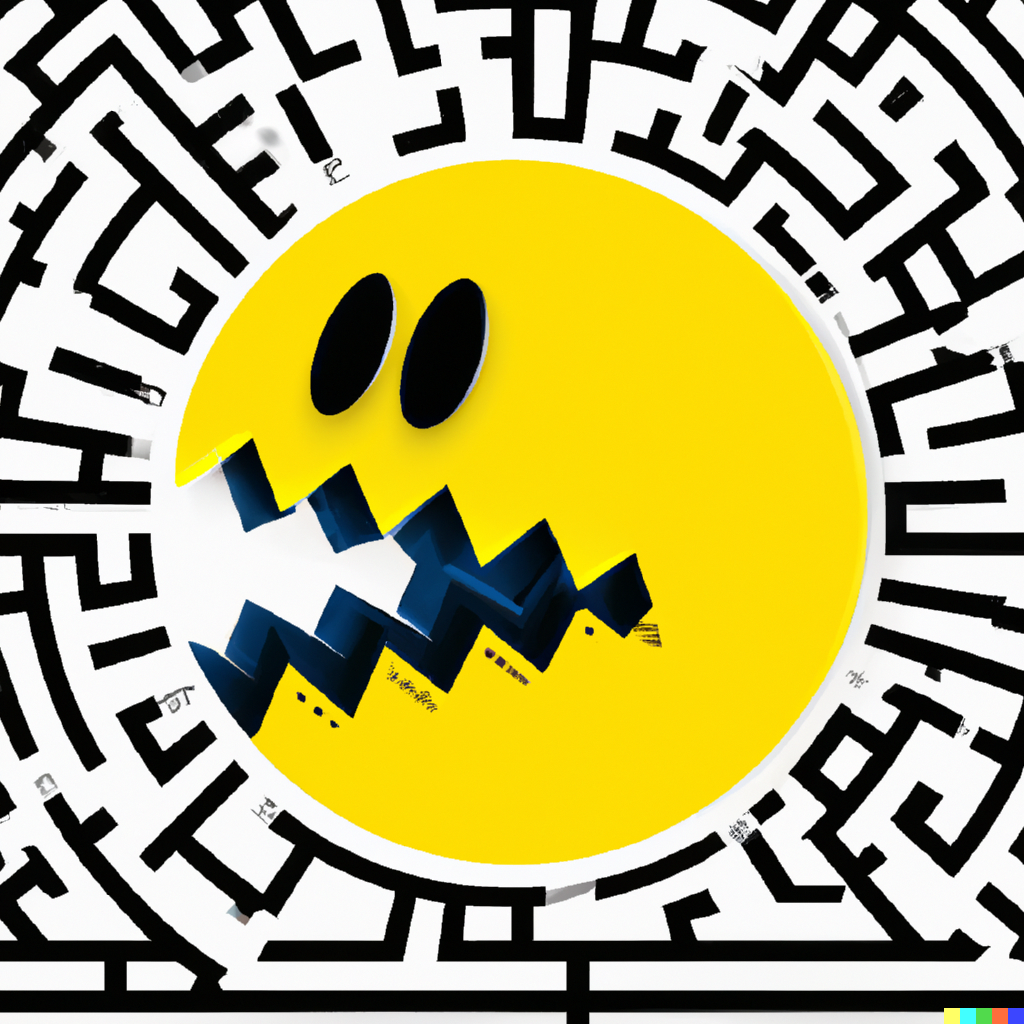
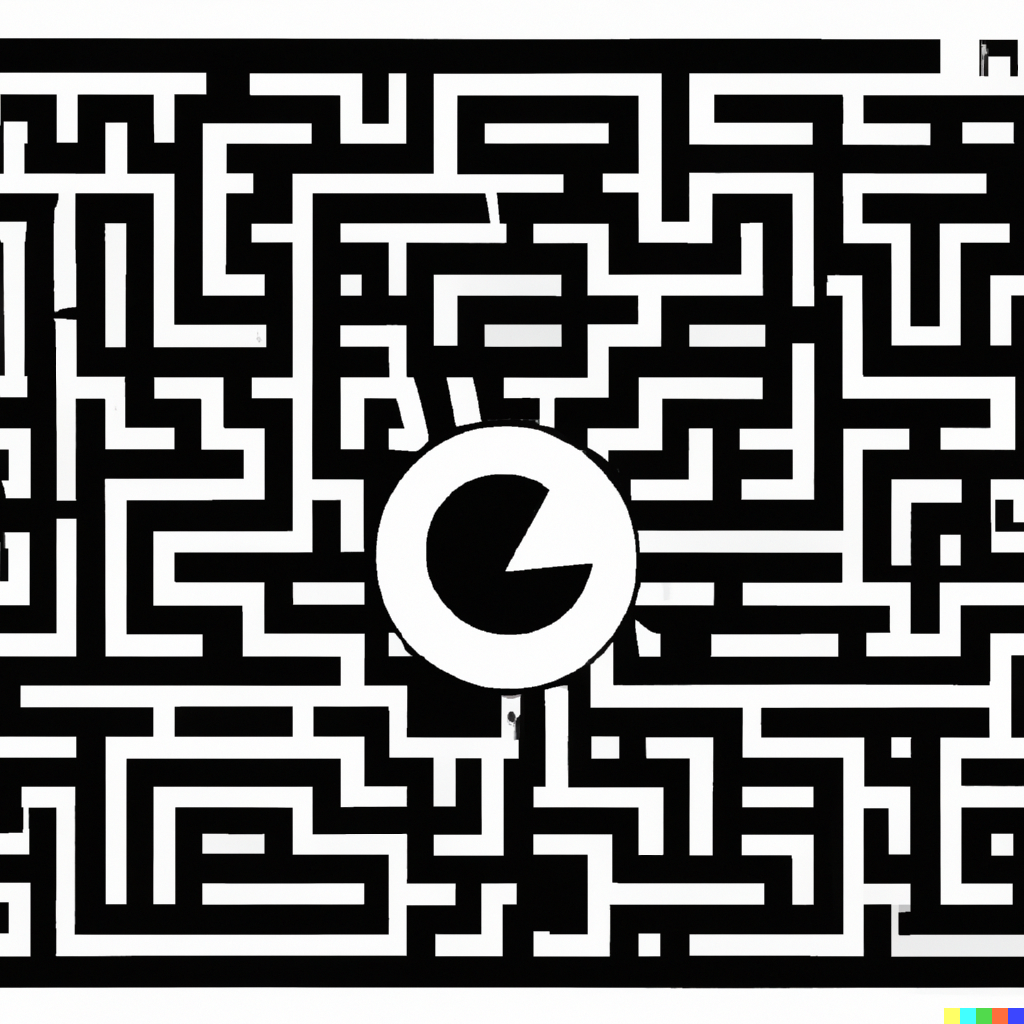
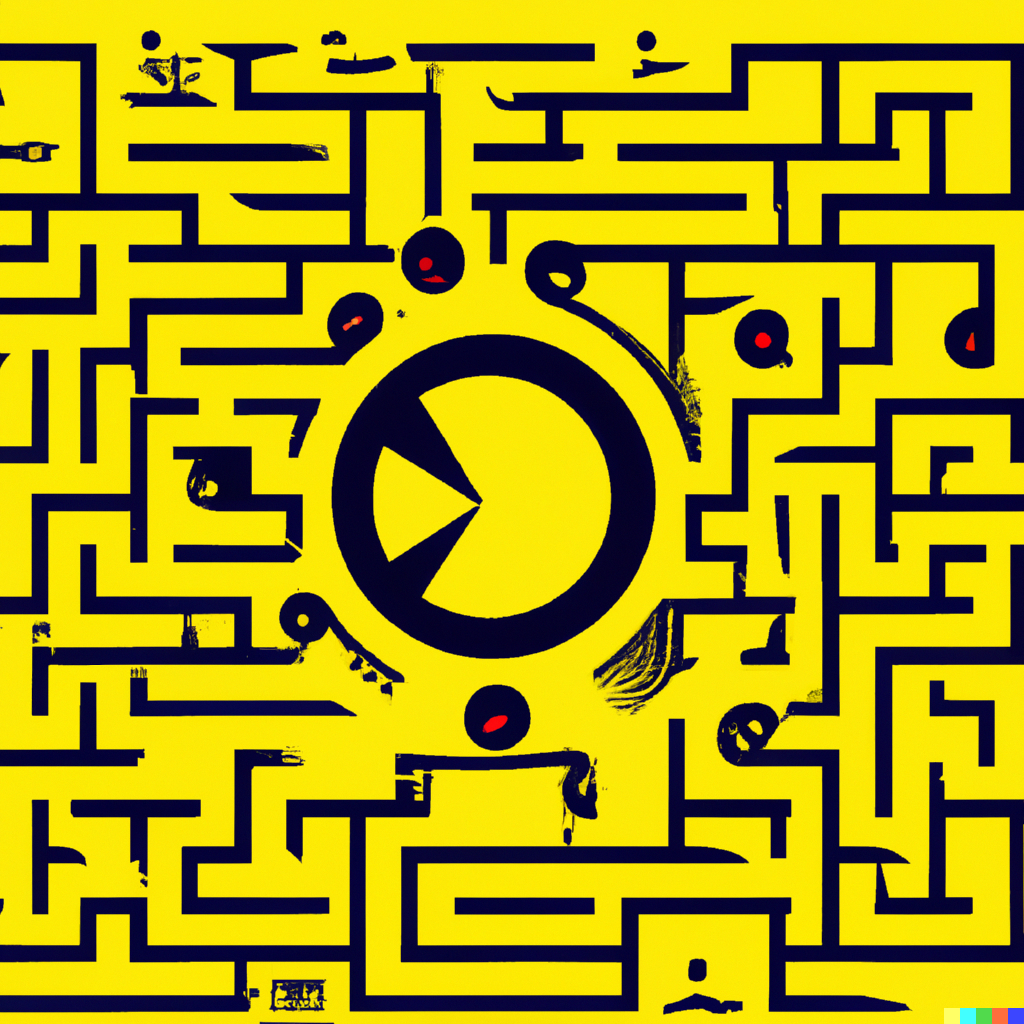
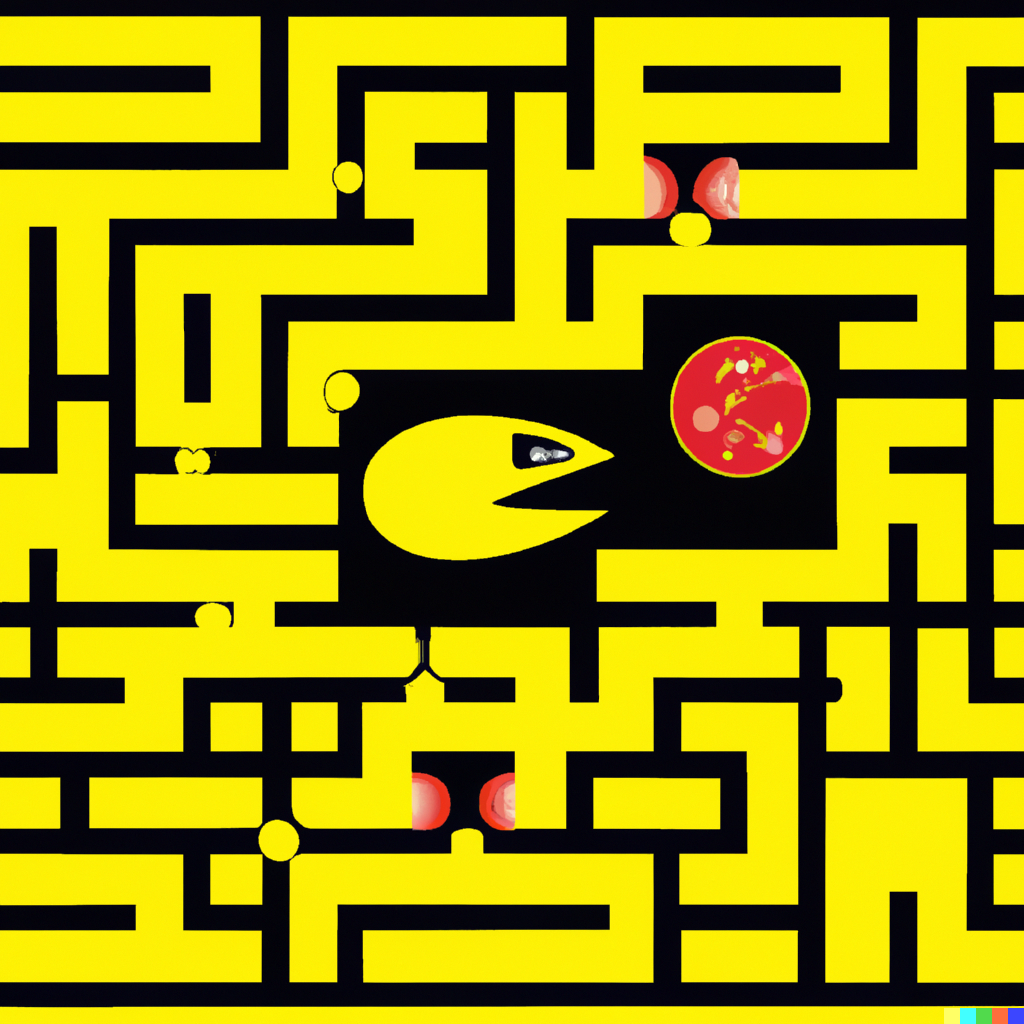
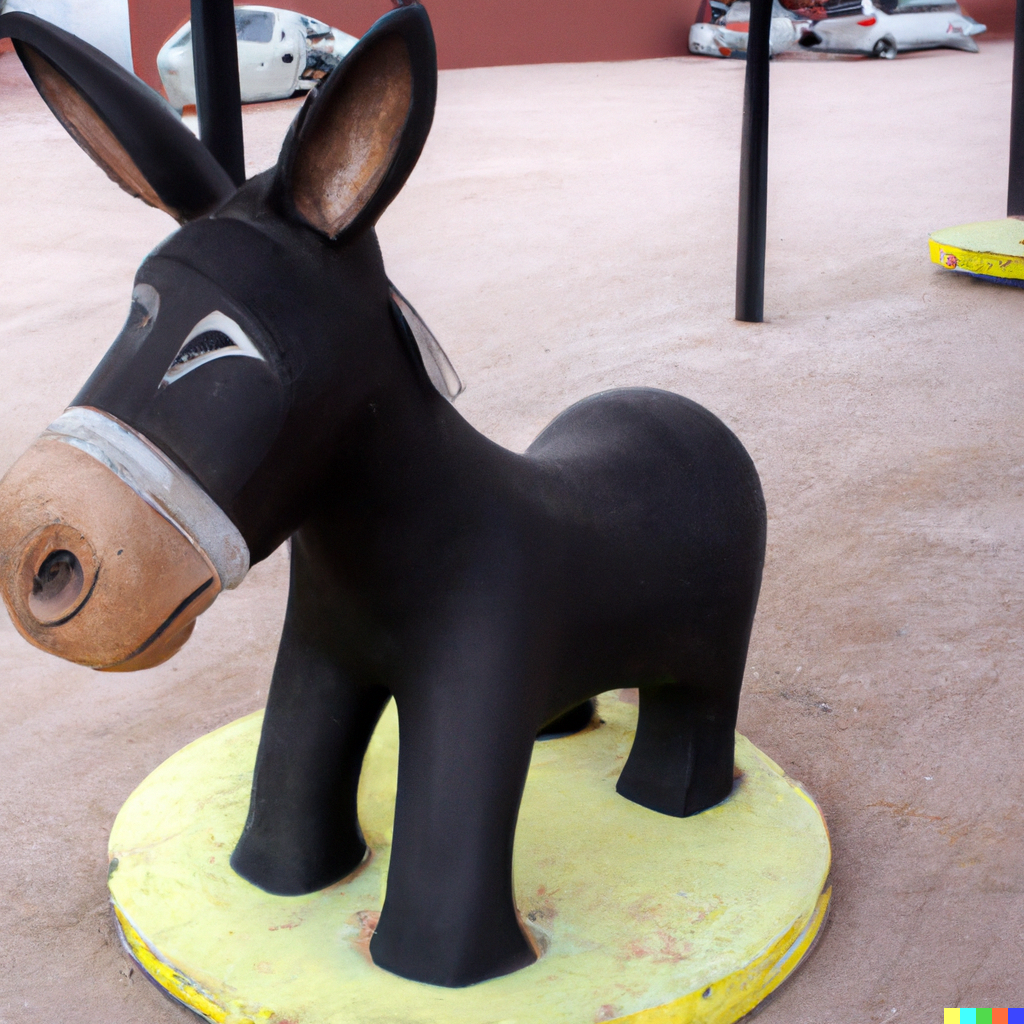
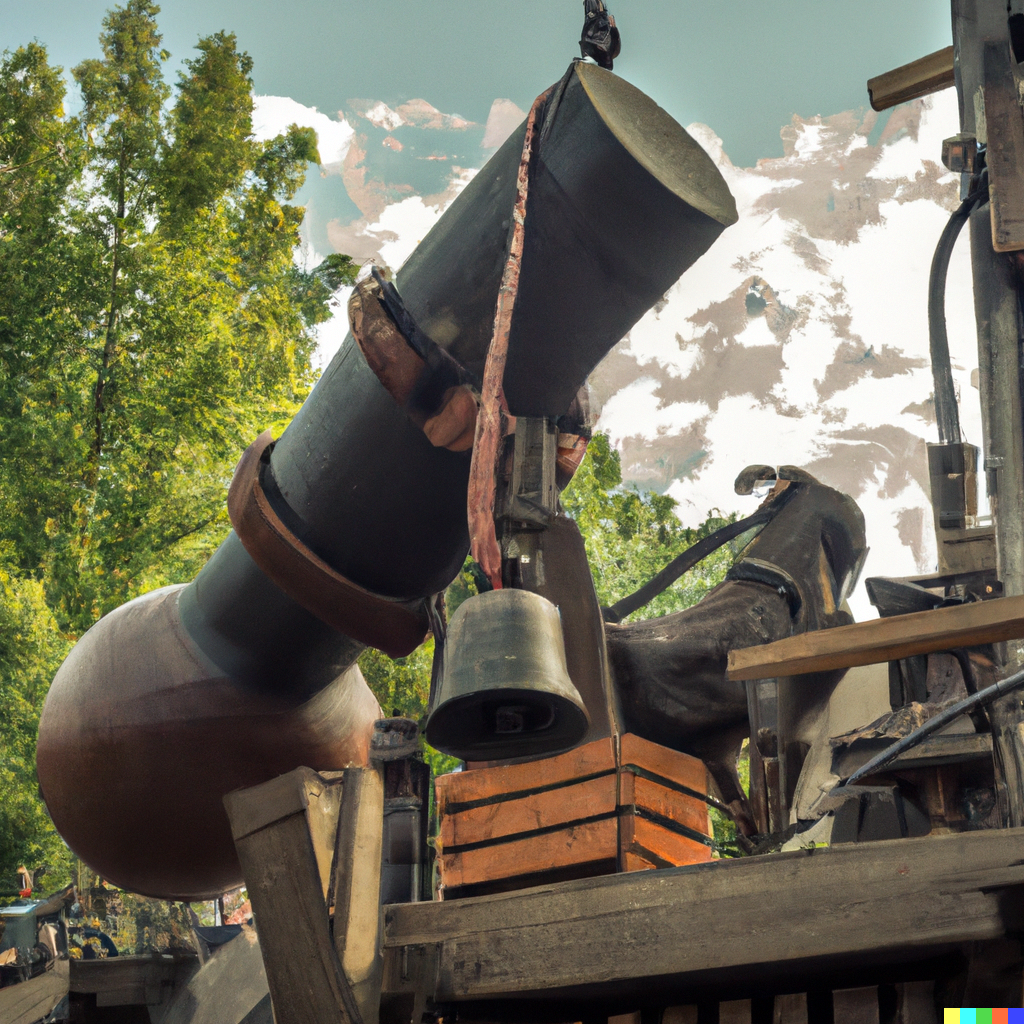
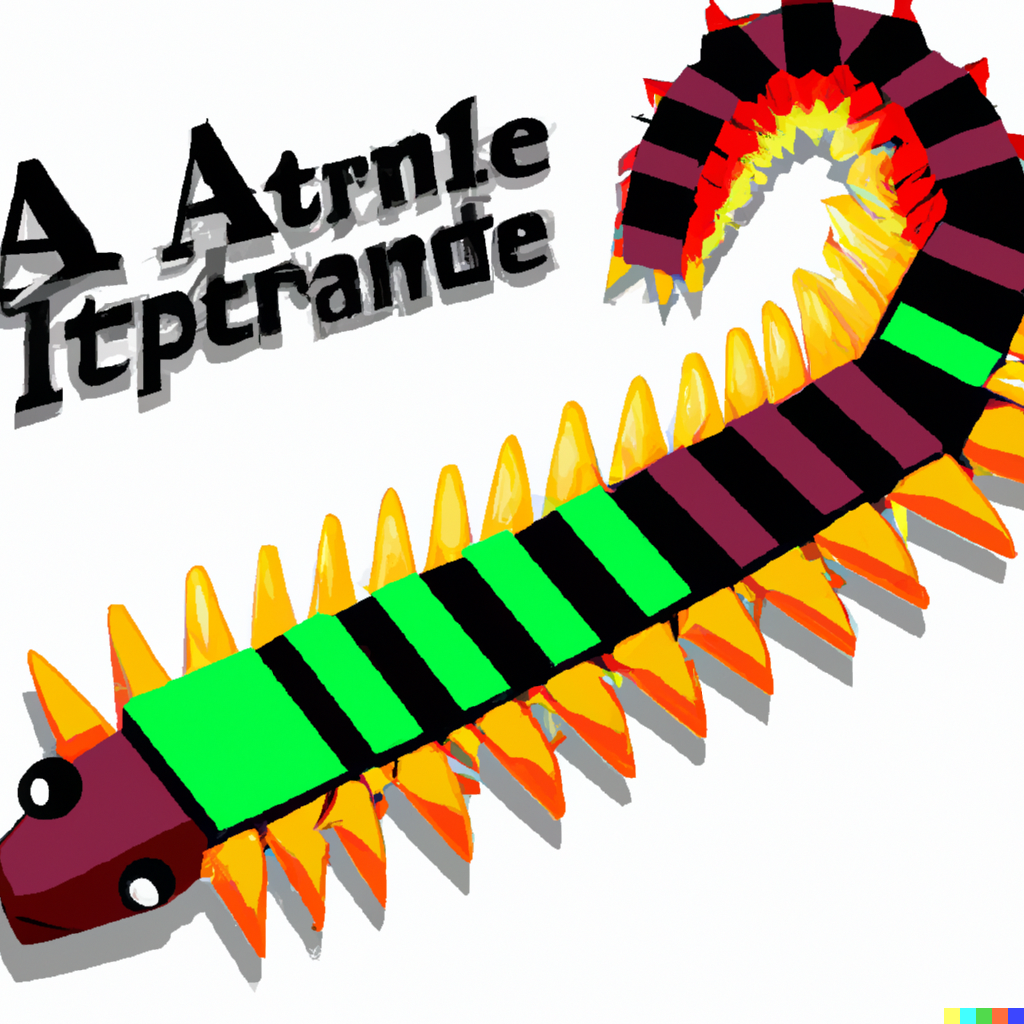
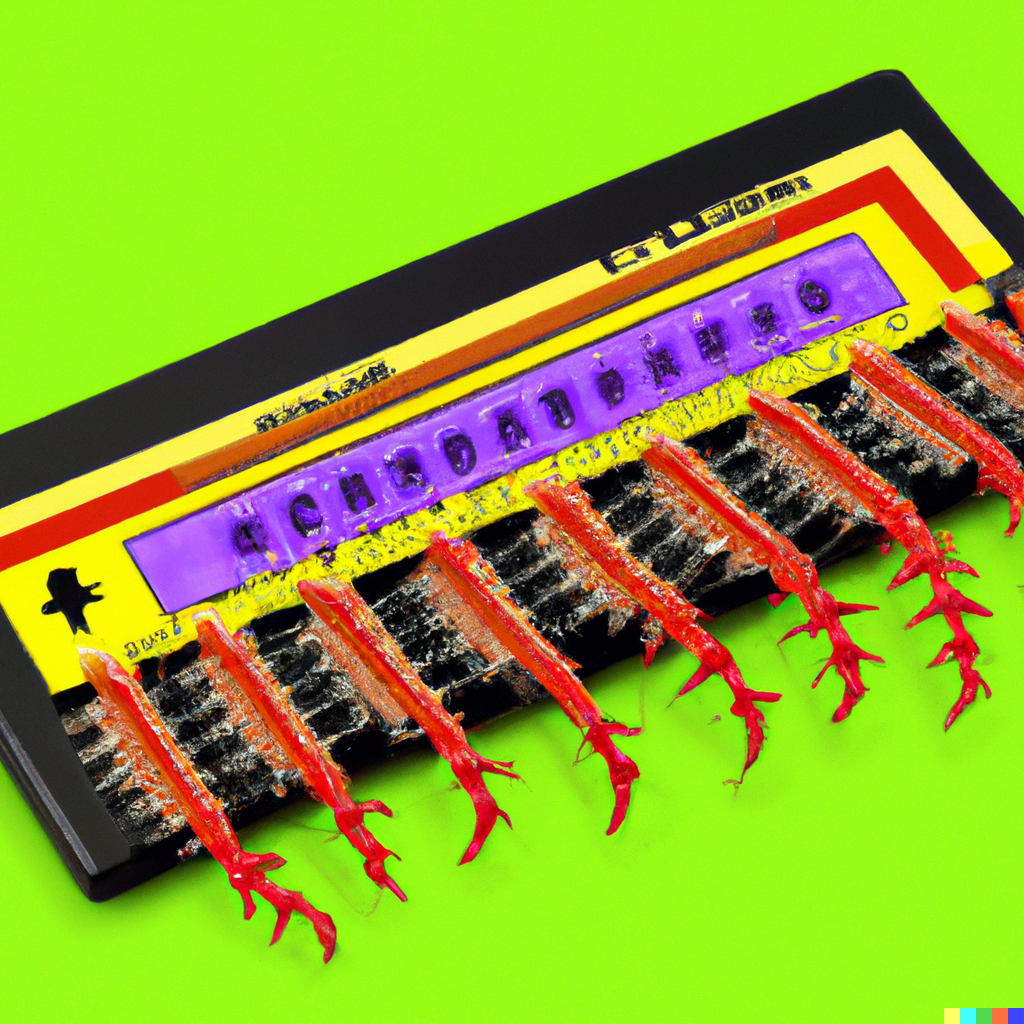
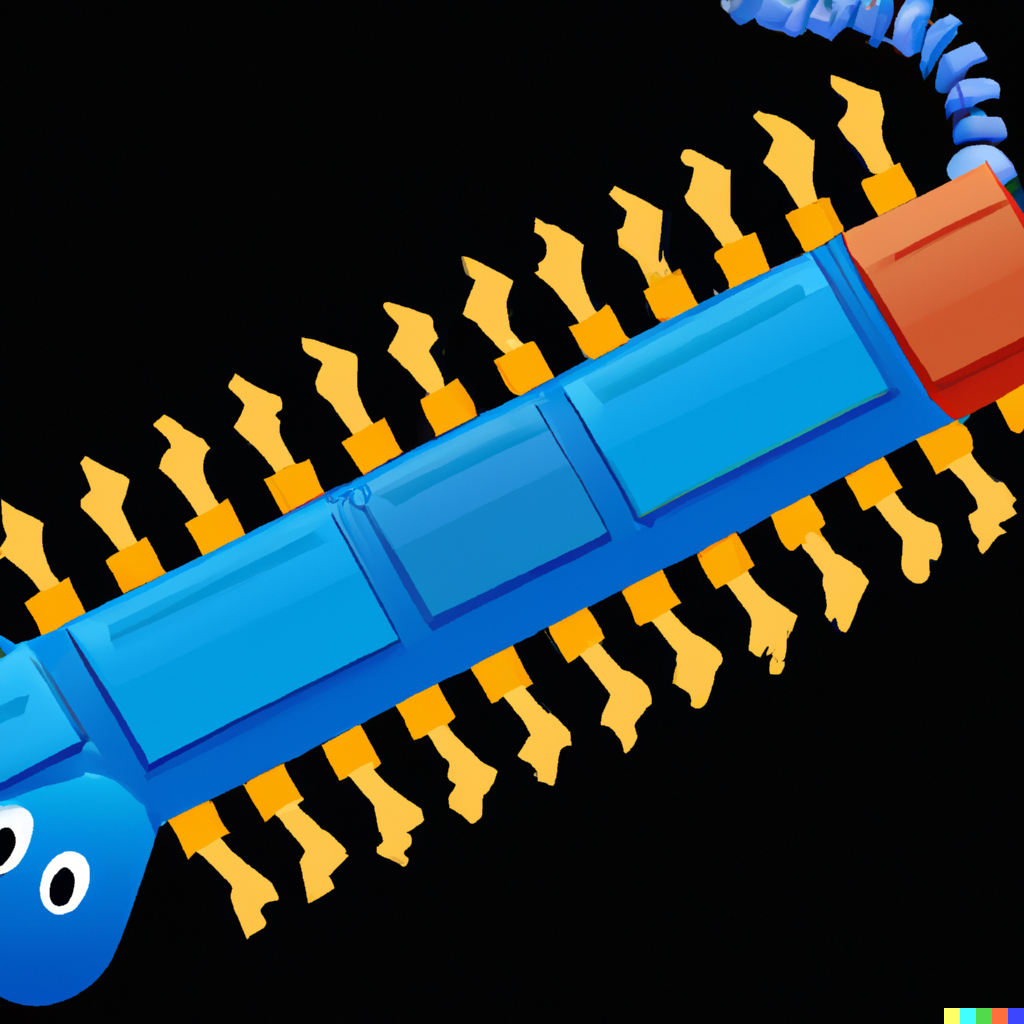
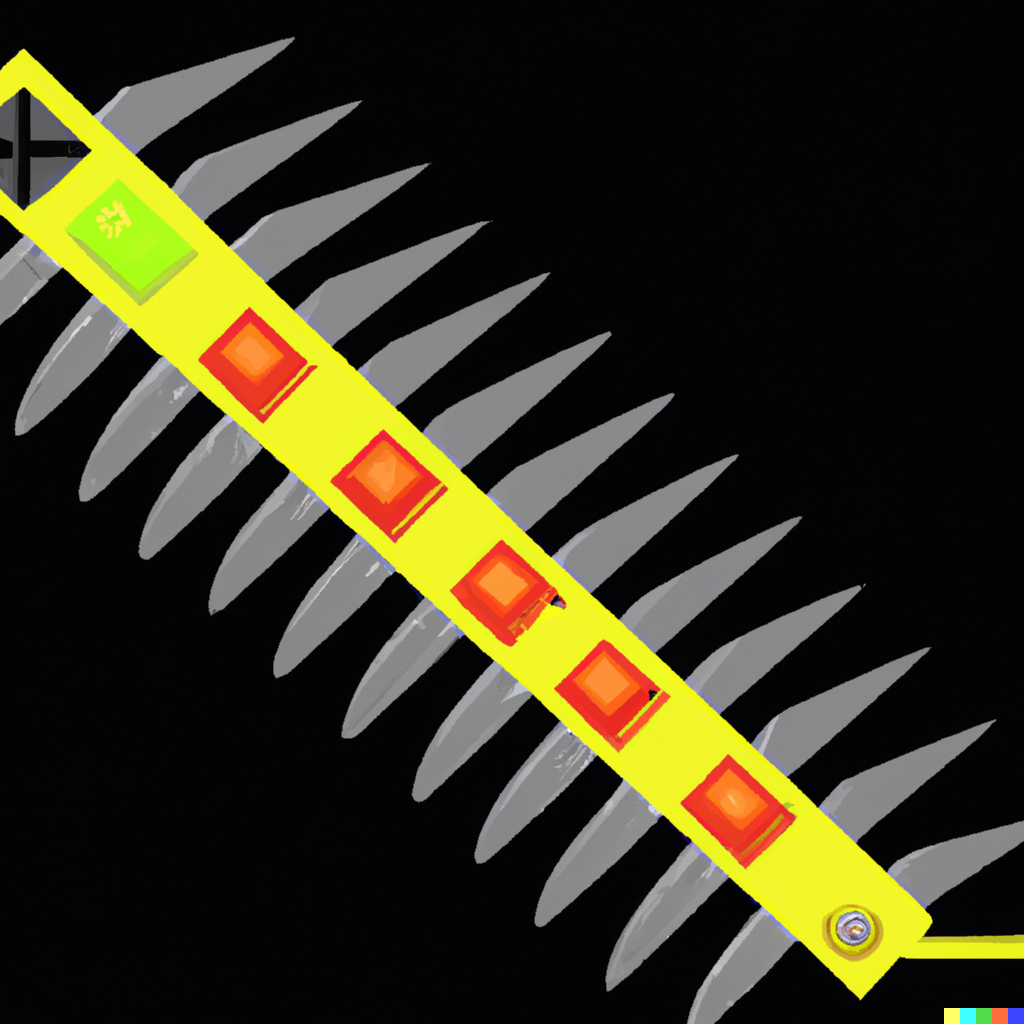
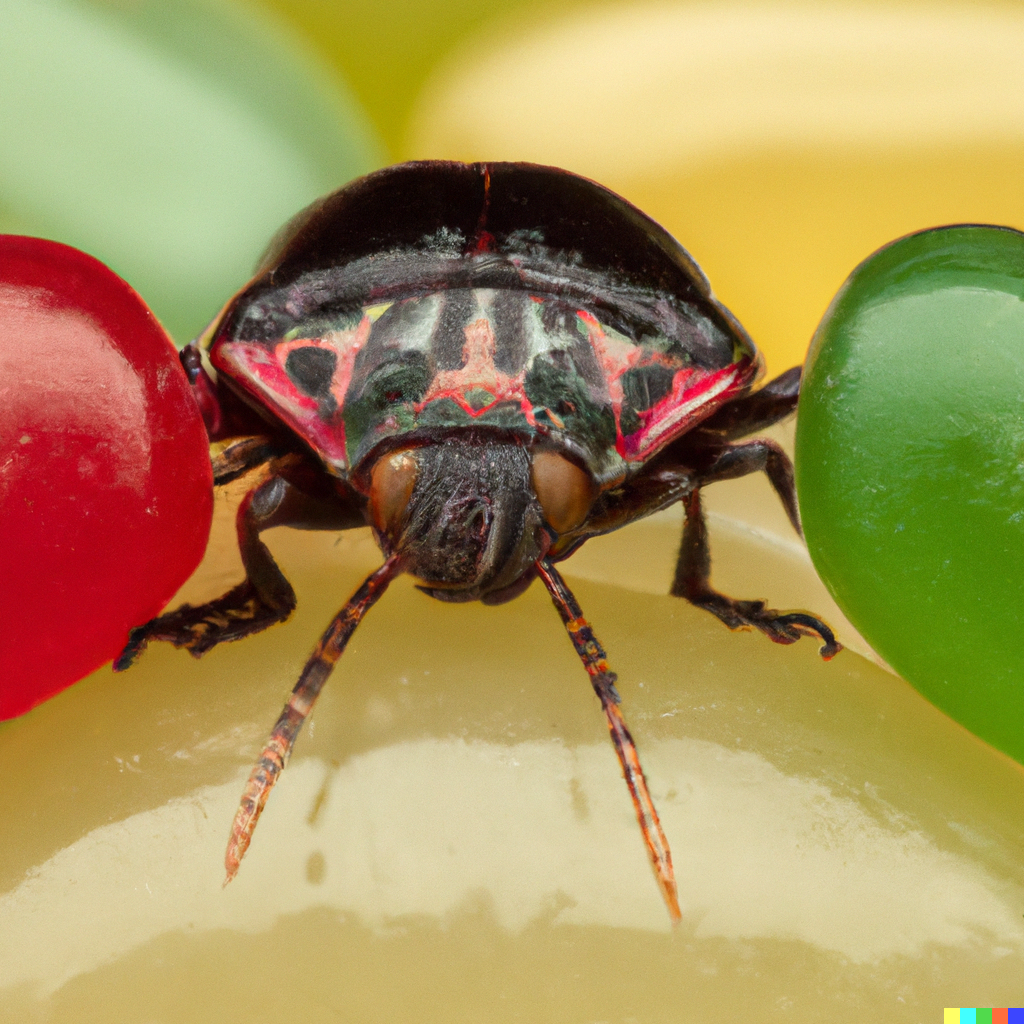
Dall-E Sucks At Drawing Most Classic Video Game Characters

I had originally scheduled a post on this for a couple of weeks ago, but WordPress gained what I will euphemistically call a personality at that time, and the post developed a “critical error” whenever I tried to edit or view it. I kept pushing it back in the hopes of being able to figure out what was the trouble, but the trouble refused to be be figured out. So eventually I just remade the post.

Whether it’s intentional or not, if you ask Dall-E to depict a number of classic video game characters or elements, it’ll show itself to be surprisingly clueless. Here’s what I got from it:

Sundry Sunday: The first episode of Saturday Supercade

This is a real rarity. Saturday Supercade has, to my knowledge, never been officially released on any media format. All of the tapes of this show date back to their original broadcasts in 1983-5. I’m sorry for the poor quality, but this is from a tape almost certainly recorded off of live television nearly 40 years ago.

The year 1983 was such a weird time in media history. Take for instance the movie Joysticks. A cheaply-made culture cash-in, essentially the Supervan of its decade, it was a teen sex comedy themed around arcades, and it could only have been released in 1983. In 1982 games were big, but it takes time for a movie to be made. In 1984, US arcades and consoles had crashed calamitously, and any projects in production would have been cancelled. Saturday Supercade also dates from 1983.

Saturday Supercade was a Saturday morning cartoon show that hosted a variety of different game characters and universes. By no means a classic of animation, there’s still a lot of interesting things about it. Donkey Kong gives Mario and Pauline their modern names (decided on around the time of Donkey Kong Jr’s arcade release), and Donkey Kong is voiced by legendary early TV children’s entertainer Soupy Sales.

Frogger is depicted by the show as a reporter for a swamp’s newspaper. Q*Bert is a student in a 50s-styled high school, and other characters (including a girl Q*Bert, “Q*Tee,” not seen in the game) are imagined as his friends and rivals. Donkey Kong Jr has the young ape searching for his father, while assisted by a greaser. Pitfall’s cartoon is not only the sole home-original game to be featured on the show, but also lent two of its characters, Pitfall Harry’s niece Rhonda and mountain lion pet Quickclaw, to cameo roles in the game’s sequel Pitfall II: Lost Caverns. Kangaroo and Space Ace were introduced in the show’s second season. Yes, somehow, it got a second season.

The Wikipedia page of the show notes that episodes of Space Ace were once shown late at night on Cartoon Network, and once in a while can be spotted between shows on Boomerang, while “The Best of Q*Bert” is available as a print-on-demand DVD from Amazon. Other than that, many episodes are lost outside of master reels held by whatever company owns Ruby-Spears’ output these days, which I expect is Warner Media. There’s tons of Saturday Morning shows that are lost; this one only survives to us in any form because classic video games have oddly persisted in this weird cultural cul-de-sac, the same one that made Wreck-It-Ralph an improbably hit for Disney.

So please, enjoy, or else, experience whatever substitute for enjoyment you can bring yourself to feel while watching an old old kids cartoon from the classic arcade era. Queasiness? Unease? Existential dread?

Q*Bert Postmortem

No, Q*bert hasn’t died! Well except in the usual sense sometimes of being pounced upon by a big purple snake or plummeting from a pyramid with a characteristic @!#?@! Instead, their game’s designer and programmer Warren Davis did a talk about the game’s creation for GDC!

You can find out:

  • The origins of the cube graphics and the characters
  • The story behind the game’s name
  • What Warren Davis said aloud during the unveiling of Gottlieb’s new company name Mylstar!