The Bad Game Hall of Fame Covers Sonic Jam: Game.com Version

The world is full of traps for the unwary. There’s a whole genre of movie, mockbusters, that exists purely to try to catch people who are only vaguely familiar with some media property, and they make enough money that by cutting their costs extremely thin they can be profitable. Mobile app stores are full of games that try to trick people in a similar way, making themselves look as closely to some popular game as they can get without becoming legally actionable.
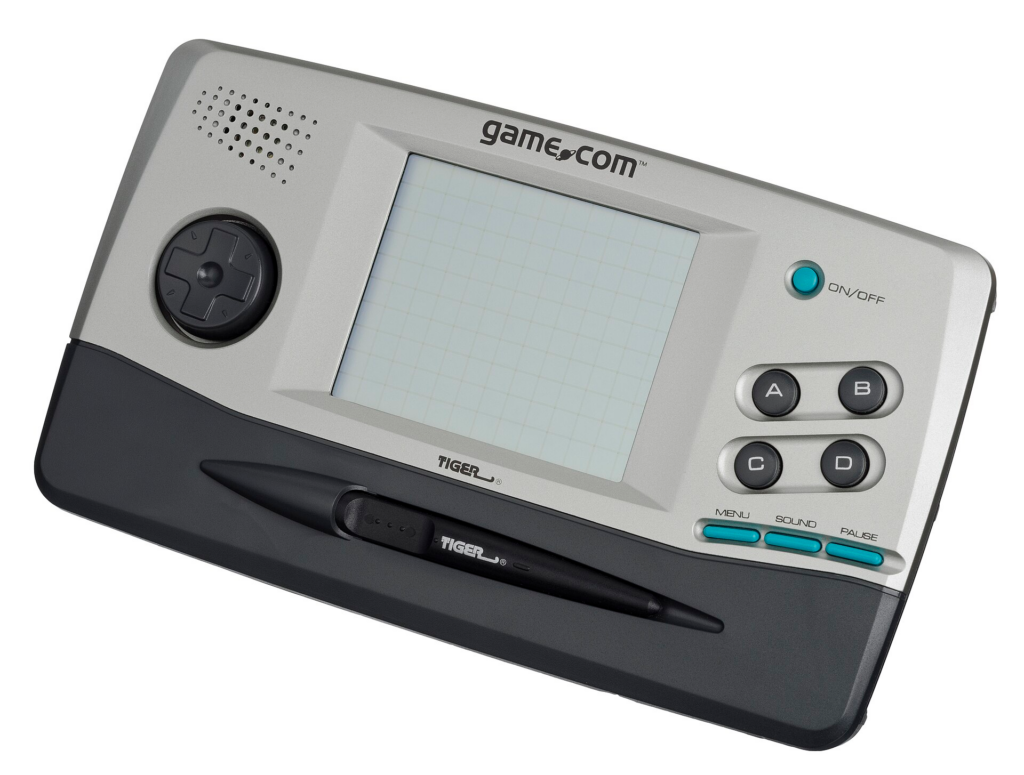
Let us all spare a thought for the poor kids who opened up a bright package on Christmas Day to find this. (Image from Wikipedia)

A similar kind of trap was the Game.com, Tiger Electronics’ bid to compete with the Game Boy. It made a kind of sense, sure. Nintendo got into portable gaming with the Game & Watch series, from there spreading into a more flexible system with replaceable cartridges. Tiger made Game & Watch-style LCD games too, so why couldn’t they do the same thing?

Thing is, Tiger was doing this through most of the 1990s! They kept their costs and prices down and managed to make them profitable by just putting out the most barest games possible, Game & Watch-like LCD games in the era of the Sony Playstation. (Ernie Smith at the excellent blog Tedium wondered at their success too.)

Tiger released their Game Boy competitor, Game.com, in September 1997. It was absurdly cheap at $30, but at that time a Game Boy Pocket was only a little more expensive at $55. I think it’s safe to say the only people who were buying up Game.com devices were extremely low information buyers. But they found 300,000 such buyers. I expect a majority of them were grandparents.

Surprise! Your birthday has been ruined!

So, what were those lucky enough to get a Game.com in for? The system got a total of 21 games. One of its games was Sonic Jam. The website Bad Game Hall of Fame had a look at it, and it was quite the thing. I call it a thing because it barely qualifies as a game.

It was named after a Saturn release of the Genesis Sonic the Hedgehog games, and claimed to have Sonics 2, 3 and “and Knuckles,” but not only were all the games strained through the Game.com’s small monochrome screen, they all were drastically cut down. Each has only one level! And it’s barely playable at that!
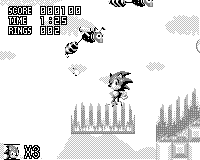
I’m loving the optimism of that six digit score counter. Screenshot from Mobygames.

Bad Game Hall of Fame did a general retrospective on the Game.com. I personally love terrible janky systems like this, but it’s not because I think they’re secretly good, it’s because, like the mockbuster output of The Asylum, I think they’re hilarious. But I’m not laughing at the kids who were expecting a Game Boy but ended up with this instead.

These days Tiger Electronics exists, as many other game companies from past decades like Milton-Bradley, Parker Brothers, Avalon Hill and Wizards of the Coast, as merely one organ out of the many that comprise the grotesque Frankenstein’s Monster of Hasbro, Inc. Hasbro paid $335 million dollars for them, possibly because they saw something in their then-new Furby product. Nowadays I don’t think Tiger’s name is being applied to any current products, and that’s probably for the best.

Bad Game Hall of Game: Sword of Sodan

Bad Game Hall of Game is an interesting blog that talks about failed titles without the snark with which they were usually treated in the early days of the Web, or the rancor of The Angry Video Game Nerd. Snark and furor drive hits, of course, so I can respect the desire to give games many regard as kusoge their due, whatever that may be.

When you know it? It’s simple.
When you don’t? It’s unfair.

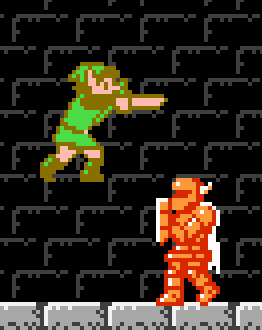
Truthfully, there are lots of games that are perceived as bad that aren’t really so terrible, often due to the audience-chasing bile emitted by folk like Seanbaby and Something Awful. Games intended to be played for challenge, especially those from arcades and the earlier years of consoles, are kind of a pastime for masochists. When you lose, it often feels like it’s not your fault, but was it really? Was that hit telegraphed and avoidable? Was there some clever technique to be discovered, like jumping and slicing through an Ironknuckle’s helmet in Zelda II, that makes seemingly impossible enemies a simple matter to defeat? And when a game is intended to be played many times, not shattered in a single session but returned to many times, getting a bit further each time, isn’t it supposed to be a good thing that you may lose your first time out?

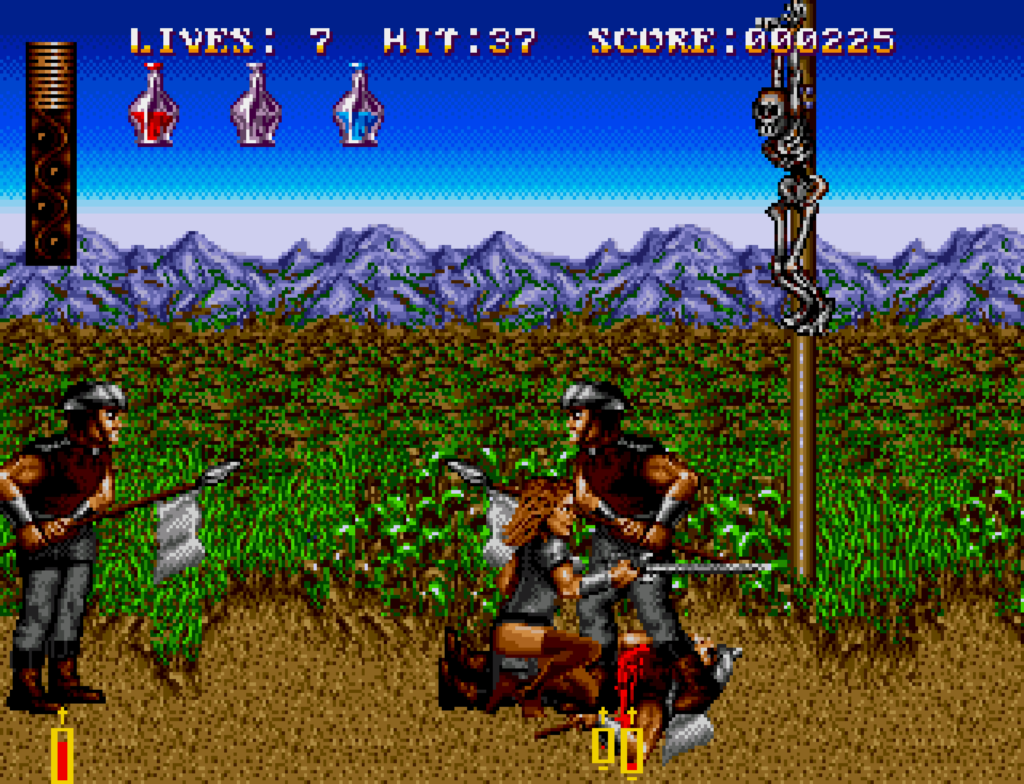
I took these screenshots myself for this post. See what I do for you.

There are lots of armchair game designers, maybe even more than armchair movie directors, since players spend more time with games generally before they put them down, and it’s easier, theoretically at least, to make games yourself without the capital expenditure and outside labor that movies require. (I can tell you though, it’s still plenty hard.) And yet, they are the players, and if they’re not having fun, then the game is doing it wrong. Even if it’s because of some information or training the player hasn’t, in their life, gained, you can’t blame them. Maturity can help a player enjoy games they wouldn’t otherwise. But this is also true of any art form, and the opposite could also be said to be true, there are games where, I’d say, maturity is an outright barrier to enjoyment. It’s complicated. Maybe I’ll talk about this later.

URG URG URG URG AIIEEE

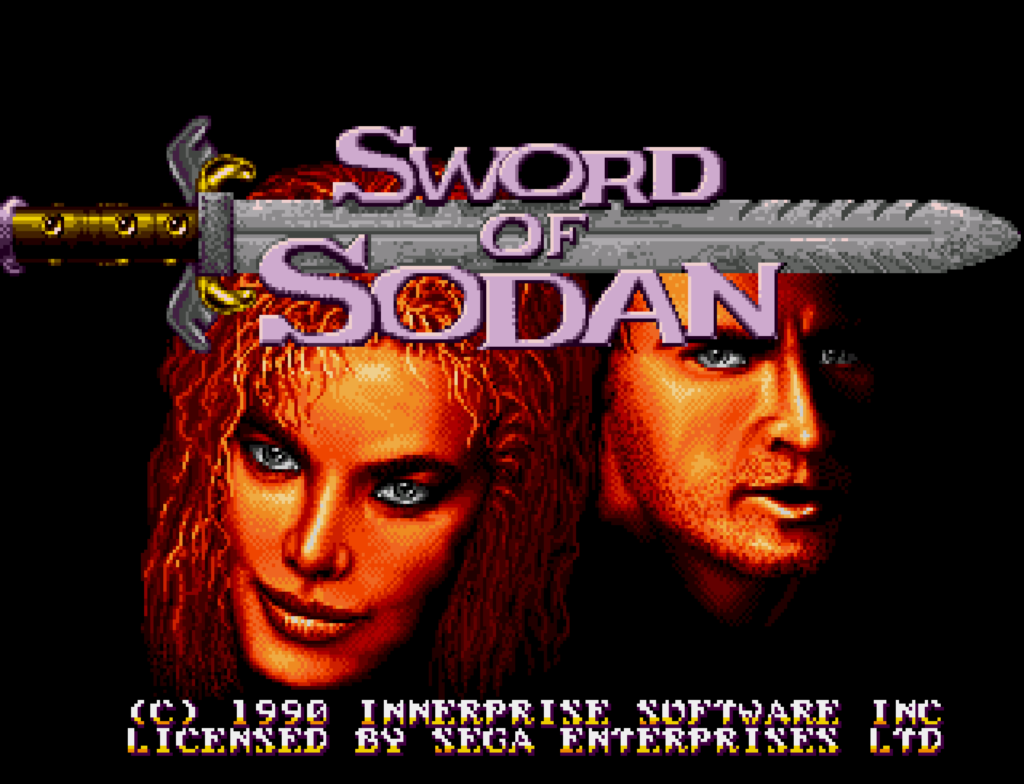
In the article that Bad Game Hall Of Fame talks about that I find interesting today, the game in question is Sword of Sodan, the creation of Finnish demo coder Søren Grønbech, an infamous game with a much longer story behind it than your typical bad game, indeed extremely long. Out of curosity, I pasted BGHoF’s discussion of it into Microsoft Word, and it came up to 67 pages! It’s got two large sets of footnotes, goes back to the Amiga demo scene and gives insight into the difficulties of developing computer games, at the time, in the state of Denmark.

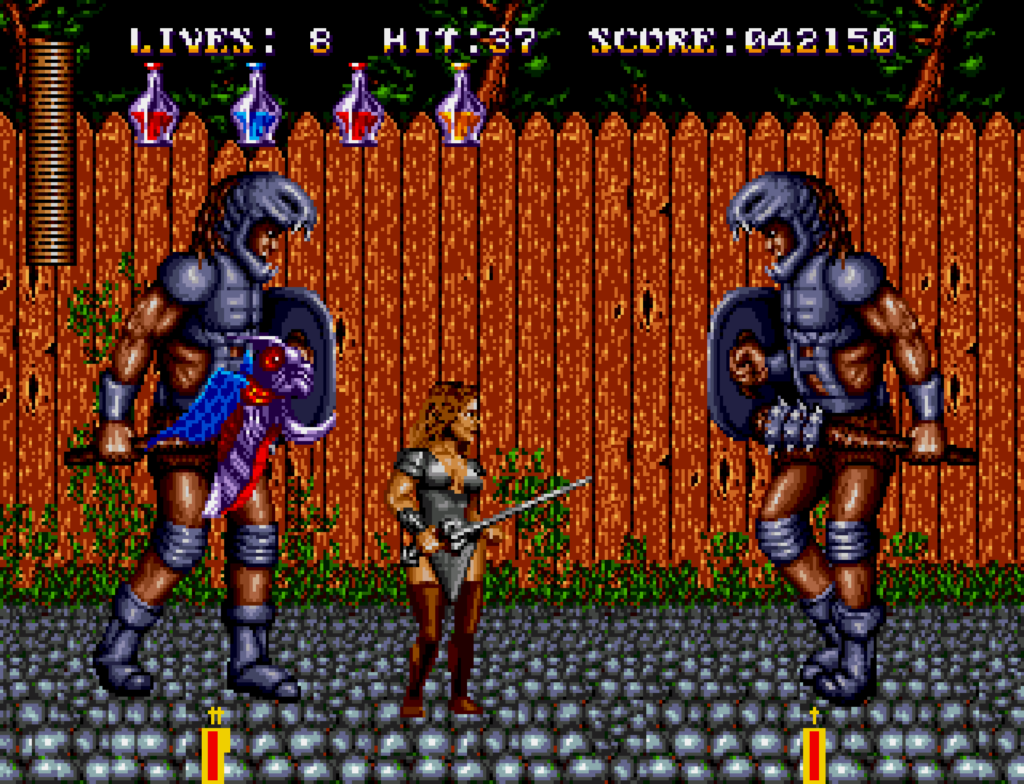
Almost nothing gets through these giants’ defenses, and your encounter with them puts one on either side. As a connoisseur I must say, the frustration is exquisite.

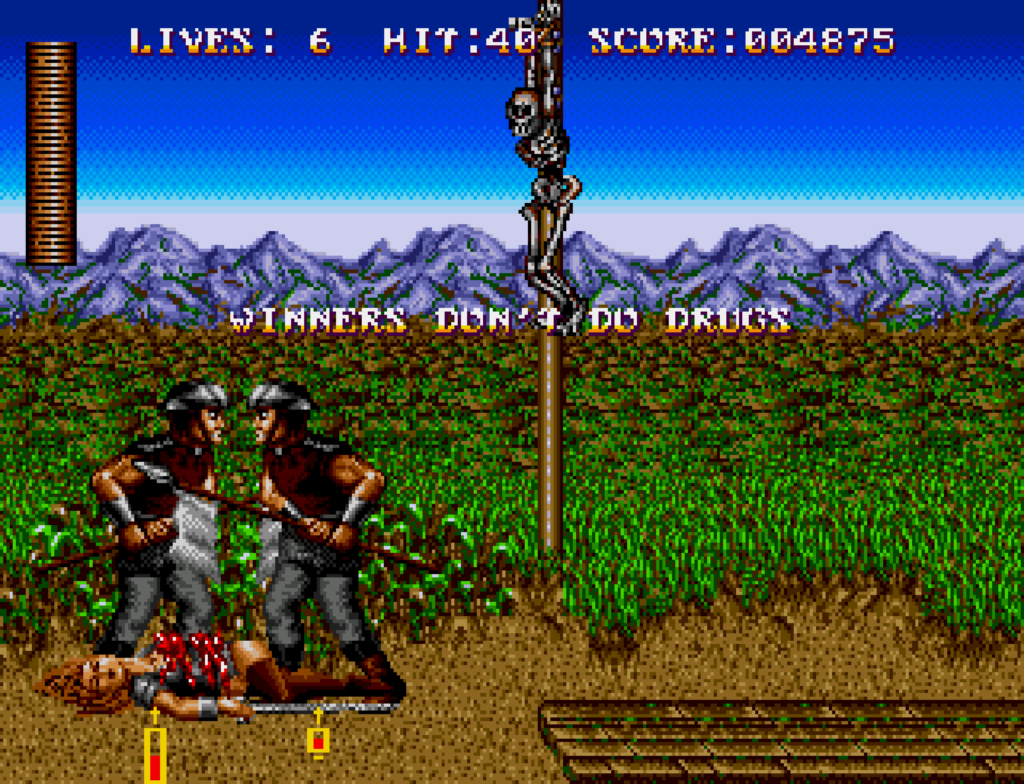
Sword of Sodan for the Sega Mega Drive/Genesis, as it turns out, is a port of an Amiga game. Both games are extremely hard, but the Genesis version actually has more interesting design decisions behind it, in the form of its potion mixing subgame. You can hold up to four potions, each of one of four different colors, and can choose to drink any number of them at once. Drinking different combinations of potions has different effects, most good, some useless, a couple actually bad. (Hilariously, if you drink one of each color at a time your character immediately dies, and the game flashes a message on screen: “WINNERS DON’T DO DRUGS.” Gee thanks, William S. Sessions.)

Many games of the time talked the talk, but Sword of Sodan would outright kill you if you got too experimental with your potions.

67 pages is a lot to read about a game that few people might want to play, but it’s okay to skip around. I won’t tell anyone.

Bad Game Hall of Fame: Sword of Sodan