Have you ever wondered what the appeal of a rock-hard, old-school, Wizardry-style, first-person, overly-hyphenated classic CRPG is?
The original Bard’s Tale, notthe PS2 action RPG reboot, and not the more-recent continuation either, created by Michael Cranford, is not as harsh as Wizardry, but is still a tough game, and one that demands that you map it out as you go. Instead of a menu-based town like in Wizardry, you have to actually explore the town of Skara Brae to find important locations within it like Garth’s Equipment Shop, Roscoe’s Magic Emporium or even the Review Board where you gain experience levels, and surviving the town’s random monsters long enough to do those things is your first major challenge. Yet despite, or maybe because of, that difficulty, the series sold more than a million copies, and was an important early hit for both developer Interplay and publisher Electronic Arts.
The C64 Appreciation Society is working through the original Bard’s Tale in an in-progress series of videos, ranging from 10 to 15 minutes in length, and they’re excellent both for an introduction to the classic series, and for understanding what made the game so popular.
The playlist is in reversed order, so if you watched it from that you’d start with the episode 4 and then watch 3, 2 then 1, and it’s really for the best to watch them in the correct sequence, so here those are: Episode 1 – Episode 2 – Episode 3 – Episode 4. Embedded here is the first of those episodes:
Bad Game Hall of Game is an interesting blog that talks about failed titles without the snark with which they were usually treated in the early days of the Web, or the rancor of The Angry Video Game Nerd. Snark and furor drive hits, of course, so I can respect the desire to give games many regard as kusoge their due, whatever that may be.
When you know it? It’s simple. When you don’t? It’s unfair.
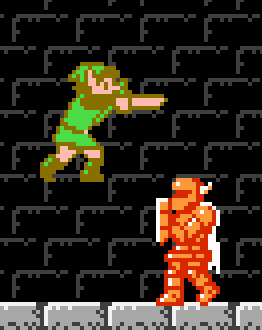
Truthfully, there are lots of games that are perceived as bad that aren’t really so terrible, often due to the audience-chasing bile emitted by folk like Seanbaby and Something Awful. Games intended to be played for challenge, especially those from arcades and the earlier years of consoles, are kind of a pastime for masochists. When you lose, it often feels like it’s not your fault, but was it really? Was that hit telegraphed and avoidable? Was there some clever technique to be discovered, like jumping and slicing through an Ironknuckle’s helmet in Zelda II, that makes seemingly impossible enemies a simple matter to defeat? And when a game is intended to be played many times, not shattered in a single session but returned to many times, getting a bit further each time, isn’t it supposed to be a good thing that you may lose your first time out?
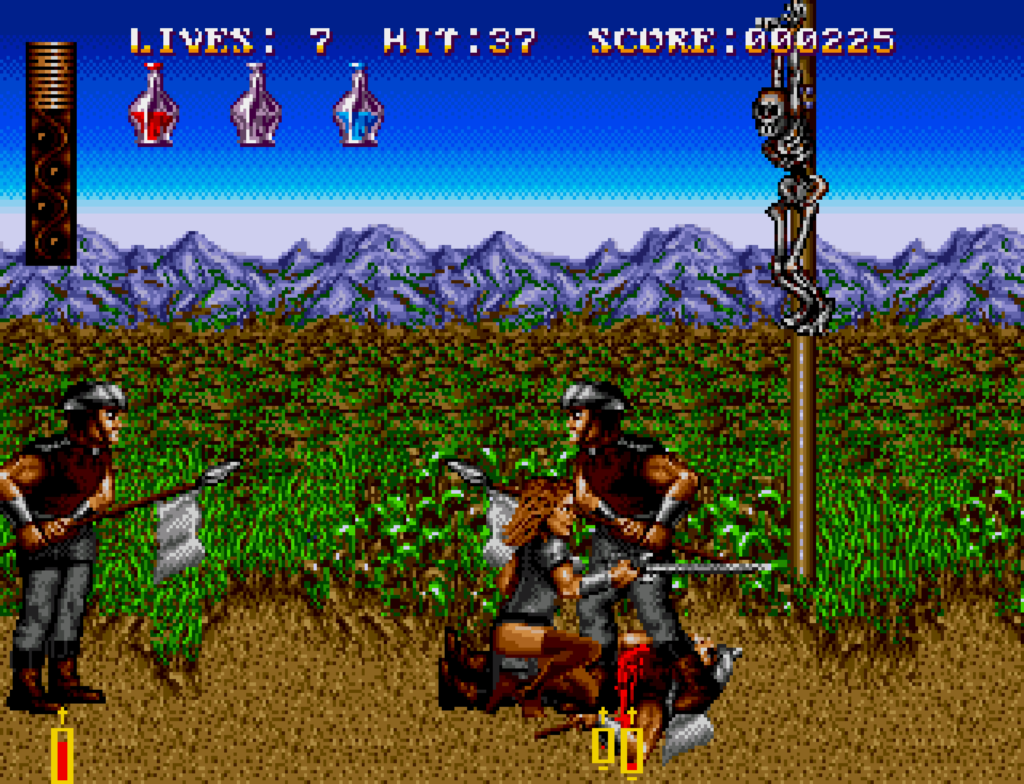
I took these screenshots myself for this post. See what I do for you.
There are lots of armchair game designers, maybe even more than armchair movie directors, since players spend more time with games generally before they put them down, and it’s easier, theoretically at least, to make games yourself without the capital expenditure and outside labor that movies require. (I can tell you though, it’s still plenty hard.) And yet, they are the players, and if they’re not having fun, then the game is doing it wrong. Even if it’s because of some information or training the player hasn’t, in their life, gained, you can’t blame them. Maturity can help a player enjoy games they wouldn’t otherwise. But this is also true of any art form, and the opposite could also be said to be true, there are games where, I’d say, maturity is an outright barrier to enjoyment. It’s complicated. Maybe I’ll talk about this later.
URG URG URG URG AIIEEE
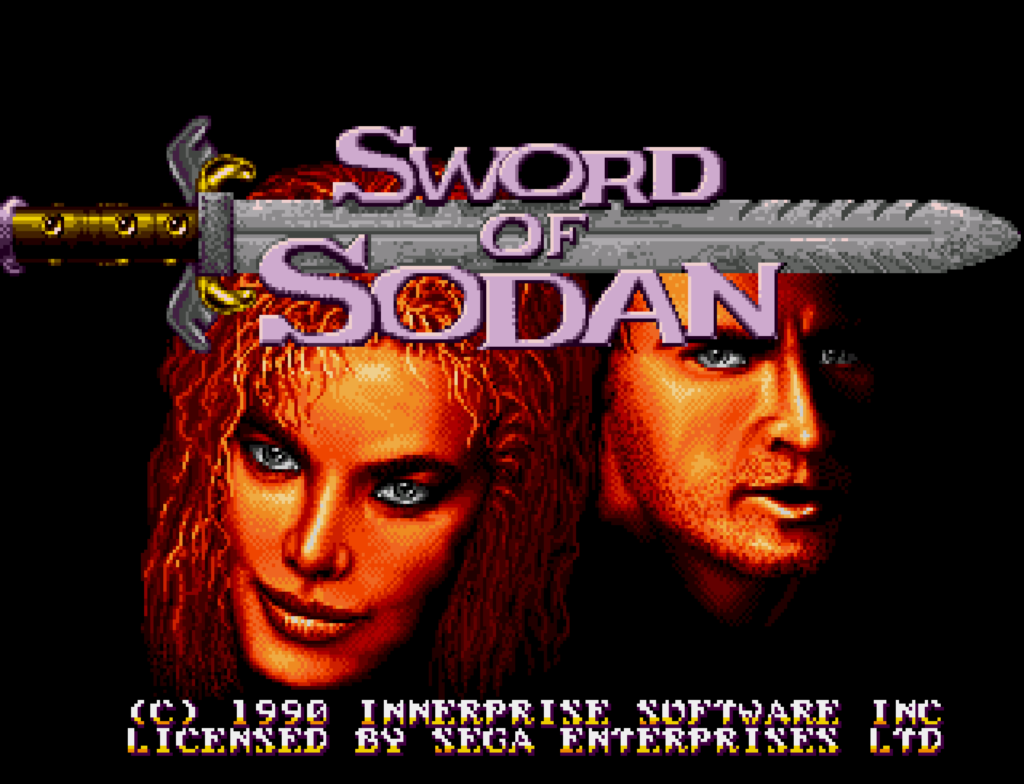
In the article that Bad Game Hall Of Fame talks about that I find interesting today, the game in question is Sword of Sodan, the creation of Finnish demo coder Søren Grønbech, an infamous game with a much longer story behind it than your typical bad game, indeed extremely long. Out of curosity, I pasted BGHoF’s discussion of it into Microsoft Word, and it came up to 67 pages! It’s got two large sets of footnotes, goes back to the Amiga demo scene and gives insight into the difficulties of developing computer games, at the time, in the state of Denmark.
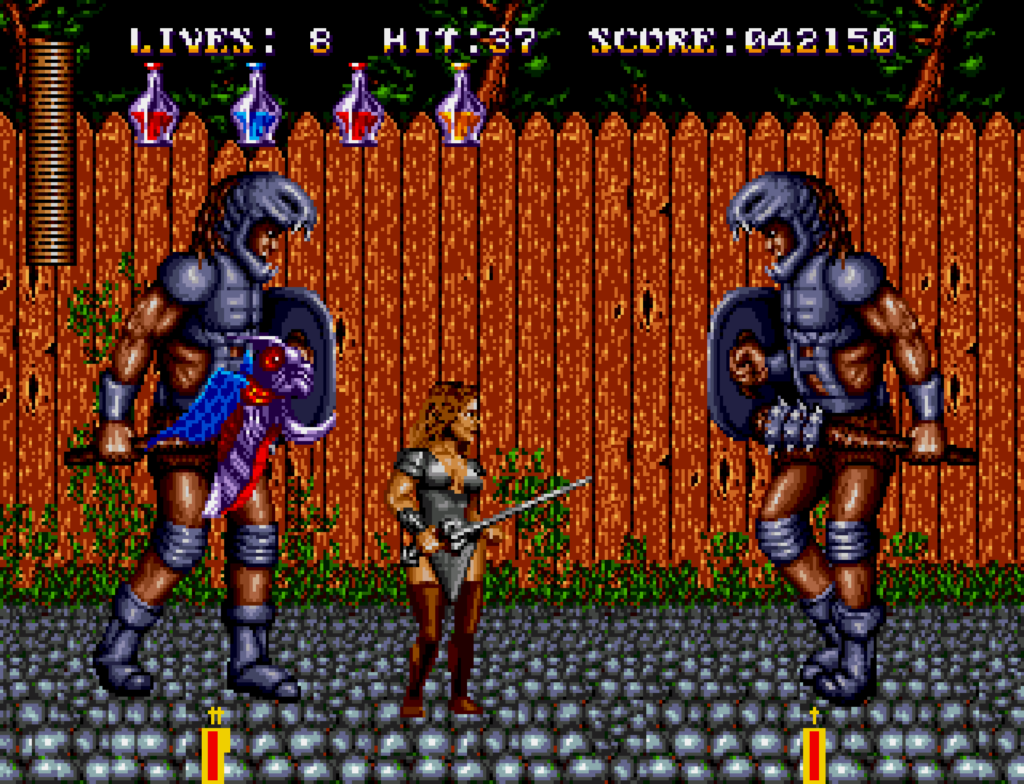
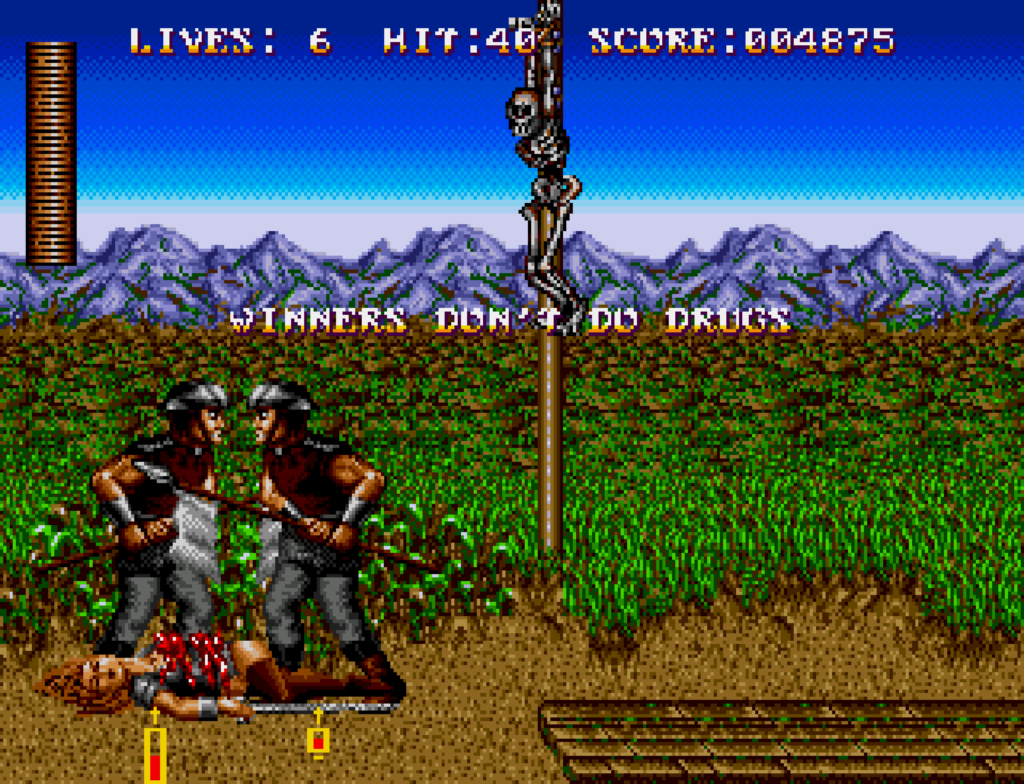
Almost nothing gets through these giants’ defenses, and your encounter with them puts one on either side. As a connoisseur I must say, the frustration is exquisite.
Sword of Sodan for the Sega Mega Drive/Genesis, as it turns out, is a port of an Amiga game. Both games are extremely hard, but the Genesis version actually has more interesting design decisions behind it, in the form of its potion mixing subgame. You can hold up to four potions, each of one of four different colors, and can choose to drink any number of them at once. Drinking different combinations of potions has different effects, most good, some useless, a couple actually bad. (Hilariously, if you drink one of each color at a time your character immediately dies, and the game flashes a message on screen: “WINNERS DON’T DO DRUGS.” Gee thanks, William S. Sessions.)
Many games of the time talked the talk, but Sword of Sodan would outright kill you if you got too experimental with your potions.
67 pages is a lot to read about a game that few people might want to play, but it’s okay to skip around. I won’t tell anyone.
“We scour the Earth web for indie, retro, and niche gaming news so you don’t have to, drebnar!” – your faithful reporter
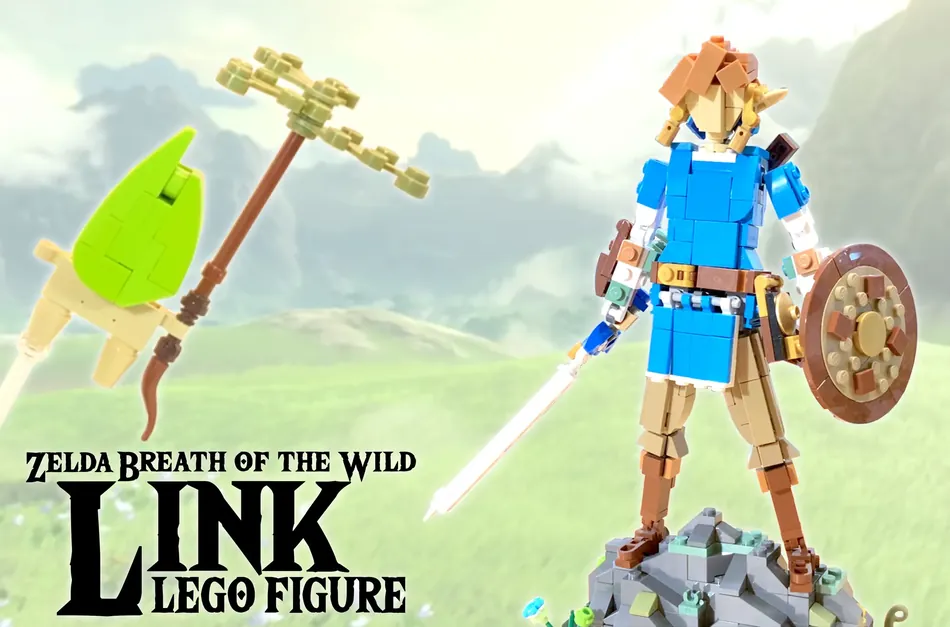
Lego is banning new Ideas projects based on The Legend of Zelda, according to Chris Wharfe at Brick Fanatics. The reasoning given is a bit vague. It could either be because Lego is working on their own Zelda sets (and they already have a working relationship with Nintendo, making the popular Super Mario sets), or it could be that the rights to Zelda models were sold to someone else. Either way, it may mean we get Zelda models through some company eventually.
A pretty good Link model from Lego Ideas! From its project page.
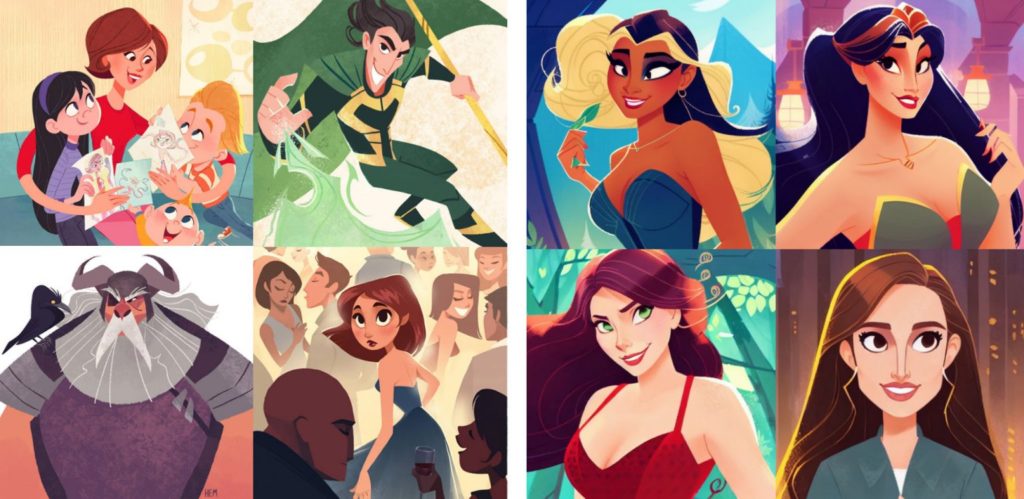
From Andy Baio’s article-the left is Hollie Mengert’s work, the right, the output of the AI model trained from it.
Rich Stanton at PC Gamer writes that EA’s been granted a patent on game controls that change based on how well the player does. Software patents are bad on principle, that is a horse that I will always flog despite this awful situation having existed for literally decades now, but getting past that, for now. This seems at first like just another version of adaptive difficulty, which is also something that seems like it’s kind of a problem when it happens without notifying the player or giving them a say in it. I know I know, “Kent Drebnar, get with the 21st Century.” Maybe I’ve been hanging out with the Gripe Monster too much lately. The article goes back into the history of these kinds of effort, going all the way back to Compile’s Zanac, although I would argue that’s not so much adaptive difficulty as a system that the player can strategize to manipulate. Zanac is terrific, by the way.