
Shmuplations Translates N64-Era Interview Between Kenji Eno and Shigeru Miyamoto

The interview, presented in the glorious text medium, is here. shmuplations’ Bluesky linked it from here.

Kenji Eno (image from Wikipedia)

Kenji Eno (Wikipedia), the creator of horror games D and Enemy Zero, and other iconoclastic games like You, Me and the Cubes (Wikipedia). He passed away from a heart attack in 2013.

Shigeru Miyamoto (image from Wikipedia)

Shigeru Miyamoto (for form’s sake, Wikipedia) is of course the legendary game designer and producer at Nintendo, creator of Donkey Kong and Mario, and designer of Super Mario 64, among other titles. He’s still with us.

The interview happened shortly after the release of Mario 64, and is interesting because Eno is not unduly laudatory of it. He says it’s a good game, but feels it was missing something from its Space World presentation. Miyamoto agrees somewhat, that the free exploration of the prototype version was not as much in evidence, and thought it lost something by giving the player more direction, but that the demands of the marketplace, and the need for Nintendo to have a big hit to promote their new console, forced their hand. (Aside: the Space World version of SM64 has never turned up, not even in the infamous “Gigaleak” from 2020. shmuplations notes that The Preservation project (patch, github) is a fan attempt to recreate it.)
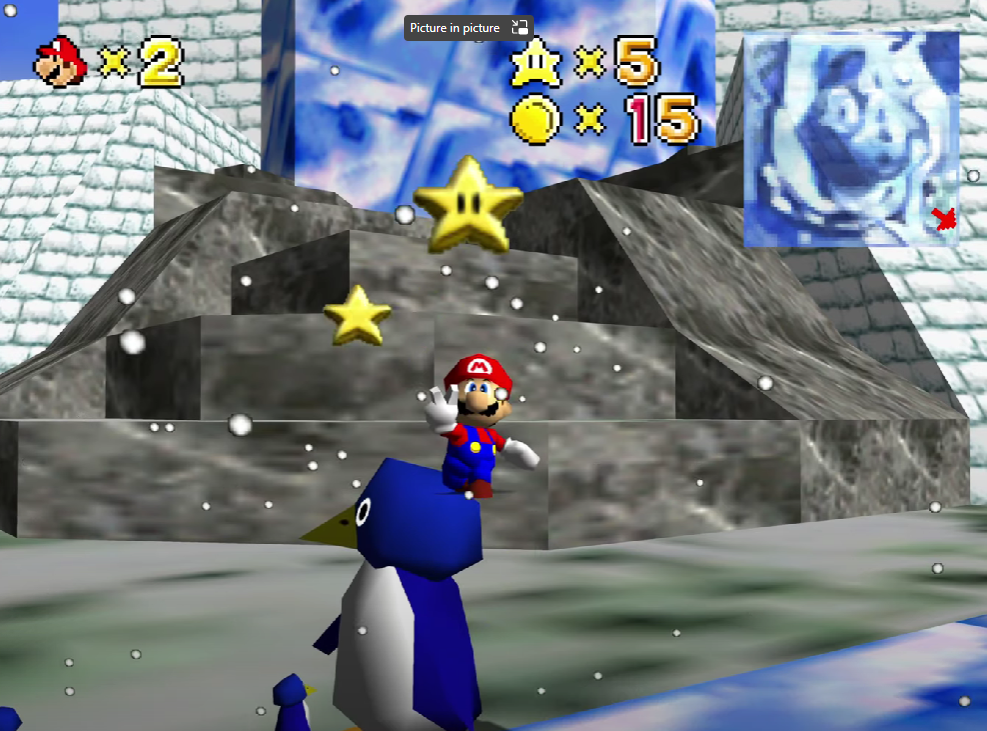
Screenshot from The Preservation Project (image from romhacking.com)

It’s an incredibly revealing interview, not the least reason being it discusses Nintendo’s hopes for the 64DD. I think you’ll find it very interesting, if you’re the kind of person I think you are.

shmuplations also did an interview Kenji Eno did with toy inventor and early video game producer for Nintendo Gunpei Yokoi.

Shmuplations Translates An Interview With An Arcade Donkey Kong Programmer

The name of Ikegami Tsushinki Co. is a bit better known nowadays. For a long while Nintendo was content to just let the world believe they were entirely responsible for their early blockbuster arcade hit Donkey Kong, but eventually word got out that all of its program, and large portions of its design, were the work of a number of uncredited employees of that company. While Nintendo owns the trademarks over the game, the copyright of the arcade game’s code appears to be owned by Ikegami Tsushinki, or perhaps held in joint between them and Nintendo.

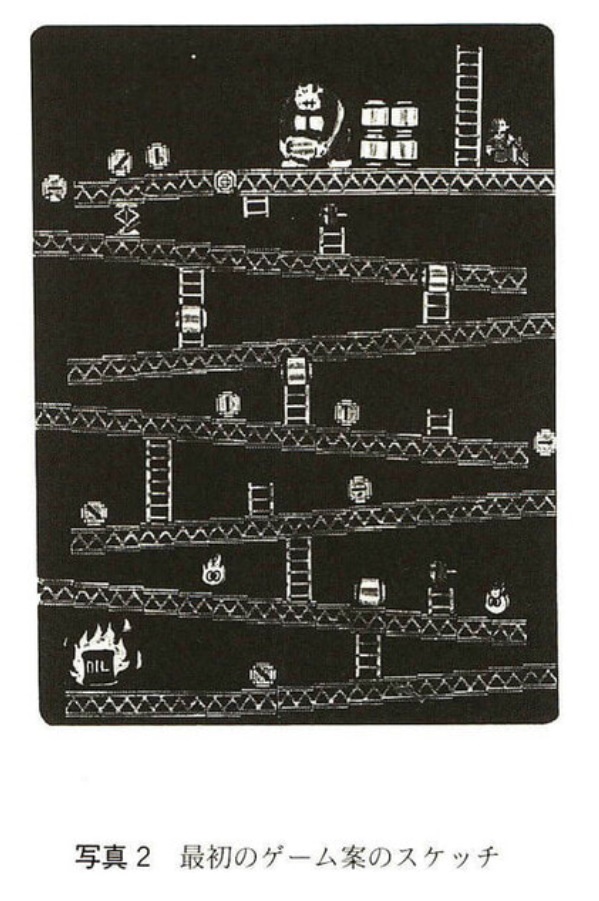
One of Shireru Miyamoto’s original notes for the design of Donkey Kong, at that time envisioned as a Popeye game.

Which is it precisely? Look, when you write a daily blog you don’t have time to hunt up Japanese legal records. What is important though is that this is why Nintendo doesn’t have the rights to just rerelease arcade Donkey Kong willy-nilly. To date, they have used it once since the classic arcade era: an inclusion in the N64 Rare title Donkey Kong 64. Mind, there has been an Arcade Archives release from Hamster; I presume they got the rights from both Nintendo and Ikegami Tsushinki. It’s for this reason that Nintendo almost always presents NES Donkey Kong in compilations, which is similar but differs from the arcade game in many important ways.

Hirohisa Komanome was one of the people at that company that worked in concert with Nintendo’s Shigeru Miyamoto, and several other employees of Ikegami Tsushinki, to complete the design and implement Donkey Kong from Miyamoto’s notes, finishing it in only around three months. Donkey Kong came out in July of 1981, meaning it was probably began around the beginning of the year. The quickness of their work would prove to be essential: remember, the American arcade industry collapsed in 1983, when many promising games would be abandoned or released to greatly diminished profits. If Donkey Kong had been released a little later, it may not have become such a fondly remembered hit.

Kate Willaert commissioned the translation by Alex at Shumplations of an article written by Hirohisa Komanome that was published in 1997 in the Japanese publication bit. It’s up on their site here. Given that Nintendo tends to be very tight-lipped when letting their employees talk to the press, it’s probably good for us that Donkey Kong was implemented by an outside company, or else this account of the game’s creation may never have seen print, or our eyes.

Donkey Kong: A Record of a Struggle translated into English (shmuplations.com)