I’ve been trying lately to take it easy on the Youtube posts, but in this age of the internet they seem unavoidable. This one though, I think is unquestionably worth it, a six-minute video of the illustrator of classic Final Fantasy games (whose work mostly came through in monster images and manual art) doing a piece for the cover of the CD soundtrack in preparation for Cuphead’s Japanese release. The early moments of the video are preliminary sketches that show them getting used to the characters; the work he settles on is a Final Fantasy-esque interpretation of Cuphead and friends (and enemy). Thanks to NoxAeternum to finding this and posting it to Metafilter!
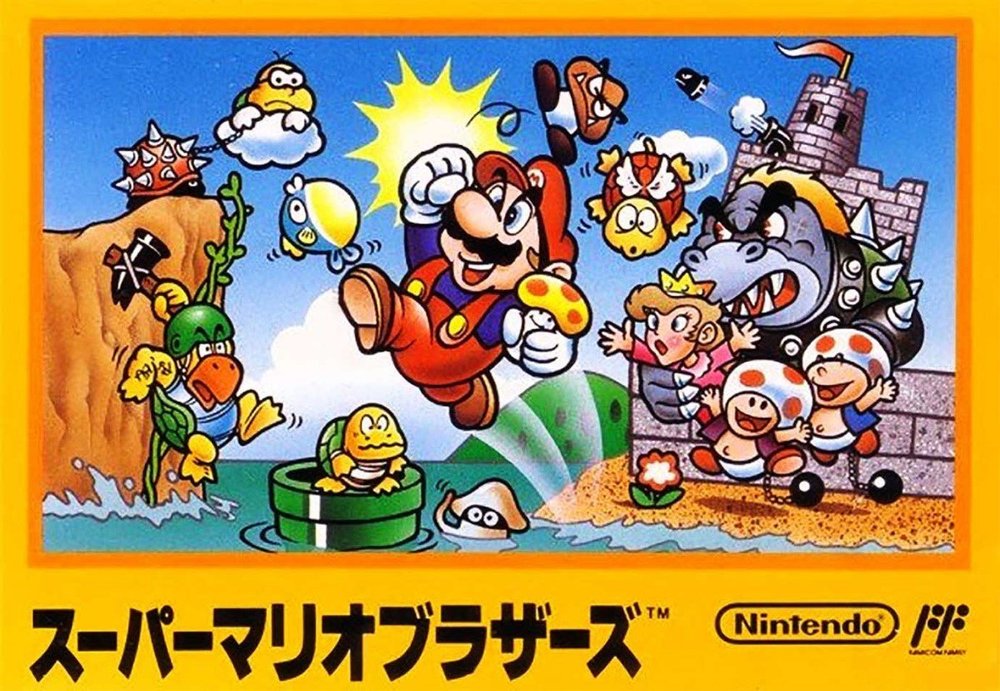
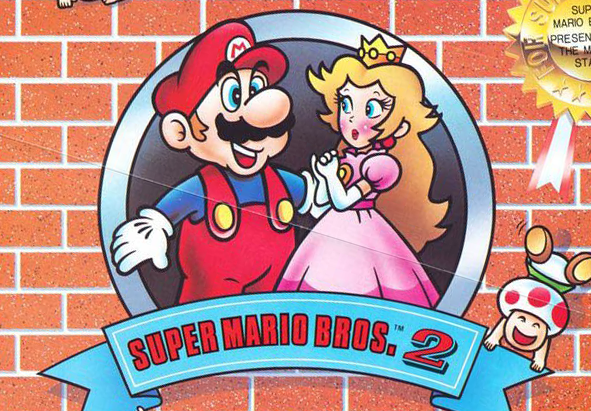
Wonderful blog Thrilling Tales of Video Games did a retrospective last month that went through all the various versions of Princess Peach there’s been. Interestingly, while Peach’s look largely solidified in the promo art for Japanese Super Mario Bros. 2 (the insanely hard one, a.k.a. “The Lost Levels”), before that there were all kinds of takes on the character, ranging from Miyamoto’s own drawing (used in the box art of Super Mario Bros. in Japan) to a variety of versions all trying to adapt her single sprite image from the ending of SMB.
Peach in this illustration was drawn by Shigeru Miamoto himself. (Image from blog)And this is the first version of modern Peach. (Image from blog)
The post features a whole bushel of Peaches, many barely seen outside of Japan. Recommended highly!
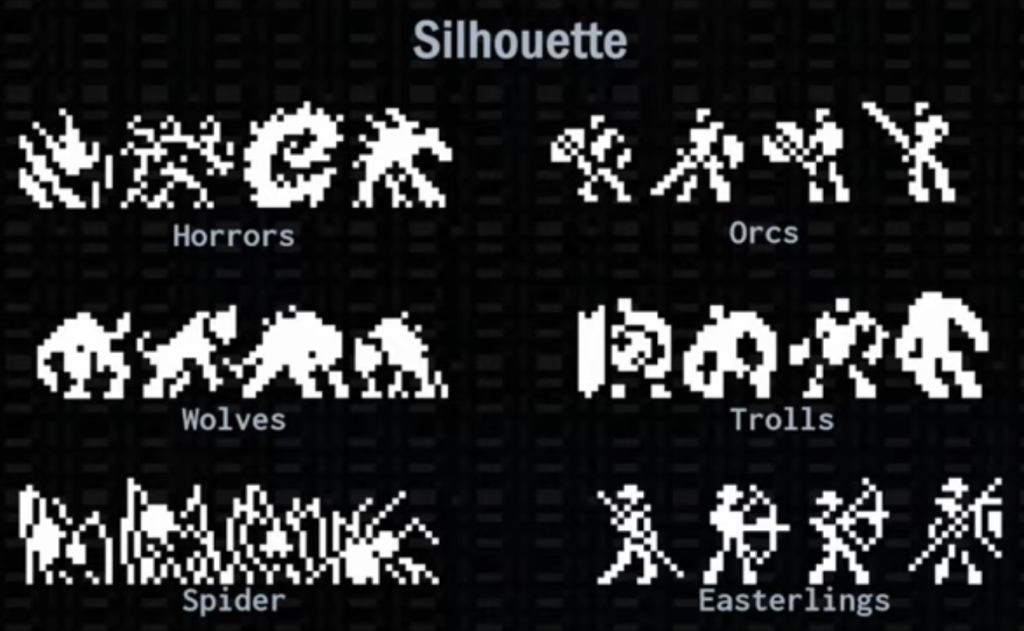
Sil-Q is an Angband variant. Joel Ryan, aka MicroChasm, made its tileset which shows a lot of care in its creation. Sil-Q’s tiles are modular, so humanoid monsters can hold weapons, and also have strong silhouettes to aid recognition. It’s full of the kinds of concerns pixel artists have to worry about!
Silhouettes of various monsters in Sil-Q
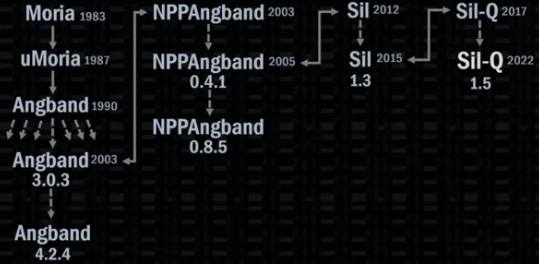
As a bonus, the talk provides this lineage of Sil-Q!
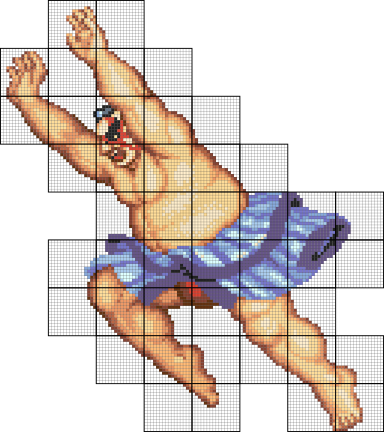
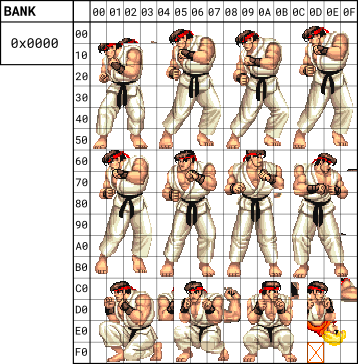
Street Fighter II has some really complex spritework! Its characters don’t actually use traditional sprites, but more what amounts to custom tile layers for each one. This helped unlock characters from being mostly rectangular, and allow them to have poses with radically different shapes.
Fabian Sanglard has a great article about how character art was created for that system that’s well worth your time to have a look at. Well, maybe it’s worth it? I don’t know you. For all I know you’re looking for sewing advice. This is probably the wrong site for that. No offense to all you clothes-makers out there.
ROMs were expensive, and Street Fighter II required a lot of them, so it was important to make the most out of each one. A big rectangular shape around Edmond Honda would contain a lot of empty, wasted space. Imagine how much space they would have wasted with Dhalsim’s long stretchy legs! With this system, they only had to include the graphics data that would actually contain pixels.
This was in 1991, mind you. More recent development practices would probably have the data be compressed in storage, which would take care of all those empty pixels, or at least they could make a tool to handle figuring out which tiles should contain data. What the Street Fighter II artists had to do was create physical representations of each character on a physical board, chop that up into squares, and figure out what each tile had to contain, a laborious process.
Fabian reckons this system was used for other CPS-1 games, going back to at least Forgotten Worlds. Looking at the tile layouts of CPS-2 titles, it seems a lot more evident that they used a packing tool to handle fitting their characters into the memory space. For more info, please go check out the article!
Along these lines, it’s a good time to revisit Mapstalgia, a defunct blog made by Josh Millard (cortex from Metafilter), that’s filled with player-made maps of this sort!
Source: Art and Artifacts – Upload credit: Melora of historyofhyrule.com
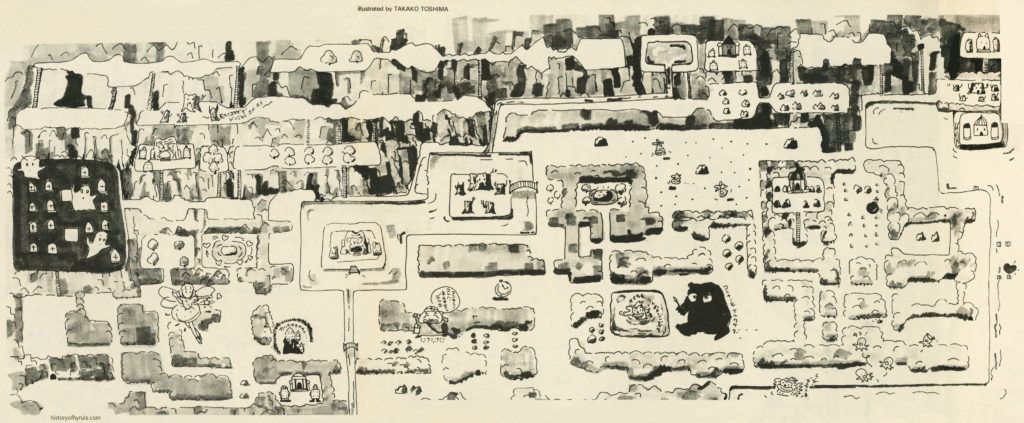
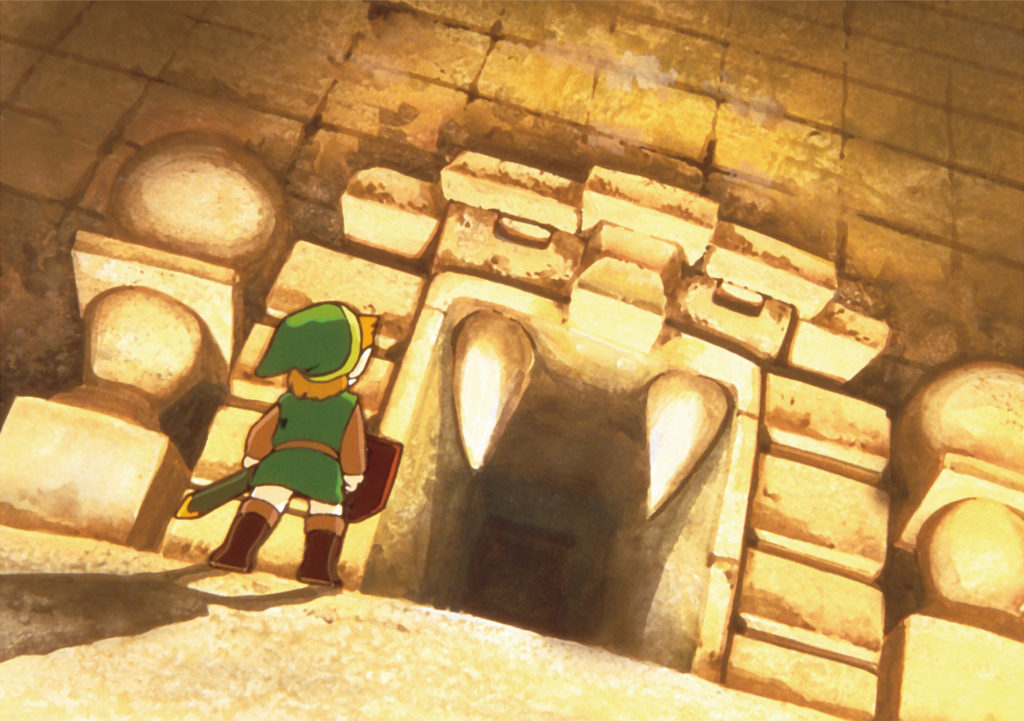
This is a collection, made by Melora, of various Japanese publications related to The Legend of Zelda and its sequels, including manuals, hint books, strategy guide and manga. There’s a lot to go through! Some of it is translated, a lot isn’t. But it’s all nice to leaf through. There’s four heads to this particular Gleeok: a home page, a blog, a Twitter feed, a Flickr image archive with tons of images, and a substantial amalgamation on the Internet Archive. If you’re as familiar with Zelda games as I am, you might not even particularly need the strategy guides translated!
I still remember the first substantial thing I read about Zelda, long ago, a review in, of all places, Games Magazine. I must have been about 13 at the time. It seemed like an awesome thing to my games-addled brain, but at that moment I didn’t even have an NES. When I first played it, it was amazing. I spent months uncovering every item and secret (finding Level 7 in the second quest was a major roadblock).
So, when I think of The Legend of Zelda, I think of challenging game play, exploring a huge world, finding deviously hidden secrets, and overcoming a formidable challenge purely by my own efforts. All of these side various comics are a bit lost of me, as it is not often that I get into the lore of the series (The Wind Waker was a major exception), but I understand that a lot of other people do, and I think that’s terrific.
I have not had that the kind of experience I got from The Legend of Zelda from many other things since the era of the NES, but two places I did get it from were Breath of the Wild, of course, and Fez. I hear Tunic‘s pretty good, I probably should look into that soon….
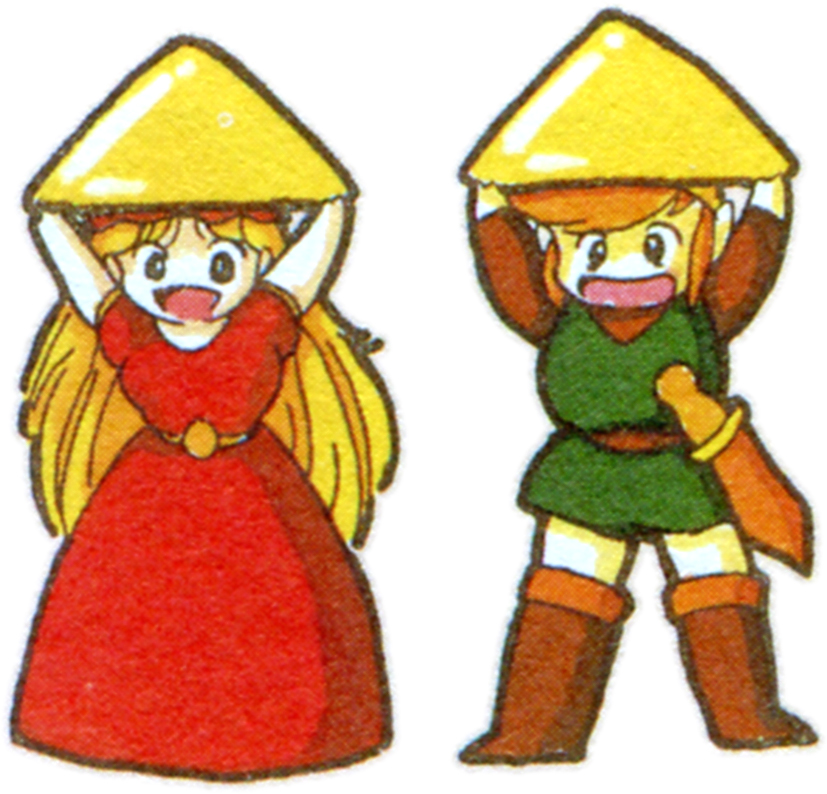
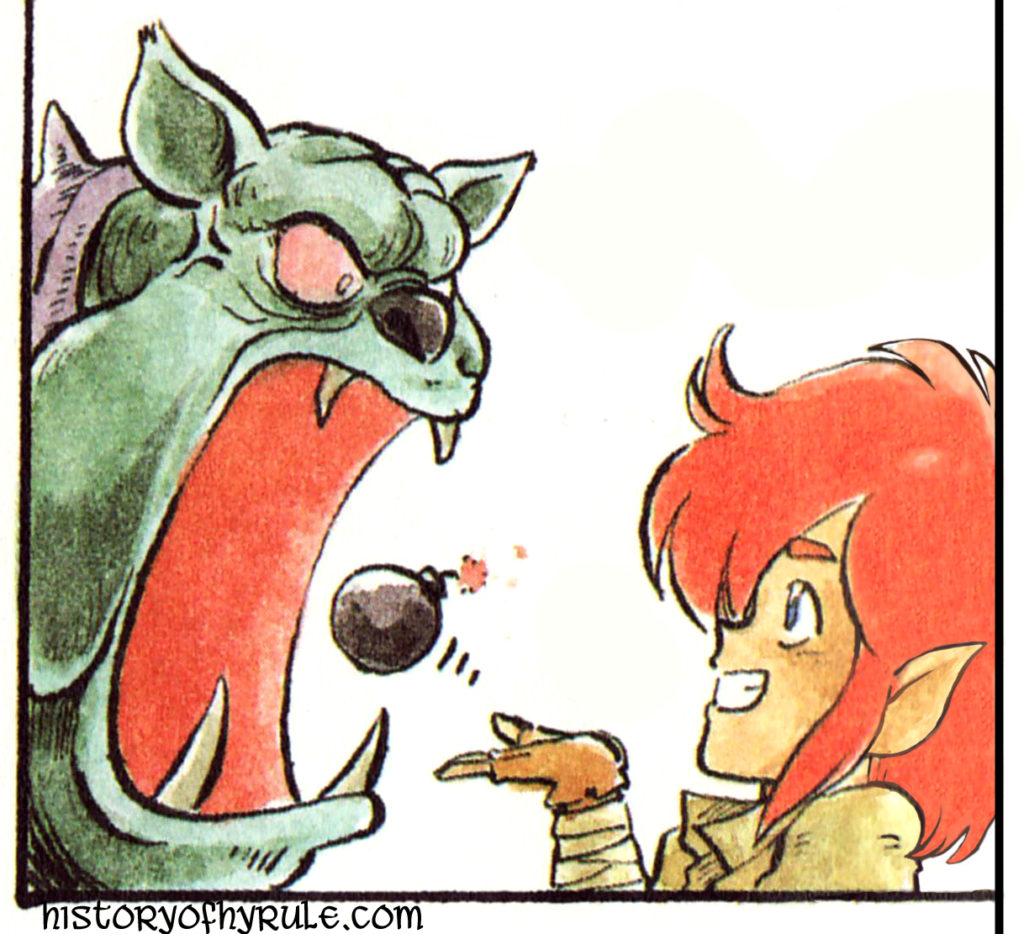
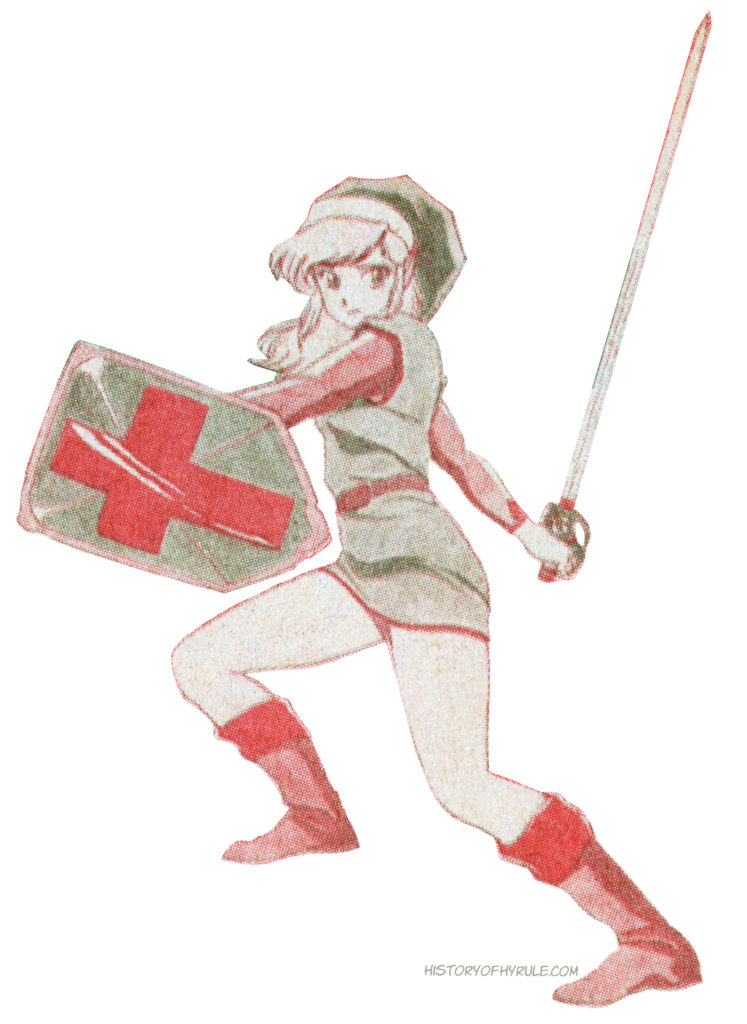
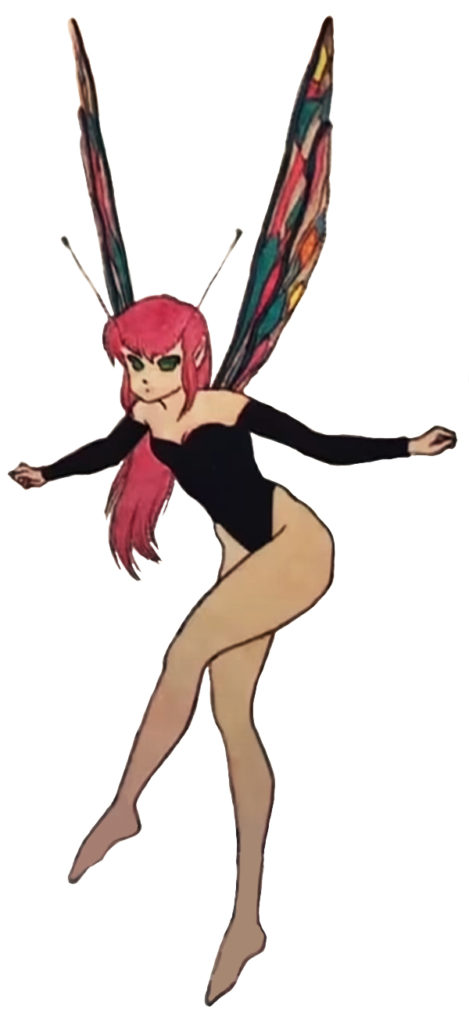
Some more images, from various materials related to the first game. All are from this Flickr album, and were uploaded (and many of them, scanned) by Melora of History of Hyrule:
Publication Source: Million Publishing Guide – Contributor Source: Zelda Dungeon
Publication Source: 3 Game Guide Contributor Source: Donated by Mases of Zelda Dungeon
Originally found in the comic magazine Monthly Shonen Captain May 18, 1986, discovered thanks to twitter.com/kazzykazycom
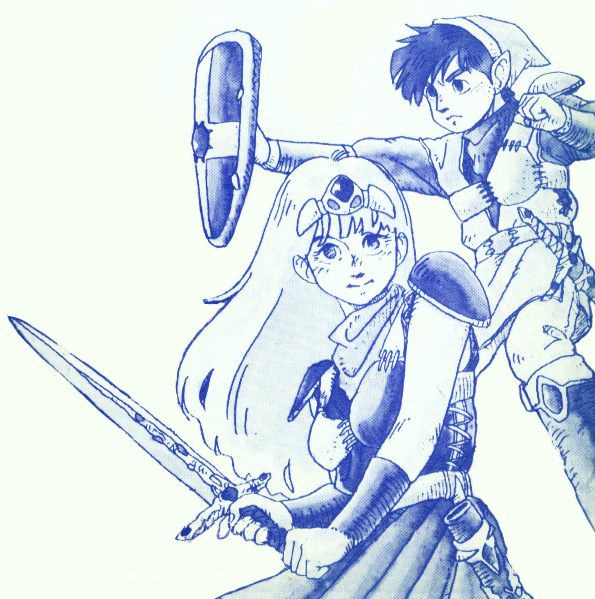
Found by kazzykazcom on Twitter, unknown originSource: From the The Legend of Zelda: The Mirage Castle by Akio Higuchi and Yuko Tanaka, 1986
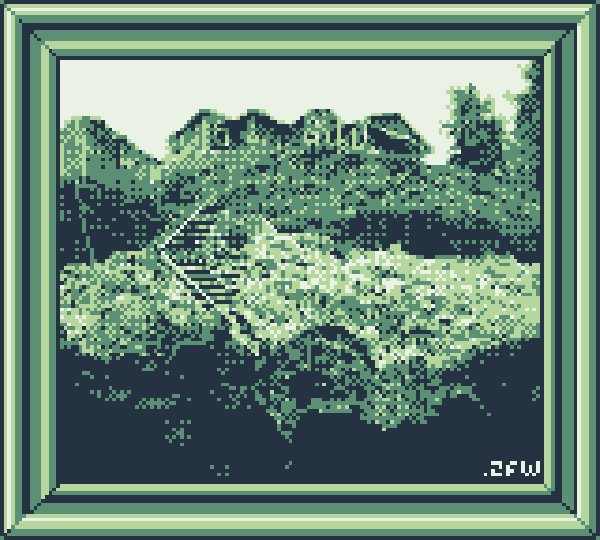
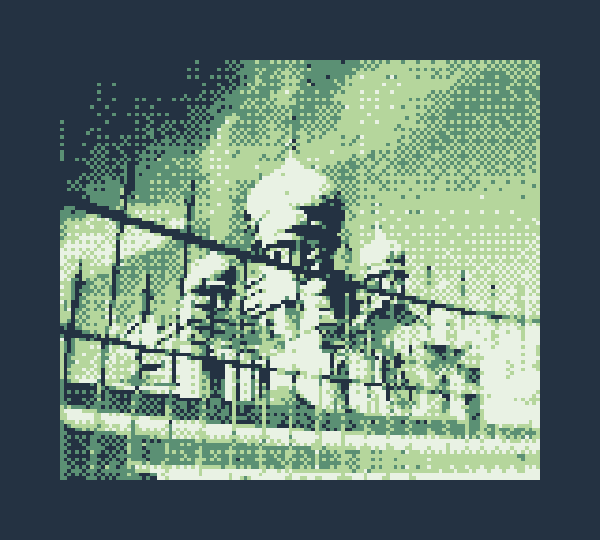
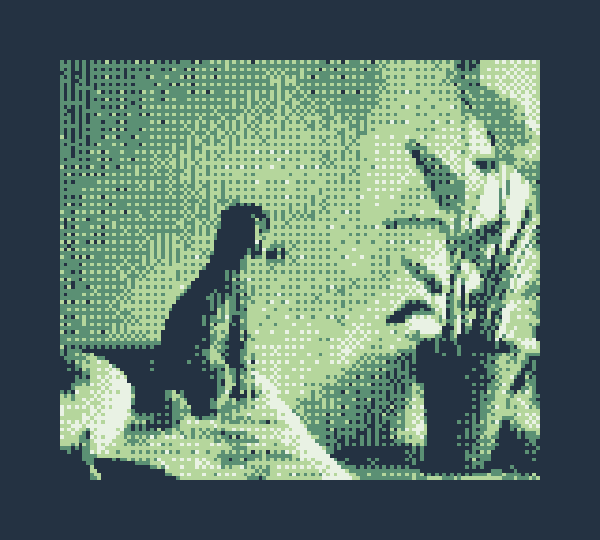
From Cat Graffam on Twitter, the Game Boy Camera Art Gallery is a Game Boy rom image, in the form of an RPG-style walkaround, showing off photos taken with Nintendo’s crazy and awesome little heavily-dithered, 4-color foray into 90s digital photography. It can be viewed in-browser or as a downloadable rom, or you can purchase a cartridge with it for use on your own Game Boy or Game Boy-compatible hardware! Here are a few works from the compilation: