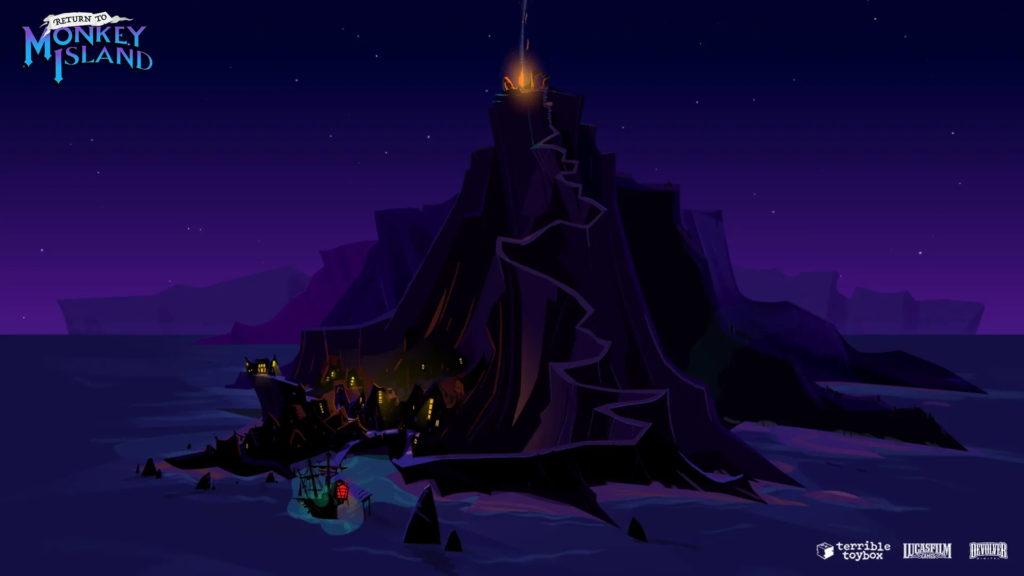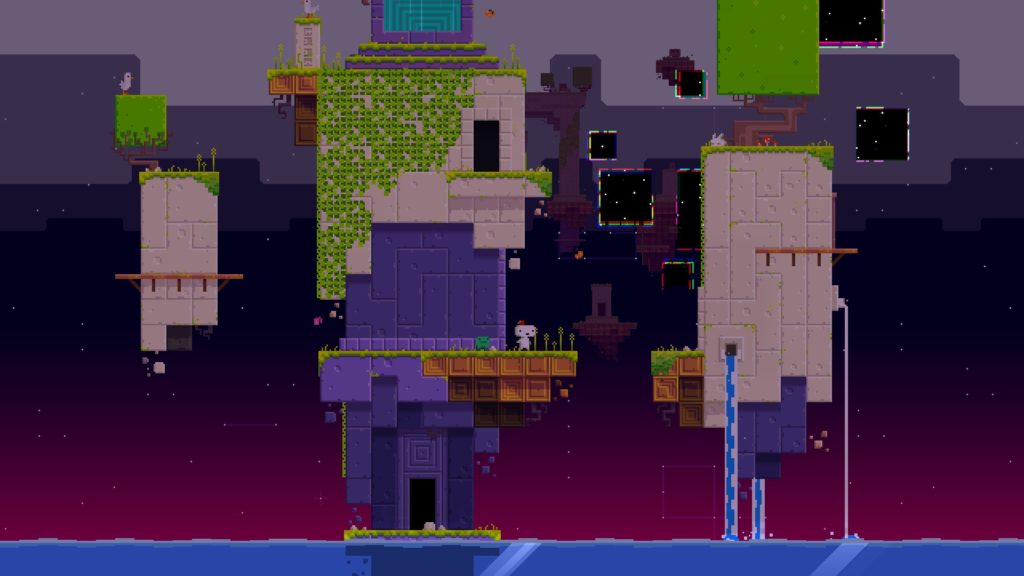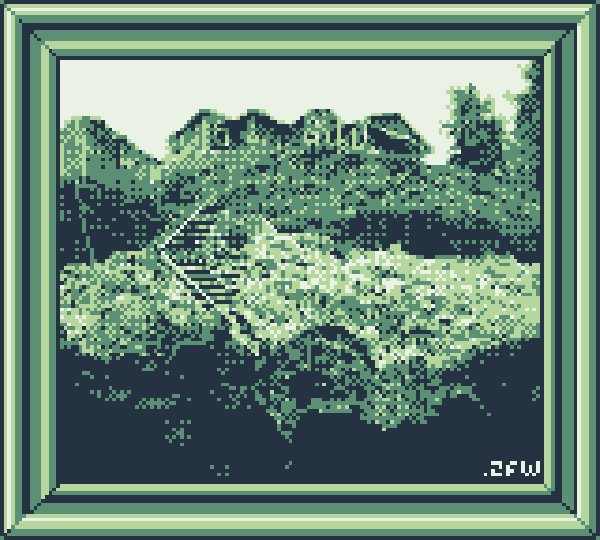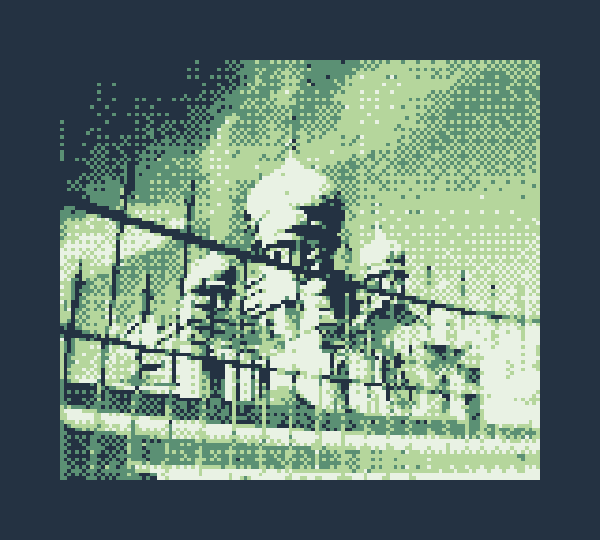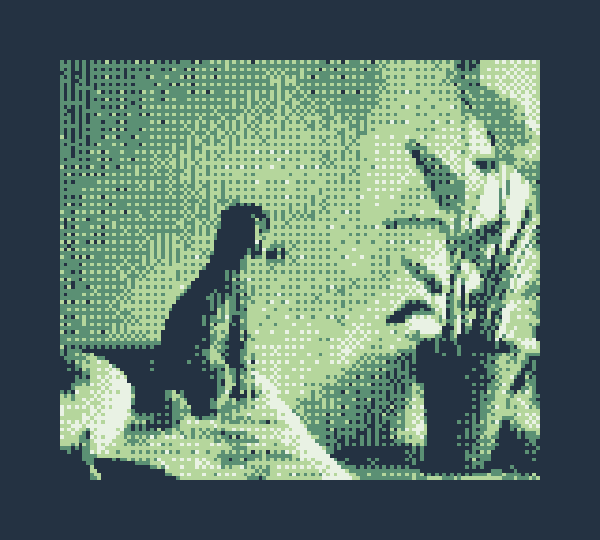

From Cat Graffam on Twitter, the Game Boy Camera Art Gallery is a Game Boy rom image, in the form of an RPG-style walkaround, showing off photos taken with Nintendo’s crazy and awesome little heavily-dithered, 4-color foray into 90s digital photography. It can be viewed in-browser or as a downloadable rom, or you can purchase a cartridge with it for use on your own Game Boy or Game Boy-compatible hardware! Here are a few works from the compilation:
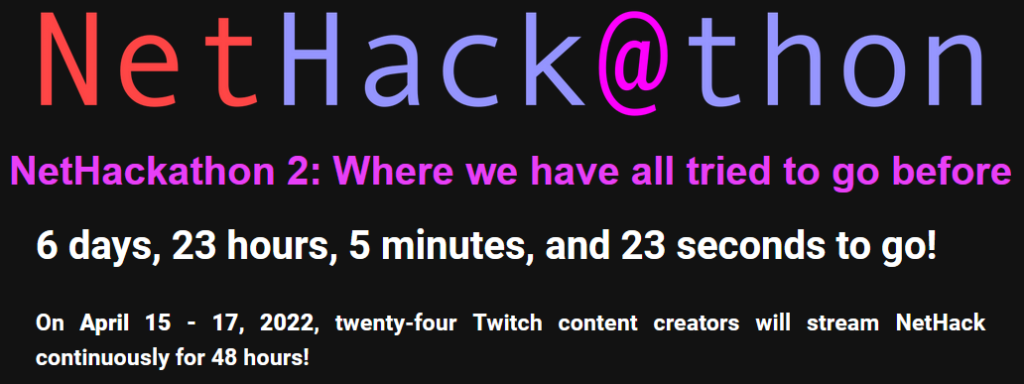
They did a similar stream last year in the month of September, but this year they’ve moved it to April in order to space themselves better around the two major NetHack tournaments in June and November.
What is that? You don’t know anything about NetHack? Oh boy, I get to explain it again-it’s a venerable roguelike game that’s been in existence for 34 years! The first version of NetHack is older than the Super Nintendo Entertainment System. It began during the presidency of Ronald Reagan! While there have been lulls in its development, and at least one major member of its dev team, Izchak Miller, passed away years ago, it’s still going, and it’s still being worked on. It’s notable for its high difficulty, the large amount of information a player must assimilate to be successful, and for its high degree of fairness (although sometimes it doesn’t seem fair)
NetHack comes across as like a solo adventure in an old school first-edition AD&D megadungeon. It’s full of monsters with weird properties, you have to figure out what your items do, and every game is randomly generated.
Windows 3.0 is where it became obvious that Windows was going to be a big thing. Previous versions of Windows were novelties. Now Microsoft had something that looked as good as a Mac. MS-DOS had become the de-facto standard for computing, but its UI was a command prompt, great for power users but impenetrable for the average PC owner. Windows 3.0 began to change that, and Windows 3.1 was a substantial improvement upon that.
April 6th is the 30th anniversary of Windows 3.1, released in 1992. While many of its elements may seem unfamiliar to younger users-there is no Start Button, desktop directory, taskbar, Windows Explorer or web browser-millions of people got their first exposure to Windows here. It used a “Program Manager” to allow users to launch their software.
File icons don’t appear on the Desktop. Minimized programs appear there instead, at the bottom of the screen. And under the hood is MS-DOS, which would remain around in some form until Windows XP finally annihilated it completely in 2001.
The file manager of Windows 3.1, called File Manager natch, has been officially remade for Windows 10 and later, and is available on the Microsoft App Store.