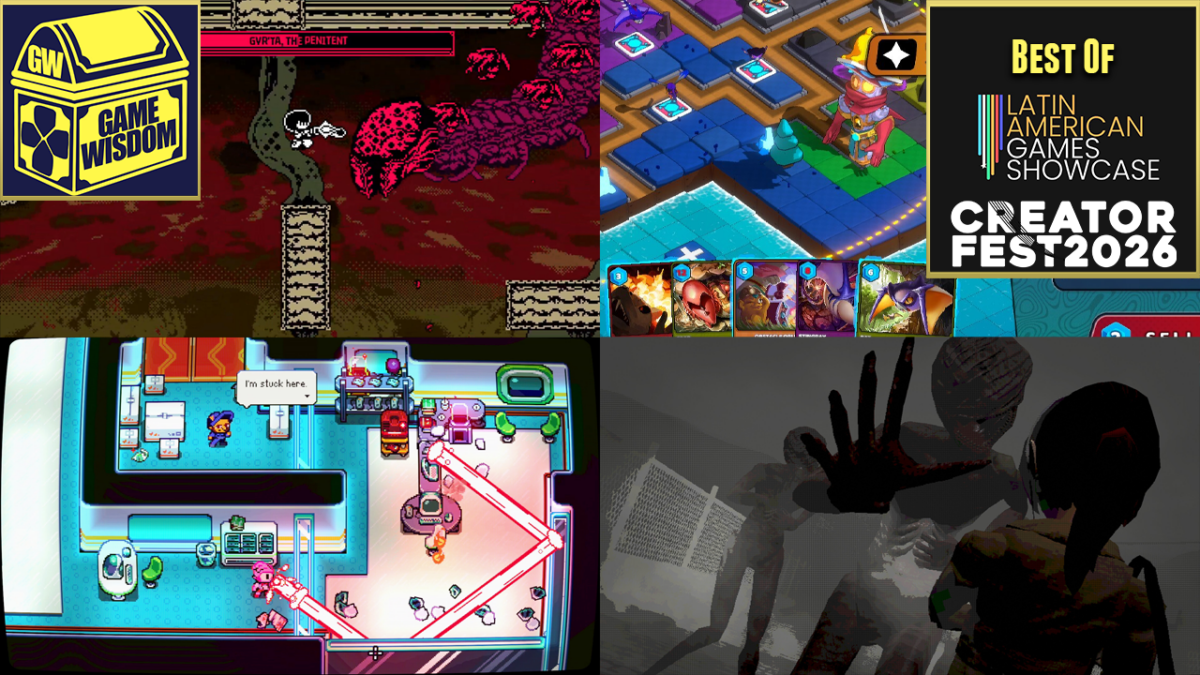
This is my (Josh Bycer’s) coverage of the Latin American Games Showcase from October 2026, all games shown are either demo builds or creator fest access.
Owner of Game Wisdom with more than a decade of experience writing and talking about game design and the industry. I’m also the author of the “Game Design Deep Dive” series and “20 Essential Games to Study”
Owner of Game Wisdom with more than a decade of experience writing and talking about game design and the industry. I’m also the author of the “Game Design Deep Dive” series and “20 Essential Games to Study”
Owner of Game Wisdom with more than a decade of experience writing and talking about game design and the industry. I’m also the author of the “Game Design Deep Dive” series and “20 Essential Games to Study”
Owner of Game Wisdom with more than a decade of experience writing and talking about game design and the industry. I’m also the author of the “Game Design Deep Dive” series and “20 Essential Games to Study”
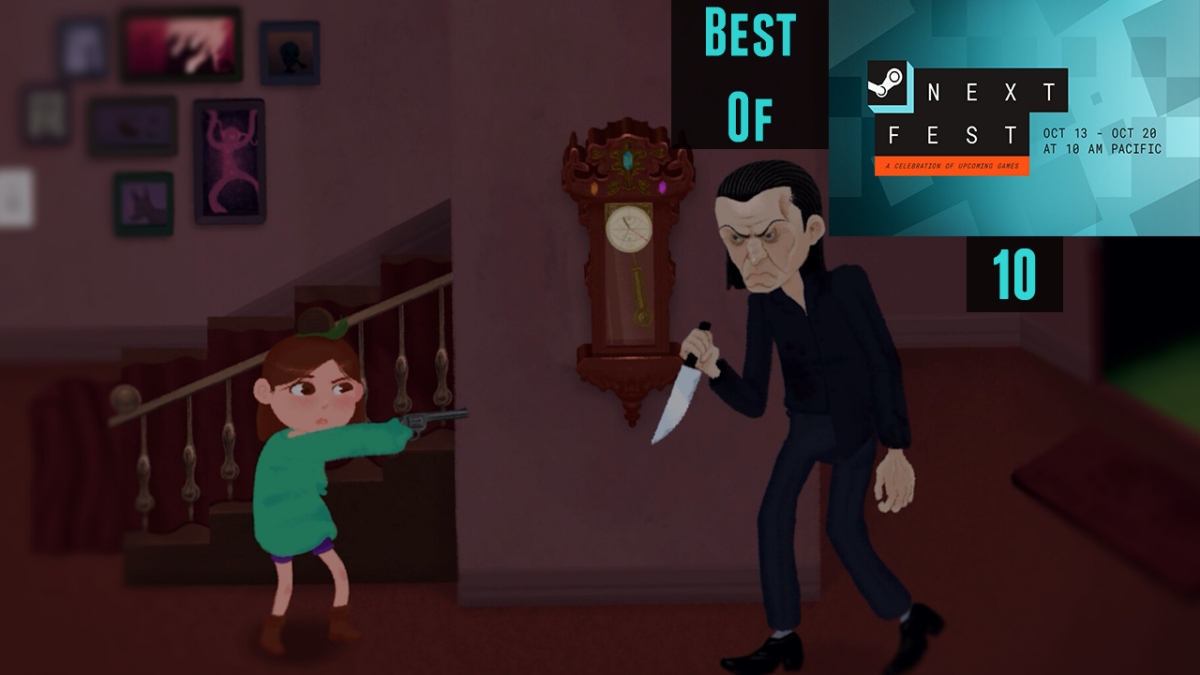
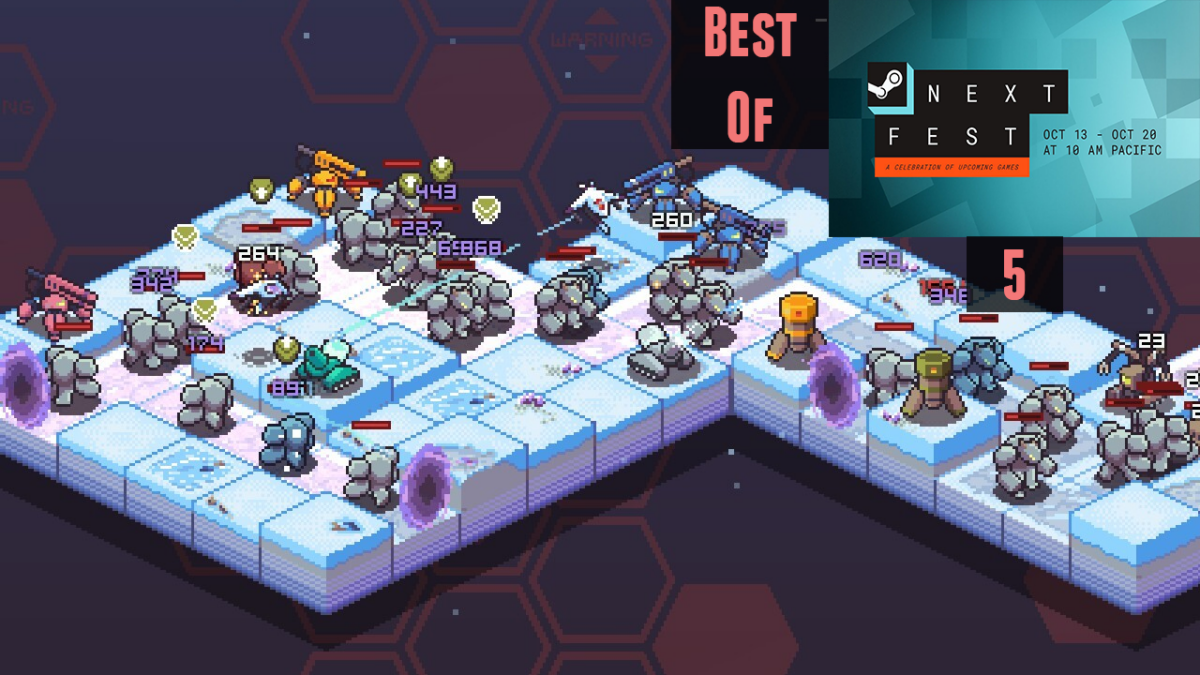
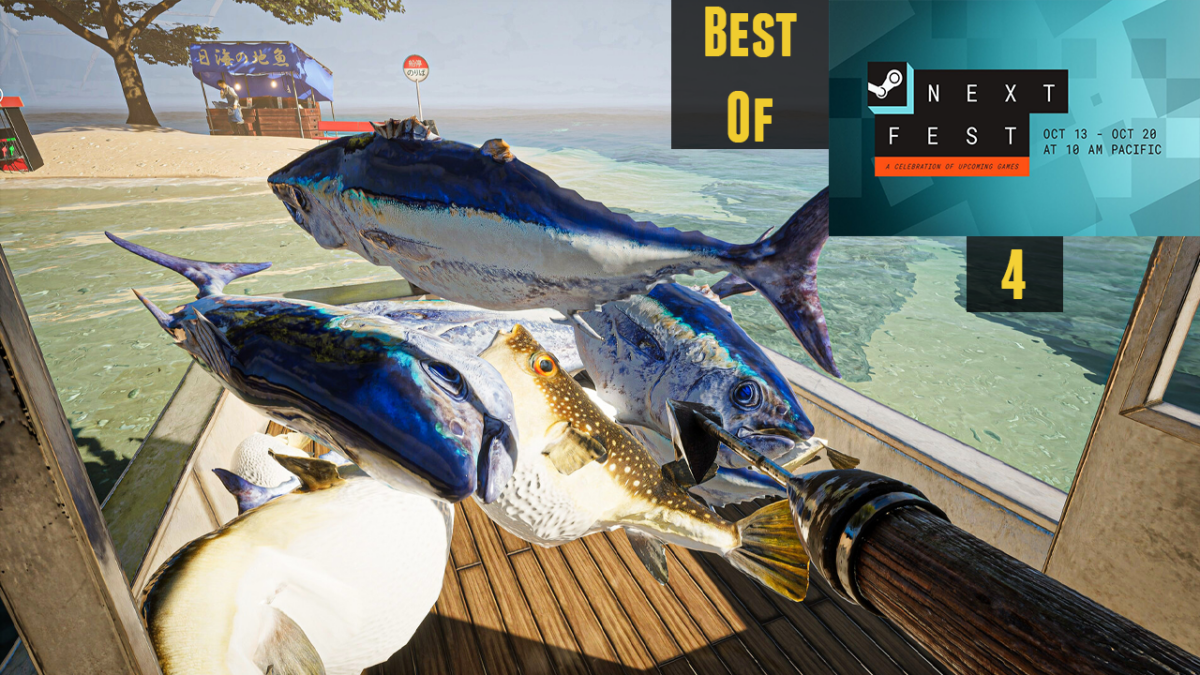
Part 2 of my (Josh Bycer’s) favorite demos from Steam Next Fest October 2025 edition. EDITOR’S NOTE: is that a certain bobcat we all know in the preview image?
Owner of Game Wisdom with more than a decade of experience writing and talking about game design and the industry. I’m also the author of the “Game Design Deep Dive” series and “20 Essential Games to Study”
Owner of Game Wisdom with more than a decade of experience writing and talking about game design and the industry. I’m also the author of the “Game Design Deep Dive” series and “20 Essential Games to Study”
This post isn’t about any game specifically, but rather about an awesome Substack blog, Rings of Saturn, that examines the code of games from what they call the “32-bit era,” around the time of the Saturn to the Playstation 2, which includes the original Playstation, Dreamcast, and Gamecube, with a handful for the Nintendo 64, 3DO, Xbox and even the PSP along the way. They load them up in like Ghidra and search for unpublished codes, they look through demos and prototypes for ways to unlock features (sometimes ones that aren’t present in the finished game) and they make hacks to make unreleased features usable. All are very worthy activities that should be of interest for the kinds of people who would visit Set Side B. (You know who you are.)
Owner of Game Wisdom with more than a decade of experience writing and talking about game design and the industry. I’m also the author of the “Game Design Deep Dive” series and “20 Essential Games to Study”
Owner of Game Wisdom with more than a decade of experience writing and talking about game design and the industry. I’m also the author of the “Game Design Deep Dive” series and “20 Essential Games to Study”
Friday night at SGDQ 2022 the TAS Block show demonstrated something special. After a recording of a Portal 2 run that predictably demolished that game, they moved on to a rather more esoteric show.
In past shows, TAS Bot has some off some pretty ridiculous sights, using something called Arbitrary Code Execution (ACE). Essentially, using certain well-understood exploits, the runner (usually, but not always, a set of scripted inputs) writes a sequence of instructions into the machine’s RAM, and then transfers the code execution to that sequence, allowing for “arbitrary behavior,” meaning, almost anything that can be written into that RAM. TAS Bot at AGDQ 2014 wrote Pong into memory during a run of Super Mario World and ran it (6 minutes):
This technique has also been used to run a variant of Flappy Bird, and even a bona fide hex editor into the save RAM of Super Mario World, without even needing scripts, entirely by a human player. But this is beside the point.
There’s several of these videos, which I leave it to you to search out. They’re pretty easy to find on YouTube with the search terms “games done quick” and “tasbot”.
The point of this post is to bring you news of how players finally “obtained” the Triforce in Ocarina of Time after 23 years. The video of the show has yet to be uploaded to YouTube (it has been since I wrote this! scroll to the end), but until it shows up, Retro Game Mechanics EX has a video explaining how it was done (34 minutes):