Ack, it crept up on me this time! I’ll have more to say about this soon, but I figured you should know. SGDQ of course is Summer Games Done Quick, the big speedrunning marathon and counterpart to AGDQ.

The Flipside of Gaming

Ack, it crept up on me this time! I’ll have more to say about this soon, but I figured you should know. SGDQ of course is Summer Games Done Quick, the big speedrunning marathon and counterpart to AGDQ.
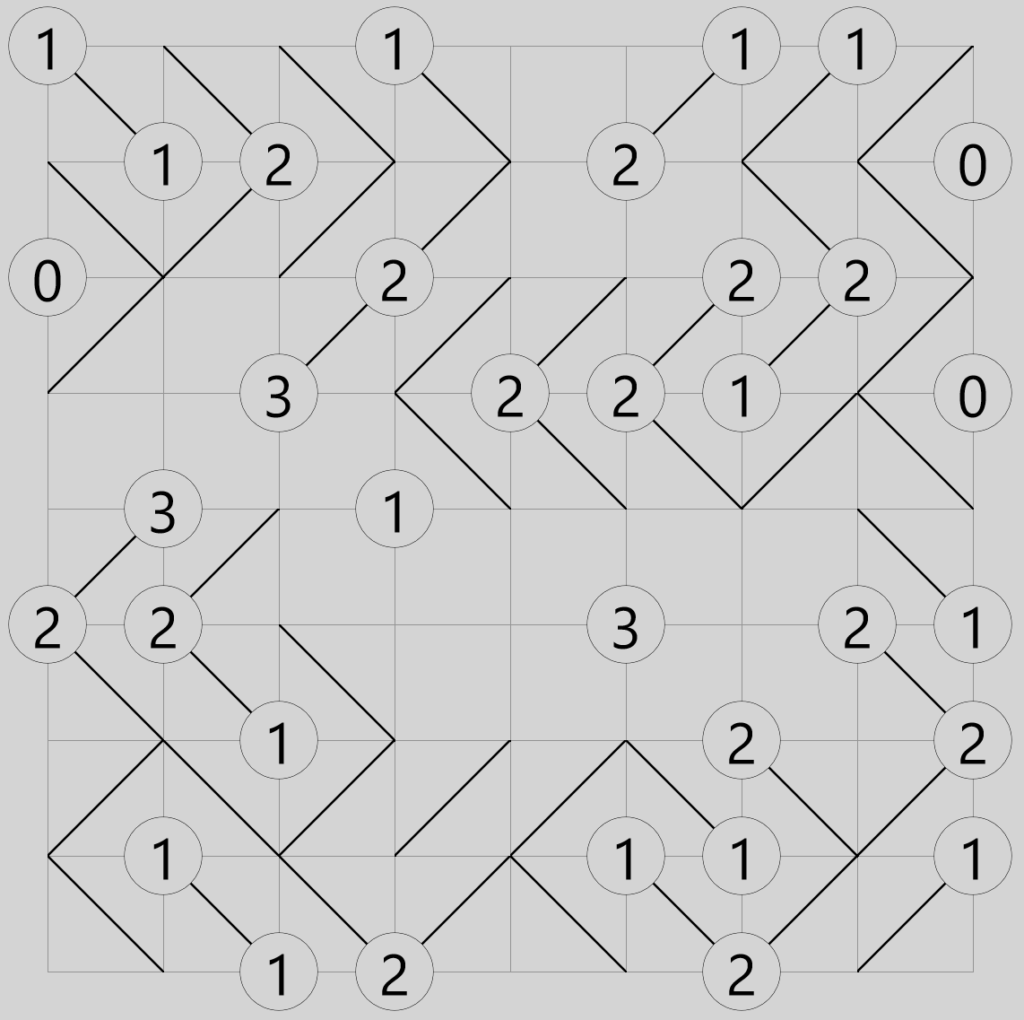
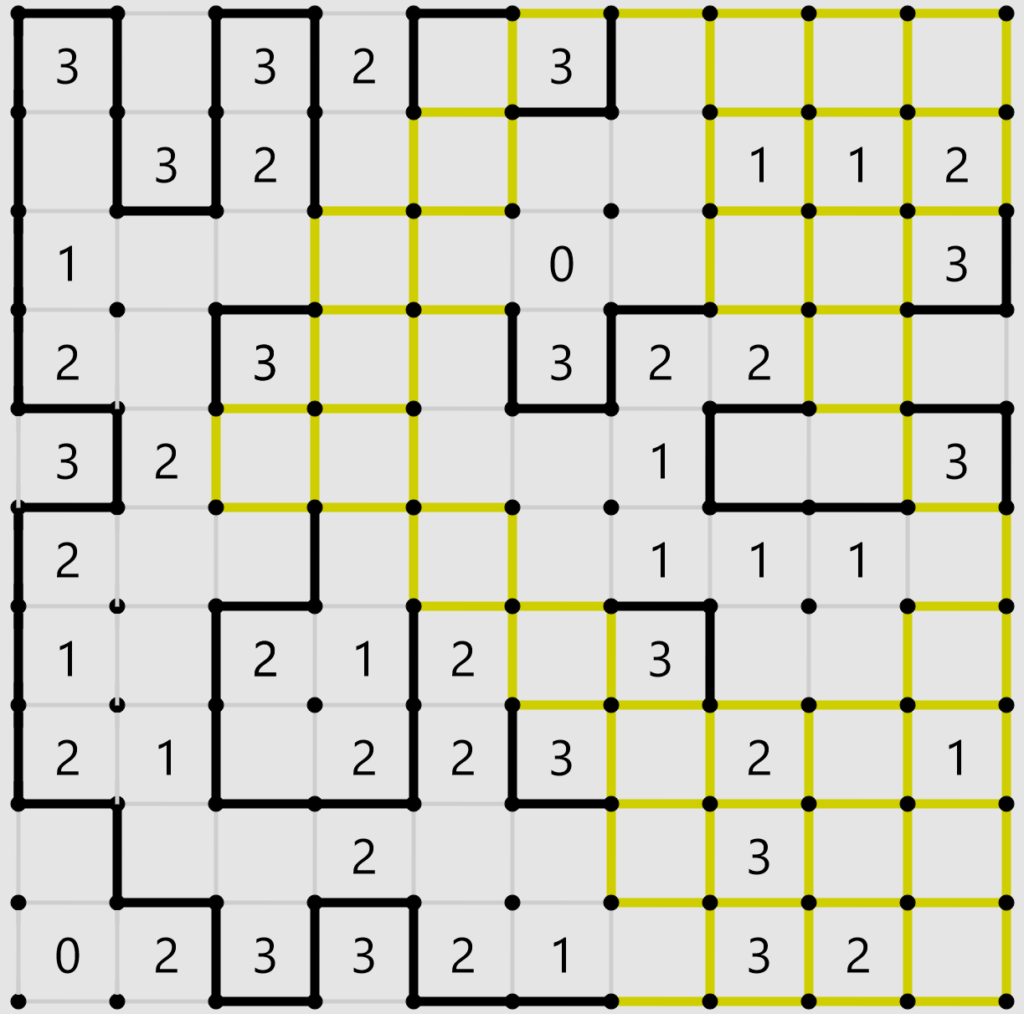
I got a treat for you people today, a genuine treasure of the internet, a collection of forty computer-generated puzzles of wide-ranging types, from Sudoku (called “Solo” because of trademarks) to Minesweeper. And they’re not only all open source and free, they’re free for many platforms. Not all the puzzles are yet available for all platforms, but it’s continually being worked on, with new puzzles added from time to time. It has been for nineteen years; when it got started it only had five puzzle types. It’s one of the best things out there, and I’m amazed it’s not better known generally.
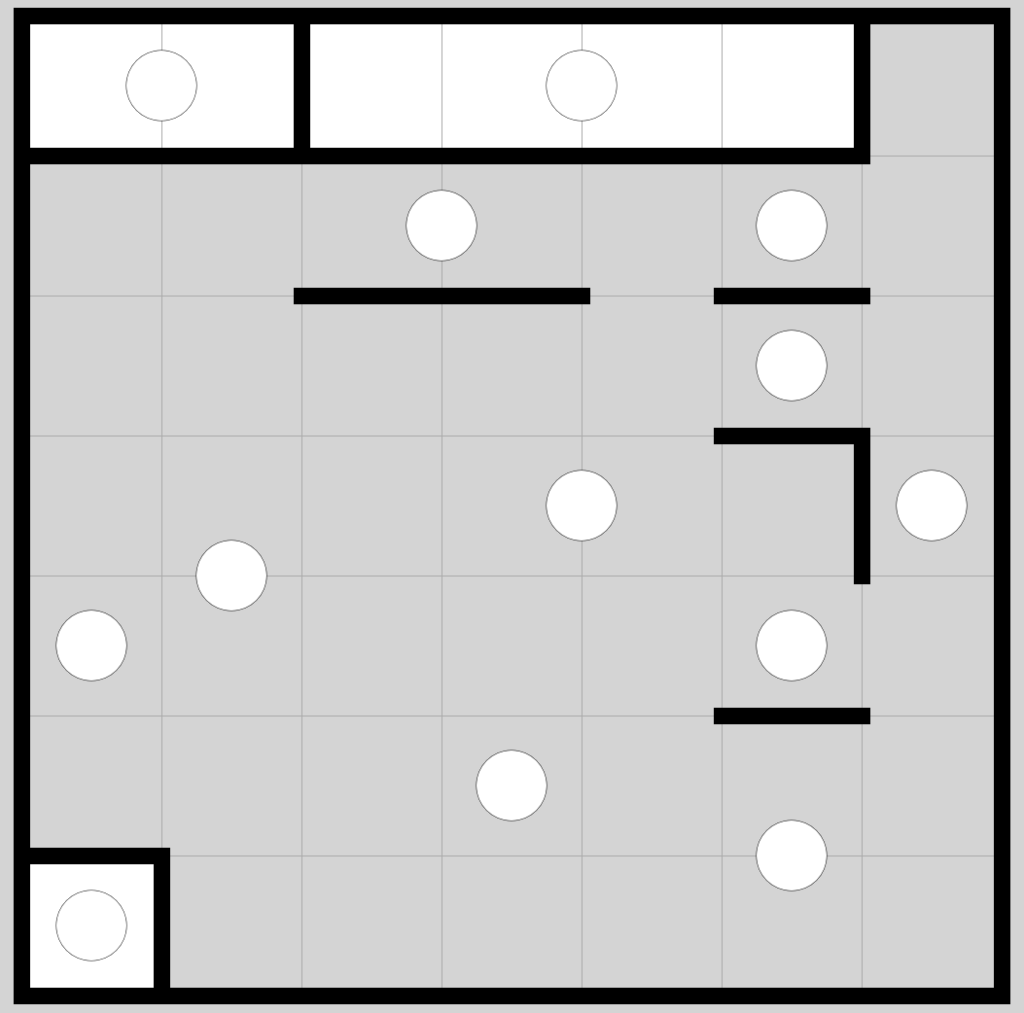
I can’t overstate what a wonder this collection is. All the puzzles are their own executable, if you don’t just play them on the web anyway. Each one of these puzzles offers many hours of happy puzzling. My own favorites are Loopy, Slant, Bridges, Dominosa, Galaxies, Net and Untangle. Most of the puzzles are of a type that should be familiar to fans of the Japanese puzzle magazine Nikoli, but they’re all randomly generated, and playable on multiple difficulty levels.
If the name Simon Tatham sounds familiar, he’s the guy who also created and maintains the popular networking tool PuTTY.
Here’s the links, all of these are free:
Simon Tatham’s Portable Puzzle Collection main site, which has implementations for Java, Javascript and Windows
Here’s some other HTML implementations

For iOS on the Apple App Store
In the Debian and Ubuntu package repositories (and it should be available in your own distribution’s repository, too)
And here it is for Windows again, but distributed through Chocolatey
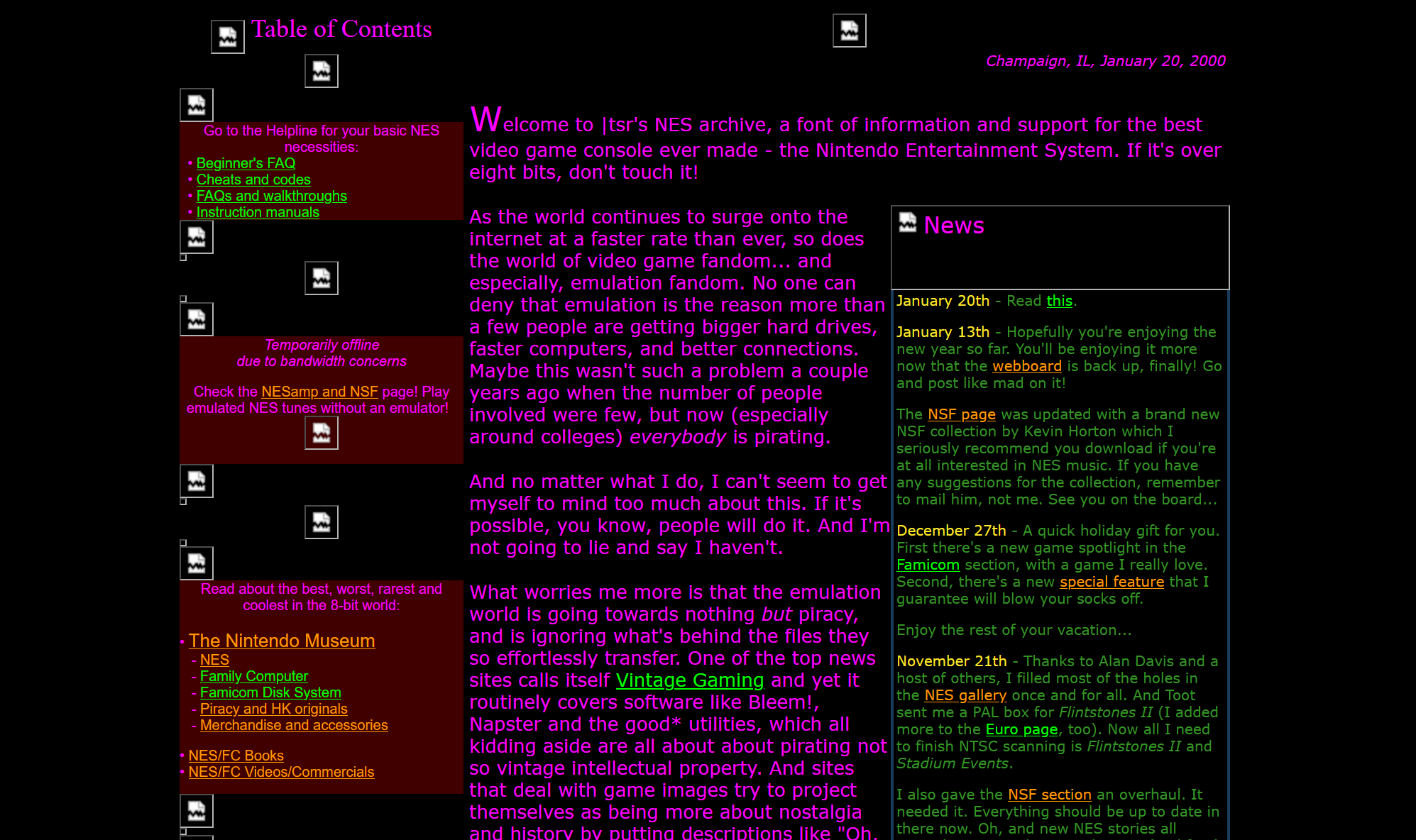
It’s been a long time… before Hardcore Gaming 101, before Kotaku or the Angry Video Game Nerd, before 1UP, Joystiq and a bunch of other sites still living and defunct, there was |tsr’s NES Archive. While it only lived for four years, hasn’t updated in 23 years, and all of the images are broken now (a huge shame for some of the features), it’s still online, still ready to give you their humorous take on old video games. Long may it continue beaming out its snarky message. Consider that the time between when the NES was released, 1985, and |tsr’s archive shut down, 2000, was only 15 years. And that time isn’t getting any longer, while the time since it shutdown is. I’ve said it a lot here lately, but: time is cruel.
A few notable features there:
The images, I note, are not broken so much as forbidden access. It’s possible that tsr’s web host, Atari HQ, still has them but has misconfigured the site. Atari HQ is still up, but now seems to only be an aggregator for other sites’ content. I wonder if an email to the right person might restore access to that entire swath of early web and videogaming history, or if they’re completely asleep at the switch?
It’s rather harder to survive the early game, I found, in The Legend of Zelda: Tears of the Kingdom that it was in Breath of the Wild. There are many more enemies, they’re stronger, your weapons are weaker, and there’s a lot more kinds of enemies. I got killed over and over in the early going, while I could engage small groups of Bokoblins pretty easily in BotW. And if you encounter a cluster of Gloom Hands while you still have only four hearts, you’ll probably want to teleport away from there if you can’t immediately climb up out of reach. (What are Gloom Hands? You’ll know them when you see them.)
I wrote up a list of tips for the early game in a MeFi thread, and I realized hey, that’s the kind of content I should be putting here! So here they are. There’s minor early gameplay spoilers here, necessarily.
There is probably little here you couldn’t get from the gaming bigsites, Kotaku and its ilk. But my belief is, if you get this information from someone small, it feels a lot more like a friend is passing along some advice they gained. And after all, the people who have the strategy guides and help articles on those sites probably had the advantage of having completed the game during the press embargo period. I assure you, I had no early access.
Because we not only can’t have nice things, but even the nice things we used to have must be taken from us, Polygon reports that Pac-Man 99, Bandai-Namco’s brilliant battle royale take on the classic arcade game, is shutting down online play October 8th, and the paid DLC and modes will stop being sold even earlier than that.
Pac-Man 99 is part of a trilogy of games with similar concepts on the Switch. Of its siblings, Tetris 99 continues to be playable and its online DLC still available, and Super Mario Bros. 35, Nintendo’s free SMB-based version of the concept, shut down years ago now.
All these games are great, and SMB35’s loss is still keenly felt. I particularly rue it because I was freakishly good at it; I have a screenshot somewhere of the records screen showing a streak of 11 1st place wins.
Pac-Man 99 is really good, and its online mode is free to people with a Switch Online subscription, so please enjoy it while you can.

The news section of the site is on hiatus for the time being, as I’m not sure if anyone reading this really cares about a weekly news roundup (if you’d like to see it return, let me know!), but a post on Kotaku from Luke Plunkett really struck a chord with me, about the awful trend of closing web forums in favor of Discords. I rarely agree with games writing so much.
The switching of game discussion, and even support, from publicly-visible, archivable, Googleable forums and bulletin boards to proprietary Discords is yet one more way that the internet is becoming objectively worse. Everything posted to a Discord will be locked off when the last active link to it dies. It’s a giant black hole to which future internet users won’t have access, and where the scroll rate rapidly makes past discussions into an impenetrable text wall that its search feature is not great at sifting through. It’s an information commode.
Not that there aren’t some advantages to the Discord format, but there are also advantages to Facebook and Twitter. As we’ve seen with both those sites, the disadvantages far outweigh them.
Truth be told, I’m a member of like 40 different Discords (I even started a couple of them), dedicated to a plethora of topics, by necessity, and it’s always a hassle to sort through them, seeing as the list isn’t even presented as a list of titles, just of at-times maddeningly obtuse icons. Discords have their place, ideally for small groups of members, maybe topping out at a couple dozen. If your group has hundreds of members, consider that there are probably better answers, ones that don’t require that a user install special software to their devices to communicate with you.
Stop. Closing. Forums. For. Discord. (Kotaku.)
As you read this, Tears of the Kingdom, the ludicrously anticipated latest sequel to The Legend of Zelda and direct followup to the most popular Zelda game ever made, Breath of the Wild, is just being released. Yes, I pre-ordered my copy.
I say Breath of the Wild is the most popular Zelda because of sales figures. At over 29 million sales it far outstrips the previous best-selling Zelda, Ocarina of Time, at 14 million. The third best-selling is actually Link’s Awakening, but only because of the Switch remake. The original Legend of Zelda is down in 7th place.
Given that the game was leaked early and hackers are already combing through it and seeking to repurpose its assets for their own use (and godspeed to them in their efforts), I thought we might do a link (heh) roundup of a category of Zelda fanwork that would be impossible without their efforts: randomizers!
Zelda Randomizer and Zelda II Randomizer were two of the earliest randomizers to achieve high popularity, and they’re still probably my favorites. Zelda II Randomizer will even remake the overworld, a scrambling of the original game that few randomizers will dare try. Infinite Hyrule will redesign the overworld of the original game, and it’s compatible with the main Zelda Randomizer so you can remake that version as well. (I’ve linked to ZR and IH in the past.) Together, they’re as a long-time NES fan can get to the experience of playing the original game, before all of the secrets were discovered.
There’s two especially notable Link to the Past Randomizers, both implemented as web applications. A standard one, and a really fancy one that combines it with Super Metroid into one glorious trainwreck of a game.
There are also randomizers for Ocarina of Time, Majora’s Mask (especially interesting given that game’s unusual structure), a version that combines both Ocarina and Majora into a single game and randomizes their fusion, a couple for Link’s Awakening, Wind Waker, Twilight Princess, Skyward Sword, and for both the Switch and Wii U versions of Breath of the Wild.
There, that oughta hold you for long enough for me to play a bit of TotK. See you tomorrow! Probably.
The narrator has a moderate case of Youtuberitis (symptoms evident: over-gesturing with hands, annoying shtick; absent: ending sentences in an undertone like they were John Cleese playing a TV presenter), but it’s still an interesting and even informative video about making software, and hardware, doing things they really weren’t designed to do.
One piece of the puzzle for getting this insane project working was Linux on Wii; another piece was the fact that the Wii and late versions of Mac OS Classic both use PowerPC processors. It doesn’t work perfectly, but as they say, it’s amazing that the Nintendog talks at all.
This one’s coming to you from some years back. Ginormo Sword, by Babarageo back in 2008, a Flash game that’s playable once again via Ruffle. It is one of a small, but gratifying, genre of games where you start small and just get bigger and bigger and bigger, and part of the fun is just seeing to what extremes the game supports you going.
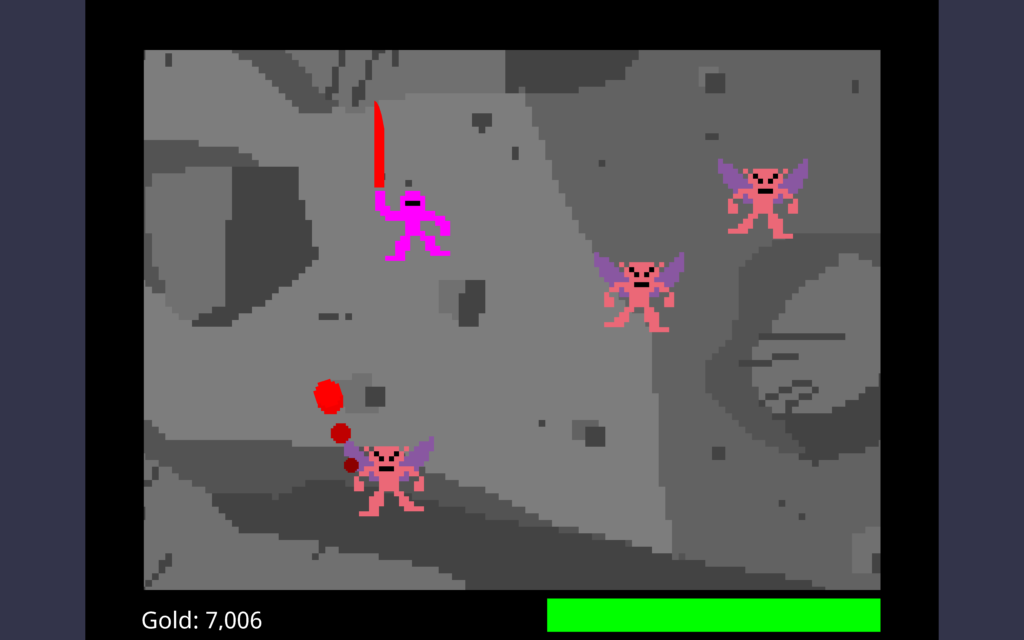
Games like Dungeons & Dragons pay at least lip service to realism, less so now than its origins, but it’s still there. There are limits, both theoretical and practical, to how far characters can gain levels, can gain statistics, can gain hit points, and that makes sense. For even Superman, when it comes right down to it, is still a roughly humanoid creature of a bit over six feet in height. If he were in the same comic universe as Galactus, it would defy credibility if this vast being were stopped by what to it was an amoeba.
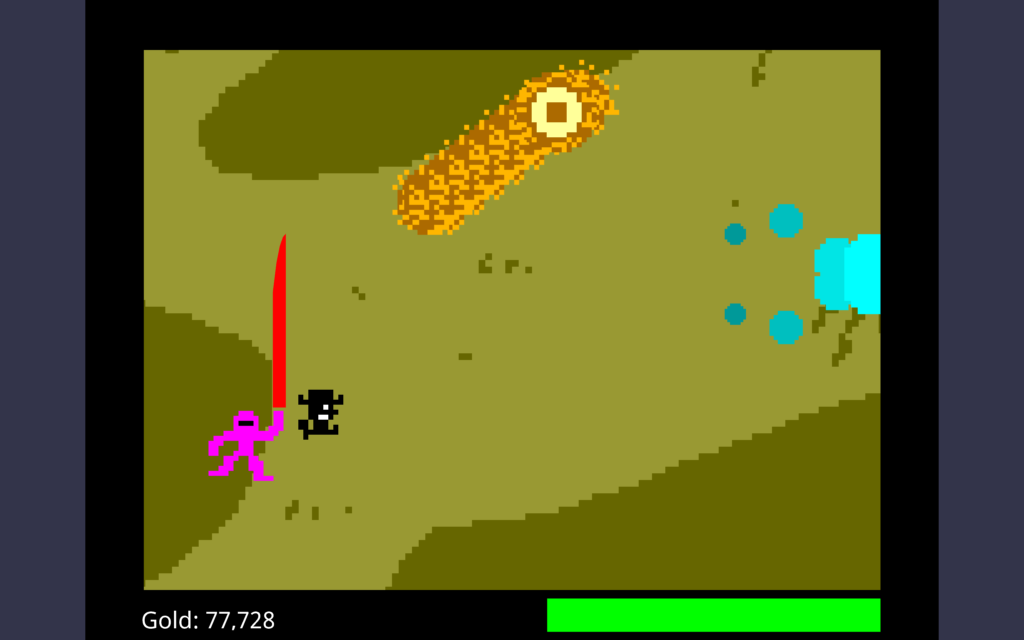
Ginormo Sword is what you get if you peel back these limits, and basically say, if you can earn the cash for it? You can do it. There are limits, but the game goes to ridiculous extremesbefore you run into them. It’s basically an “incremental game,” like a clicker, but in a different format. See for yourself.
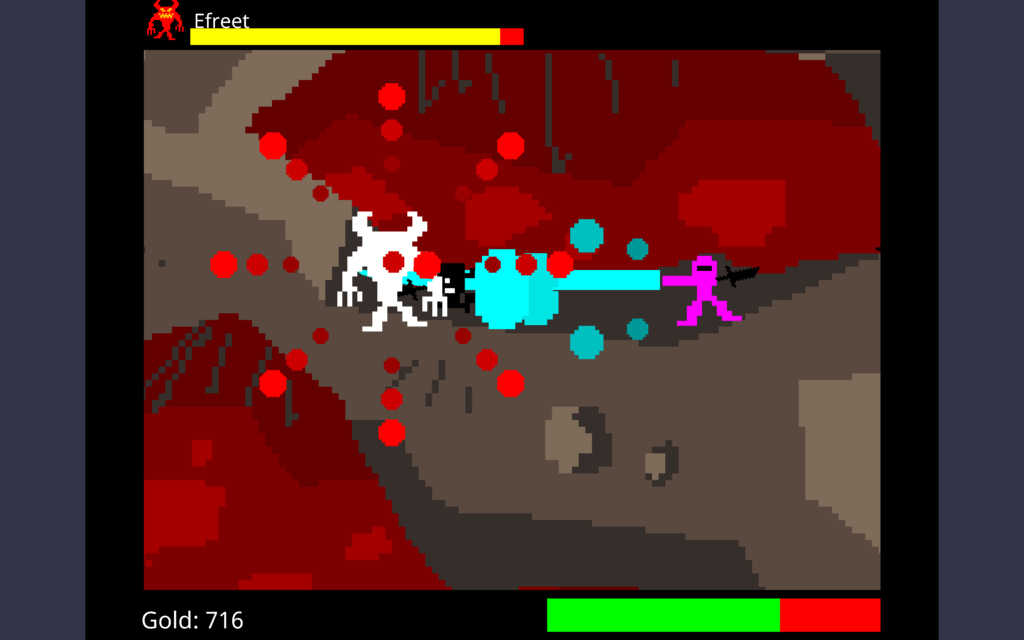
Ginormo Sword (browser playable, $0)
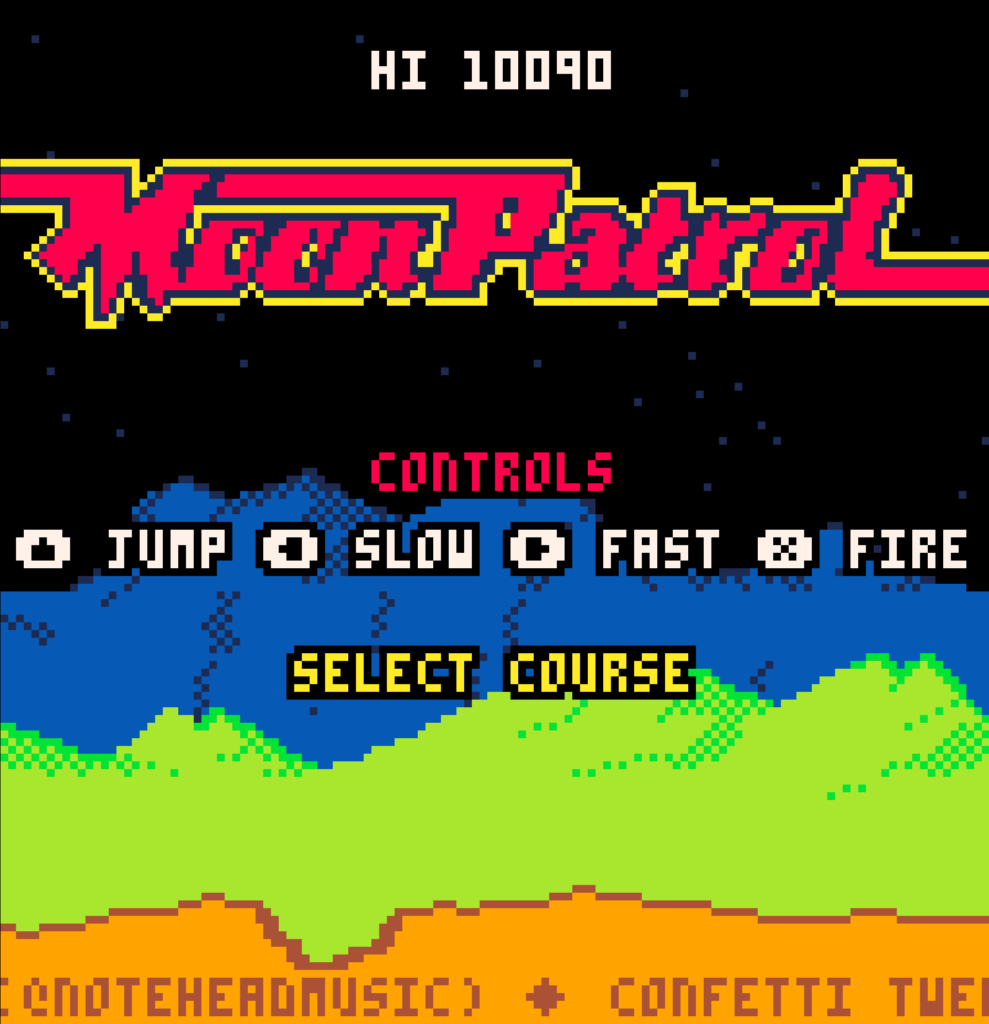
The Pico-8 is the most popular fantasy game console by a wide margin. We’ve already linked to Josh “cortex” Millard’s Ennuigi, which is notable enough to have its own Wikipedia entry.
Ennuigi was more of an extended joke than a game, though, while Pico-8 Moon Patrol is no joke; it’s substantially harder than the original arcade game, putting you up against harder obstacles earlier. Sometimes it doesn’t feel fair when a flying saucer drops a bomb at such an angle that neither speeding up nor slowing down could have avoided it in time, although it’s possible, in this version, to shoot down the bomb before it strikes you.
Give it a try! This video is my best run to date, getting through the first three sectors:
pahammond’s Moon Patrol for Pico-8 (lexoffle.com)
It’s three years after the release of Animal Crossing: New Horizons, famously introduced to a human contact-starved world right when efforts to contain Pandemic 2020 were at their height, unlike now when the world has largely decided to let the immuno-compromised fend for themselves. This isn’t the place to say what I think about that, but it is the place to write something that, had it been known in 2020, might have helped people out a lot.
The following is paraphrased from my Mastodon thread on the matter.
Every day, the game hides up to 10 100-bell coins, 5 wasps nests, and 2 random furniture items in trees on your island.
If you care about finding any of these things, there is a way to make the game put them where you want them. Selling wasps and items made from nests can bring in about 10,000 bells a day. The furniture can be given to villagers to help increase friendship. The coins aren’t worth much, admittedly.
Doing this, you can easily get the items you want each day without searching among all your trees. I use it to get the two random furniture pieces each day.
To make this trick work, you must have _exactly 17 non-fruit trees on your island_, enough to generate all the randomly-placed tree items. They can be cedar or other, plain trees.
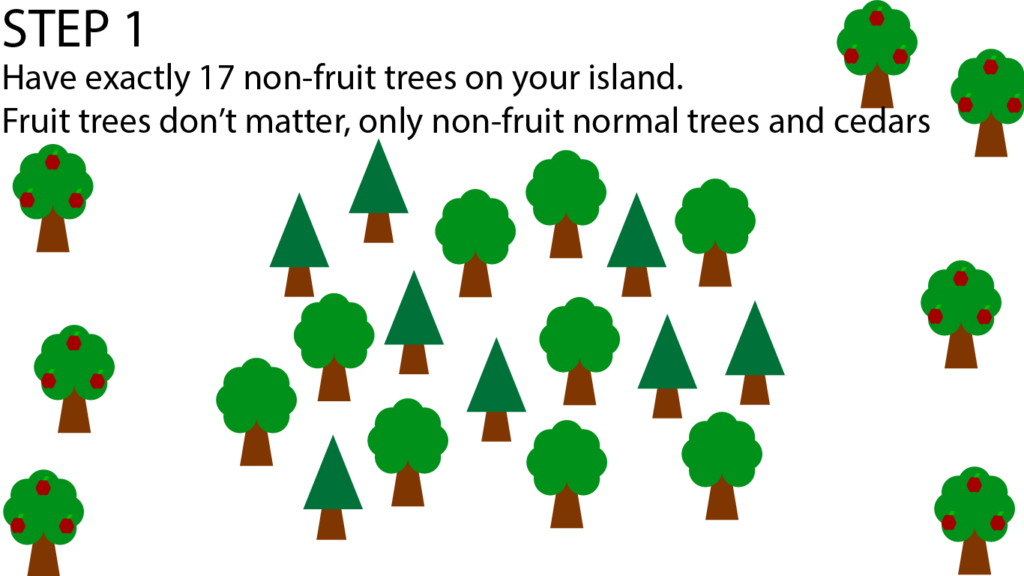
If you don’t discover one of these items on a day, it’ll be left there for following days. It only places new items if the old ones haven’t been discovered, up to the maximum of each type. The trick relies on this fact.

Decide which of the categories of items you want to lock down the location of. Starting from that location, shake each tree until you find one of the objects you care about. In the example images I use furniture (the leaf icons), since those are a type of item it’s useful to search for quickly. You’ll probably want to have a net on hand, and maybe some Medicine, in the likely event you find one or more wasps’ nests.

Once you found the kind of item you want, stop shaking trees for that day. On the next day, all of the items you discovered will be found among the trees you shook that day, just in different places. Now, shake only the tree you want the item to appear in. If it’s not the item, keep shaking the trees you had shaken before until you find it. With luck, you’ll find it before you shake them all. Now stop shaking trees again.

Doing this day after day, you can get the item narrowed down until it appears where you want it to be generated. Once it appears there, stop shaking for that day, and then don’t shake it again on following days. Start over with another of the type of item you want to narrow down.

By working like this, probably within a couple of weeks you can get all the items you want generating where you want them. So long as you don’t shake any other trees, those will always produce the ones you want. If you shake other random trees, you’ll introduce uncertainty into what’s generated.

In this way, I have produced two trees that always produce furniture every day, generally without fail. This trick has been tested for months on my island.
The only drawback that I can find is, a couple of seasonal events (Christmas and Easter) are known to disrupt it, since they can repurpose some of your trees as non-random types for a little while. When the event ends, you’ll probably have to set it up again.
I had originally scheduled a post on this for a couple of weeks ago, but WordPress gained what I will euphemistically call a personality at that time, and the post developed a “critical error” whenever I tried to edit or view it. I kept pushing it back in the hopes of being able to figure out what was the trouble, but the trouble refused to be be figured out. So eventually I just remade the post.
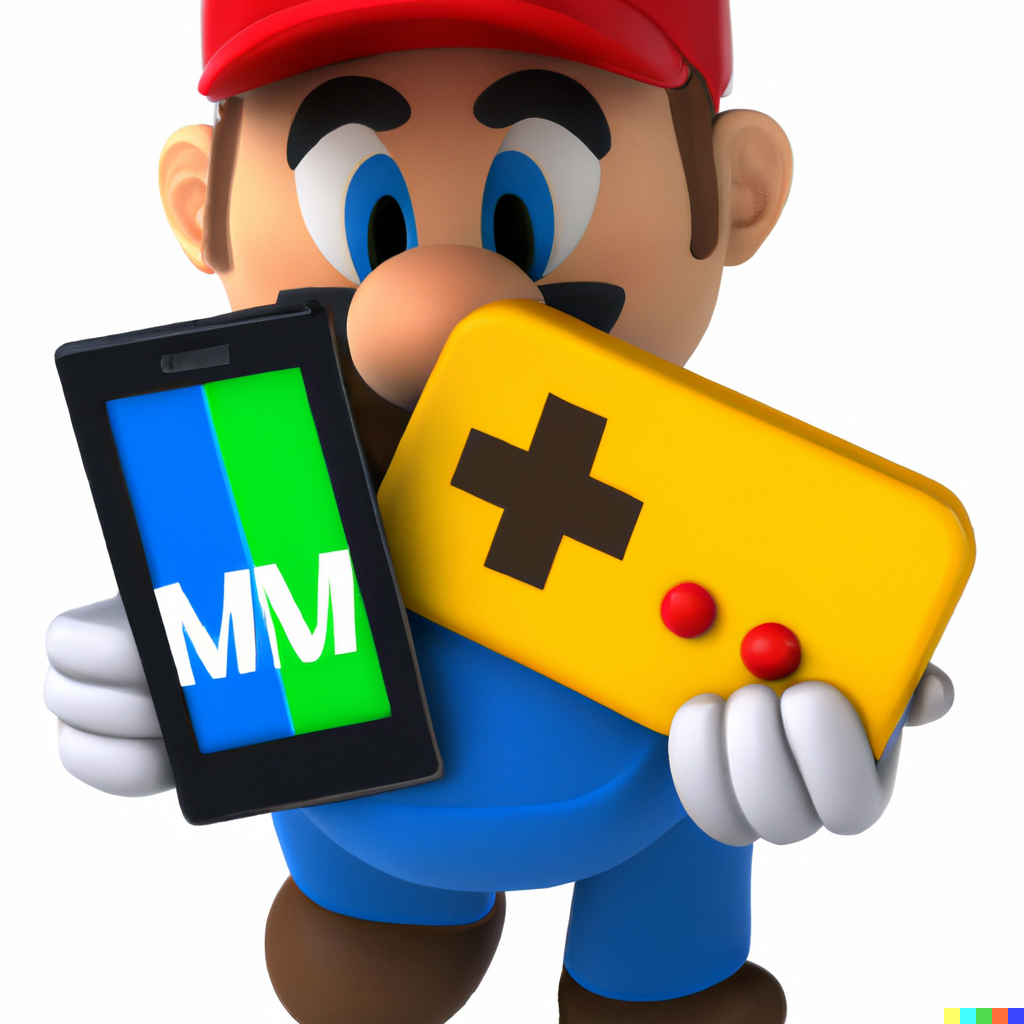
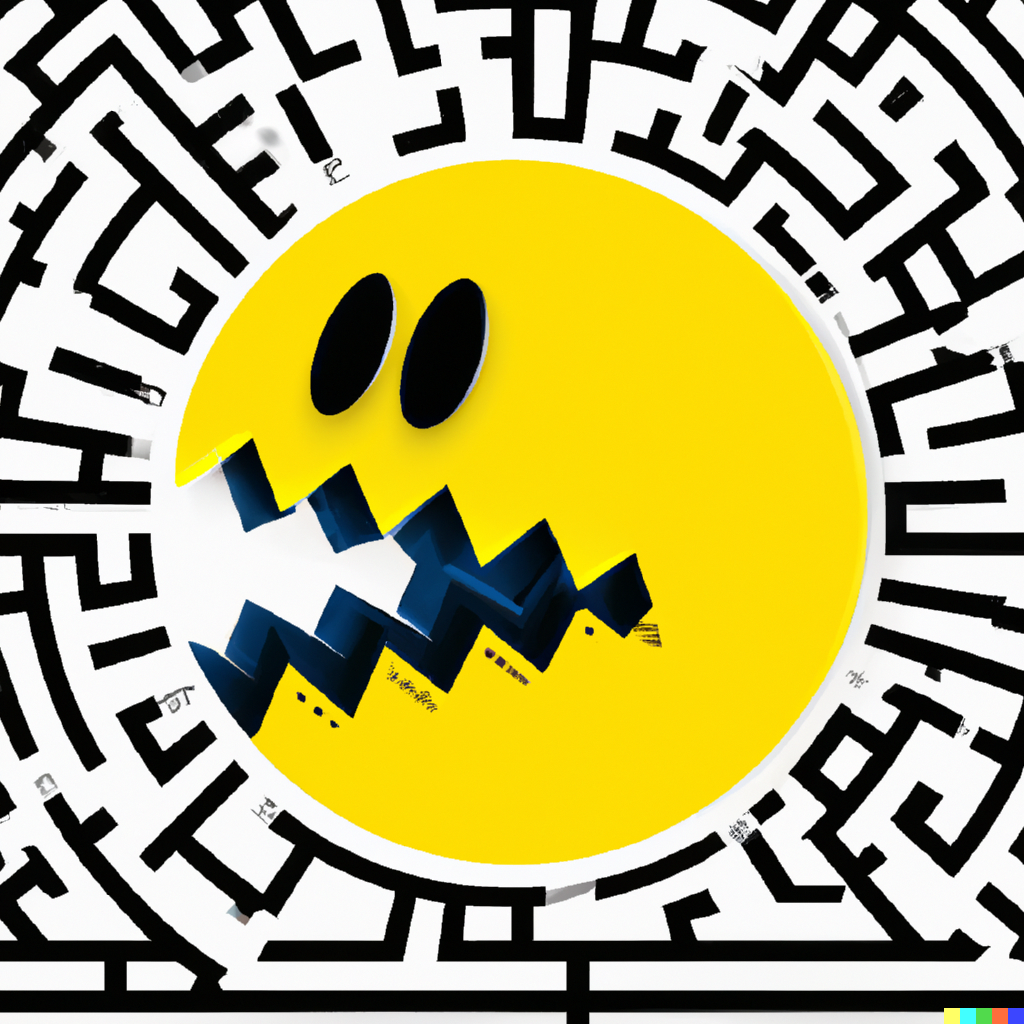
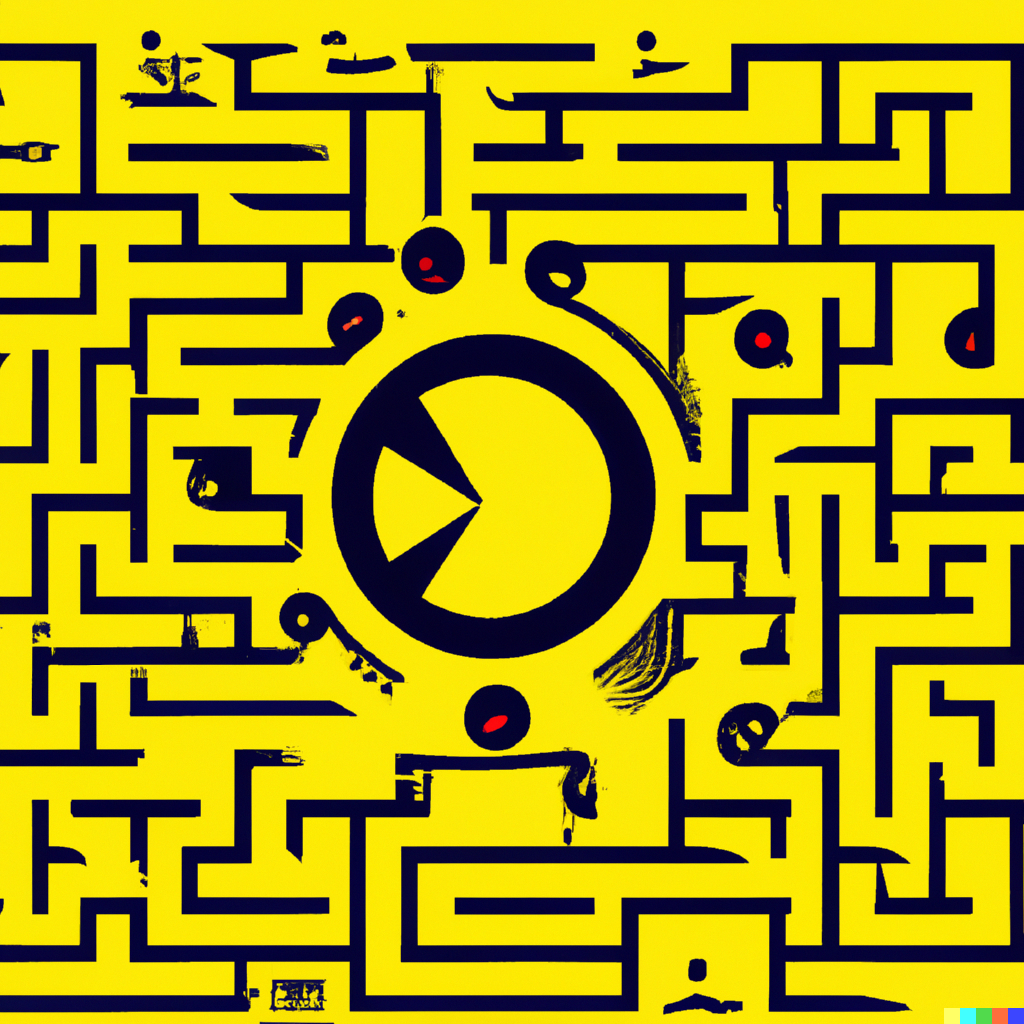
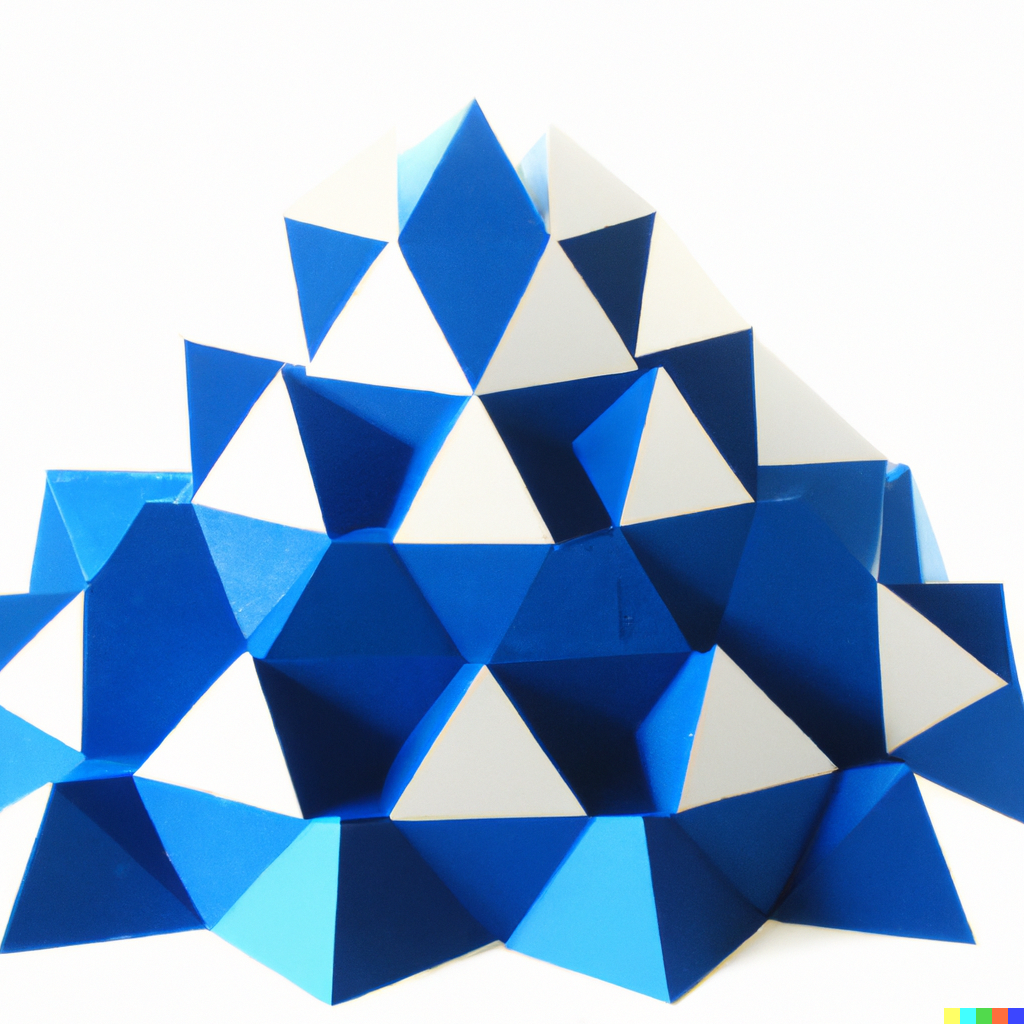
Whether it’s intentional or not, if you ask Dall-E to depict a number of classic video game characters or elements, it’ll show itself to be surprisingly clueless. Here’s what I got from it: