DragonCon 2026 Aftermath

Well another DragonCon is done for the year. I currently sit in the Westin, a high class hotel I ordinarily could never afford, here after the con has concluded only by the grace of a roomshare, a bunch of people who chip in for a room together, an arrangement I think is ordinarily against the rules, but hotels put up with because it ultimately gets them more business for a thing like DragonCon.

DragonCon bills itself as “the largest multi-genre and pop culture convention in the world.” That may seem artfully put, and it may be, but DC casts a very wide net of subjects. A few examples, it hosts an “Apocalypse Rising” track of world-ending fiction, a Military Sci-Fi track in addition to tracks for general sci-fi, Star Trek and Star Wars, a Digital Media track, a British culture and media track, Anime and general animation tracks, a puppetry track that’s a lot of fun, and much more.

DragonCon crosses with this blog’s umbrella via the Video Gaming track and associated events, including two arcades, a console gaming space, and (though it takes a bit of exploration to find) a couple of installations of Artemis Cosmos, formerly known at the Artemis Starship Bridge Simulator.

The Electronic Frontier Foundation is not directly involved, but has a relationship with Electronic Frontier Georgia, and they maintain a small but informative presence there. Yet while there is are fair number of game-related activites there DragonCon is not generally thought of as one of the big video gaming conventions, in a field containing the PAXes, or even Southern Fried Gaming Expo, which takes place in the same city a month earlier, and has hundreds of video arcade and pinball machines.

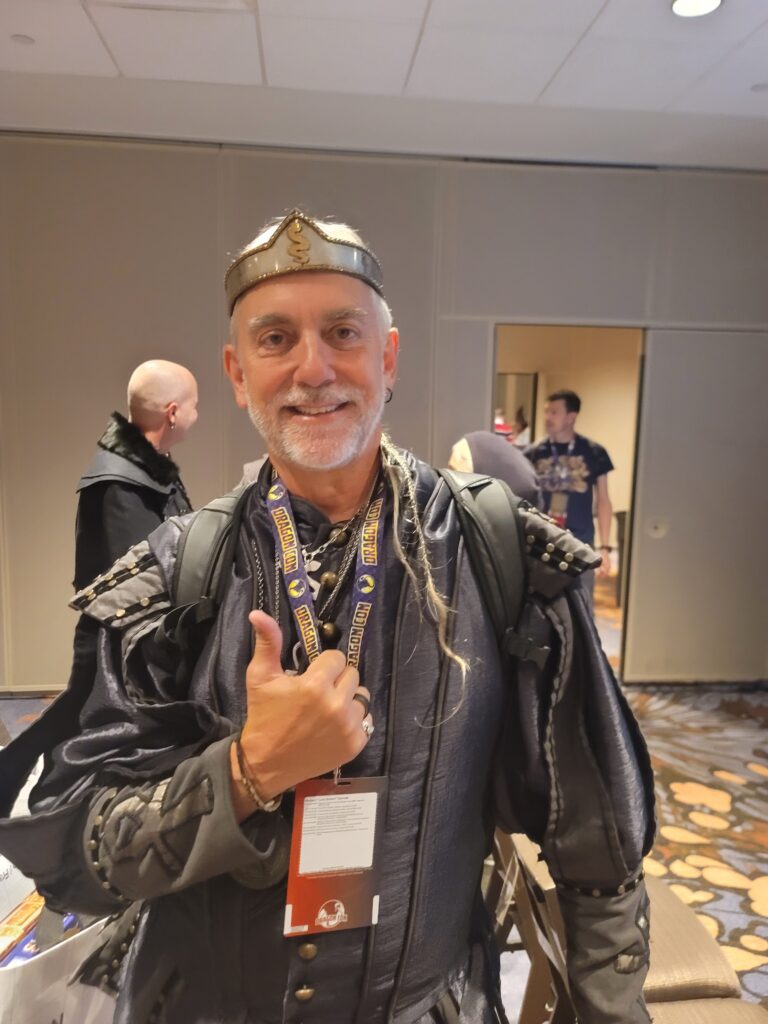
This was the 40th anniversary of the convention, which had 80,000 attendees in 2017, and fills five hotels and multiple floors of two other buildings besides. This year they hosted Richard Garriott, a.k.a. Lord British, who was involved in multiple panels. Garriott was in fact a guest at the first DragonCon back in 1987, and has returned occaisionally since. I met him at one of his panels, and he said he’d answer my questions via email. I haven’t written them yet, and when he sees the kinds of things I ask he may have second thoughts about it. We’ll see.

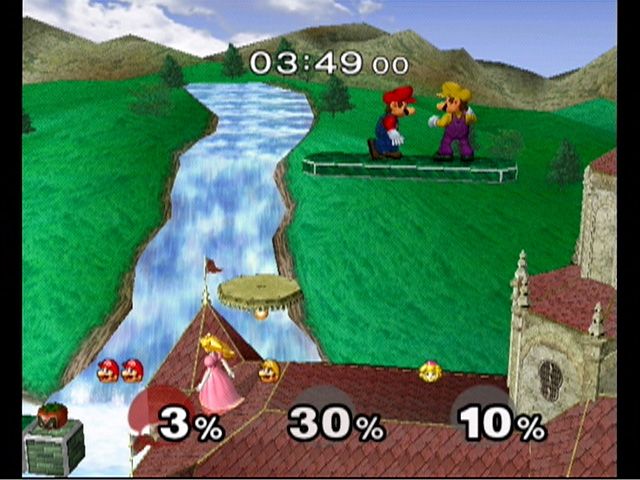
Stephen Seitz once again ran his multiple Gamecube gaming panels at night, where people could pop in to play video games like Smash Bros. Melee and the original Kirby Air Ride, set up to play using the Gamecube’s little-used LAN mode. Air Ride is starting to look a little long in the tooth now, finally, that a greatly expanded sequel is out for the Switch 2, but the original is still very playable.

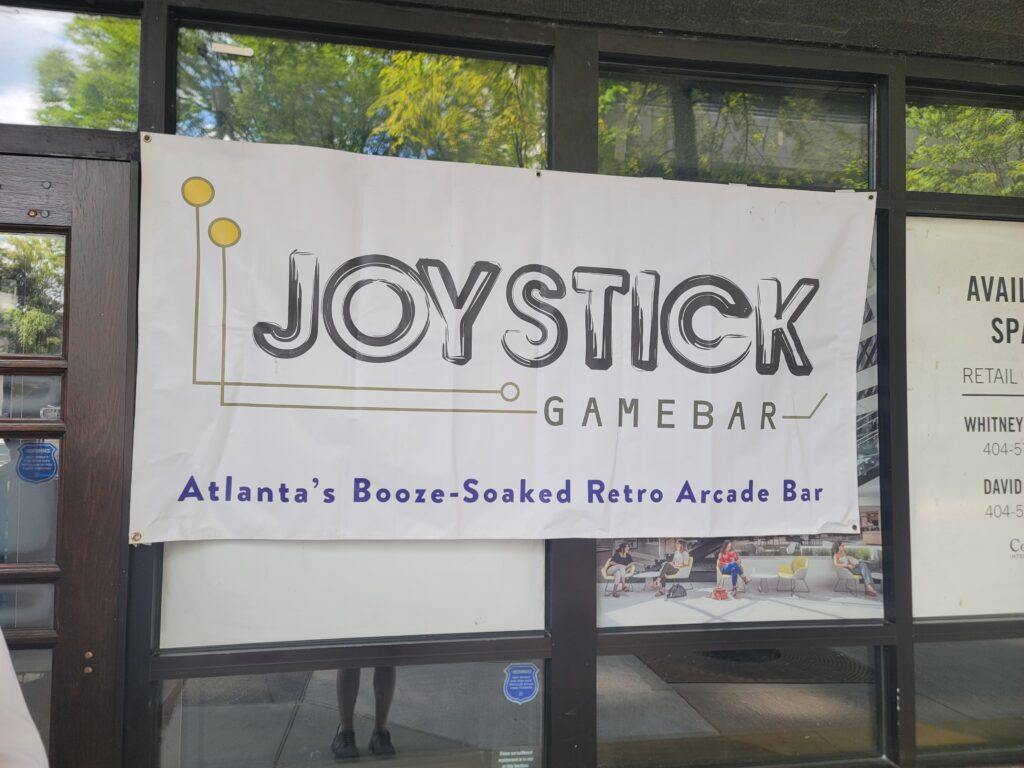
The two arcades at DragonCon this year, as in recent years, were the retro-themed Joystick Gamebar, serving alcoholic drinks and classic arcade games and pinballs, and Save Points mostly Japanese lineup. Of the two I enjoyed Joystick’s more this time. Arcade games at cons often end up a little cursed; for example, the Twilight Zone machine never felt like its flippers lined up well with ramp shots, and the upper flipper was a bit weak making it hard to hit the important Piano shot.

The best-playing pin at Joystick this year was White Water, a classic Williams machine with high risk/high reward play. At one point I had the Grand Champion score on the machine at 524 million, although I got edged out later on. I got to show off Ed Boon’s secret “EJB” menu in Mortal Kombat II a few times to interested players. A few other great games there this time were Joust, Gauntletn Atari Tetris, NBA JAM, Donkey Kong, Frogger and multiple Pac games.

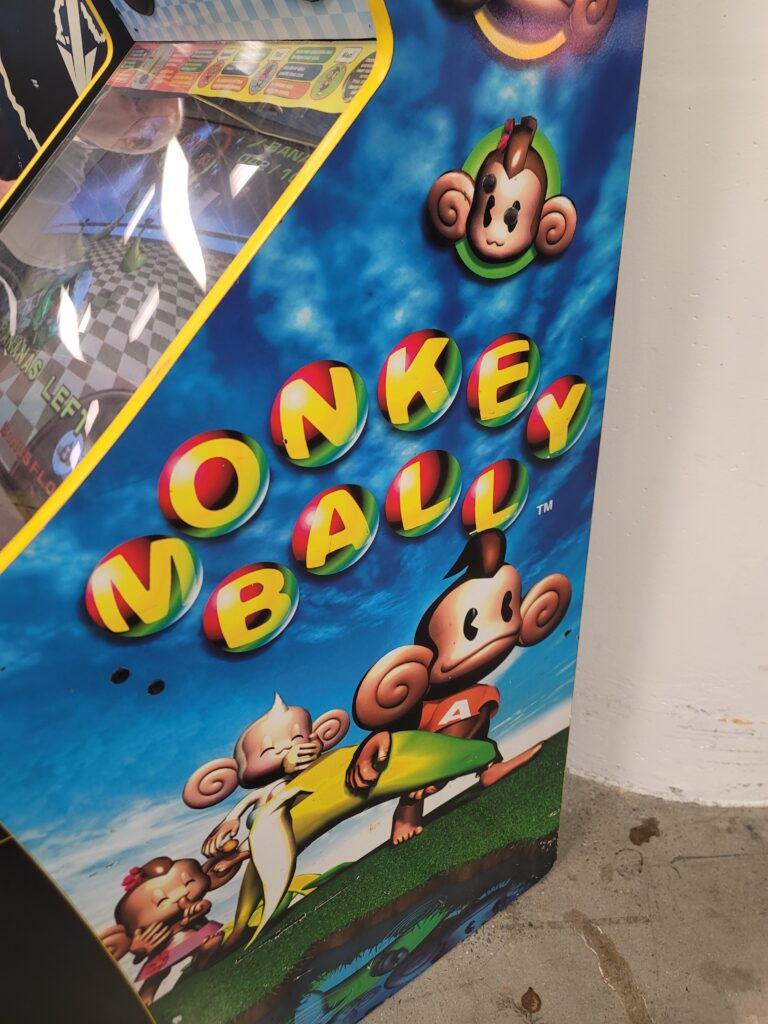
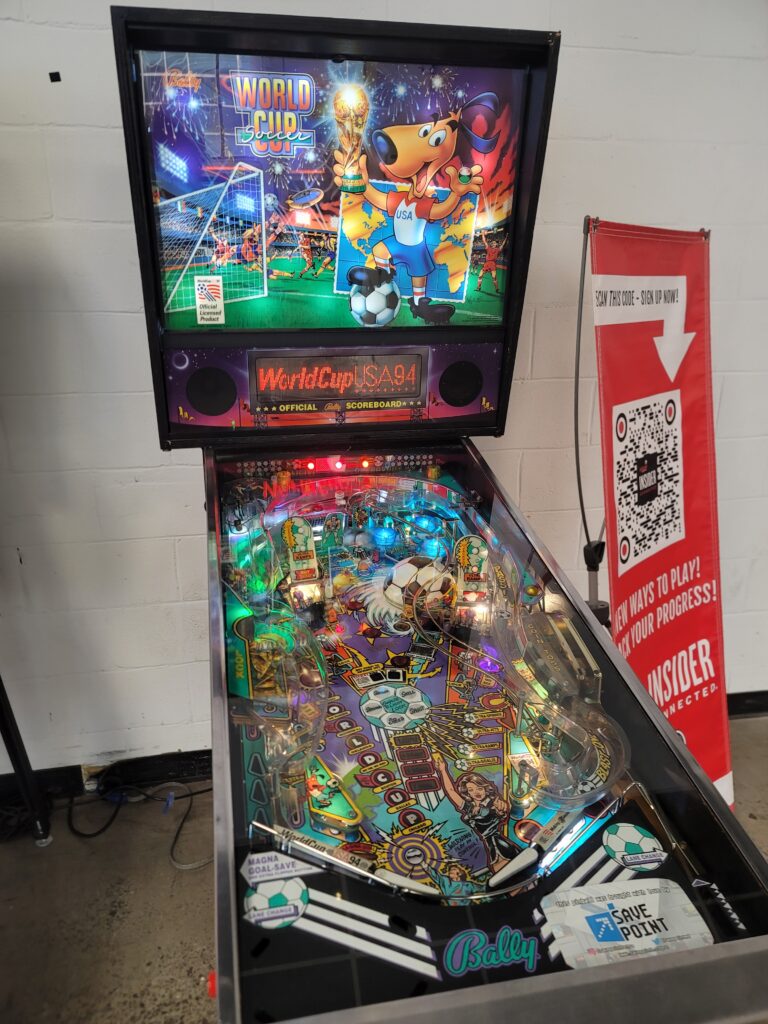
Save Point’s arcade tends to skew heavily towards Japanese rhythm and fighting games, some of them recent, which aren’t my favorite types so I don’t have a great deal to say about them. In previous years they brought out the Japan-only arcade version of Rhythm Heaven, Sega’s weird Cosmic Smash, a Point Blank sequel and, most interesting of all, Rainbow Bombergirl. The most interesting games there this time out were Sega’s Monkey Ball (the predecessor of the console Super Monkey Ball series), a Japanese Tetris game, the original Space Invaders, a sped-up Ms. Pac-Man and, in the arcade area, Bally’s classic World Cup ’93.

Next year my plan is to volunteer in the board gaming and RPG tracks. I hope that I get in for, while I know a number of money saving tricks, DragonCon gets more expensive for me to attend every year. Here are some photos from this year’s convention, with commentary.
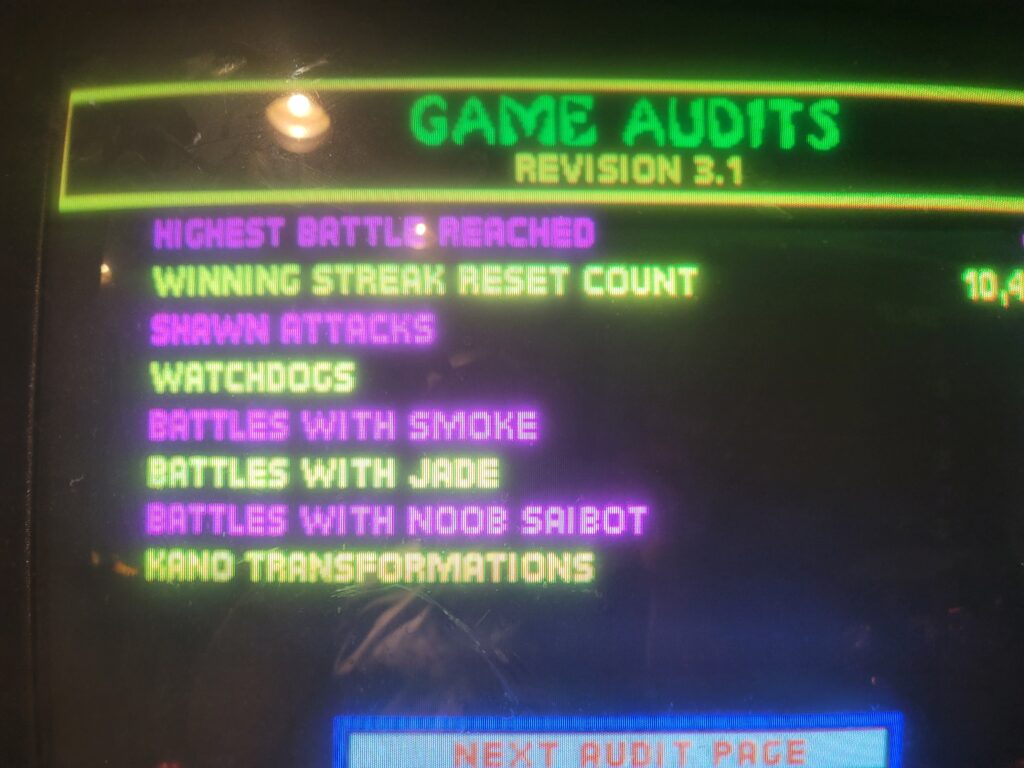
From Mortal Kombat II’s EJB Menu
World Cup Soccer ’94
The ever-charming Richard “Lord British” Garriott, after his talk about his plans for reviving Ultima once he, due to a quirk of copyright law, wrests control of it away from Electronic Arts.
Monkey Ball! They also had The Typing of the Dead, but it wasn’t nearly as well-localized as the English Dreamcast version, and all the text was Romanized Japanese words.
The banner for the Joystick Gamebar, posted on the outside of its temporary location in a defunct Benihana.
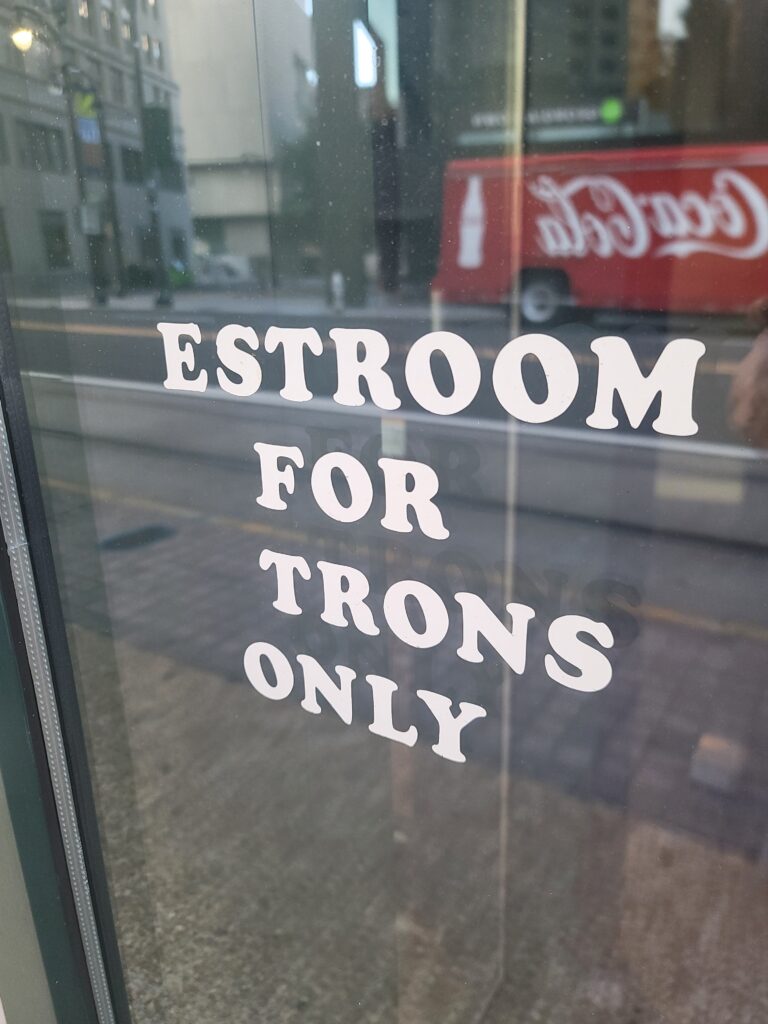
BE ADVISE! ESTROOM FOR TRONS ONLY!

Mr. Game & Watch’s Judge Isn’t Completely Random

We linked to videos in PKBeats’ long Smash Bros trivia series recently, but while perusing some other things they’ve uploaded this came up (18 minutes), and frogdarnit, it was too interesting to let pass. You could also load the video starting directly at the start of the discussion, almost three minutes in. Text info below.

Here’s the gist. In the Smash Bros. series, Mr. Game & Watch has a move called Judge, where he holds up a sign with a number from 1 to 9, and depending on the number one of nine different effects can happen, with possibilities like dropping food, producing a fire effect, damaging G&W himself, or, if a 9 comes up, executing an extremely powerful attack like a slightly weaker version of the game’s famous Home Run Bat item, that usually KOs an opponent.

The number that appears, and so the effect product, for the most part seems random, and a good thing too with Number 9’s immense power. Judge never executes the same move twice in a row, so if a 9 wasn’t the last result produced, you have a â…›th chance to get it the next time… usually.

It had been noticed by some that, in certain circumstances, Judge produces a 9 result much more often, like half the time, but the details of the phenomenon were not fully known. Through sheer bloody-minded experimentation, PKBeats found out that the result is largely due to whether Mr. G&W is behind in scoring, and not just behind, but far behind. I’ll let the video give the precise lowdown, but in essence Mr. Game & Watch must have half or less of lives (sorry, “stocks” in Smash lingo) remaining compared to his opponent, and there must be 30 seconds or less left in the match.

So: it’s yet another catch-up mechanic, a way for G&W to clear opponents rapidly if it looks like he’s going to lose. Since it only comes into play at the end of a match, it almost never can make a difference though unless G&W is on his last life, and his opponent has two lives left. In that scenario G&W has a good chance of getting off a 9 and taking off a stock immediately… putting both characters on their last stock, and now G&W has to run up his opponent’s percent in the short remaining time without the increased Judge 9 chances. Doesn’t seem too useful, but then if it were actually useful, someone out there would probably have built a strategy off of it, so I guess it’s for the best that it’s so infrequent.

PKBeats examing every Assist Trophy in Smash Ultimate

In case you saw AsumSaus’ name atop yesterday’s post and assuming it was going to be some great bit of Smash Bros. nonsense, but then was disappointed when it turned out to be World of Warcraft and Dark Souls (phooey!), here’s the beginning of PKBeat’s series where they’re in the middle of giving you the lowdown on every one of Smash Bros. Ultimate’s many Assist Trophies.

Here’s their playlist of their many item trivia videos, which include the (so far) six videos on Assist Trophies (16 videos, total length, about 6 hours):

Part 1Part 2Part 3Part 4Part 5Part 6

Just some of interesting facts revealed about Assist Trophies:

  • Some Assist Trophy characters have their own HP, and if players deplete it with attacks they can even be KOed with a strong enough attack. This earns the defeating player a point, although it doesn’t cost the player who picked up the trophy a point.
  • Usually the owning player can’t attack their own trophys, but if the trophy has started glowing, a state they get into when very low on health, the trophy will actually become vulnerable to attacks even by the player who collected it. This is so they can earn the point before another player earns it.
  • The trophy with the highest health is Mother Brain, with a base health of 120 HP.
  • “Base health,” what’s that? Assist Trophys that have health get more health the more players are in the game! This goes up to twice their usual health if there’s eight players.
  • A good number of trophies have health, and can be attacked, than you’d might think. For example, in the trophy of Color TV Game 15, an early Pong-clone Nintendo made in 1977, the paddles are vulnerable to attack. Each has only 15 HP, but the trophy is defeated if either paddle is defeated.
  • The Starman trophy, if it’s defeated, displays the SMAAAAASH!! message from Earthbound!
  • Each Assist Trophy has a list of stages is can’t appear on. Very few trophies can appear on absolutely any stage. One of them is Lyn from Fire Emblem.
  • There are even trophies that get blocked by Omega or Battlefield versions of certain stages. Usually these are trophies that reside in the background in some way, like Midna or the Moon from Majora’s Mask.
  • Each Assist Trophy also has a list of items, and other Assist Trophies, that it disables, that can’t generate while it’s active, and alternatively, if that item or trophy currently exists in the world, that prevent it from appearing.
  • Referring to that last point, “existing” can mean many things. Like, an item held in Isabelle’s pocket still exists in the world, and so will block all the items that can’t generate while it’s instantiated almost indefinitely.

Another Tale of Unlikely Smash Melee Victory

Remember AsumSaus, and their stirring tale of aMSa (54 minutes), who took low-tier Yoshi to victory in multiple major Smash Melee tournaments? Such a great story, and video to go with it.

Well, here’s another such story, told by turndownforwait, of someone doing it with Luigi, played by a player who also had the audacity to be a… a teenager. (gasp! 19 minutes)

Although I’m not really that surprised it was effectively a kid who did it? They have sharper reflexes than us fogeys, and also haven’t been so inculcated by decades of Smash Melee orthodoxy, the playerbase groupthink that only exists to keep hard-working plumbers down!

So, who’s next? Will it be Ness? Samus somehow? Kirby? Ha ha ha no not really likely, Kirby was so good in N64 Smash that Sakurai felt he had to stuff his beloved creation with pure Nerf for Melee. But who really knows? It’s starting to feel like anything might be possible. Let a thousand unlikely victors bloom! Or a dozen maybe; Melee doesn’t have that many characters.

Oddities with Smash Melee’s Home Run Contest

Smash Melee has had a huge amount of attention payed to it over the years, and one source of player obsession has been the Home Run Contest.

In brief: Smash Bros. games are about racking up damage to a target, measured in percent. The higher the percent, the further an attack target flies when struck. The idea of the Home Run Contest is to do as much damage to a special Sandbag character, which doesn’t move on its own, in 10 seconds, then to hit it as hard as you can, usually with a baseball bat item, to make it fly as far as possible.

The Home Run Contest has been in every Smash Bros. game since Melee, and its first implementation has lots of weird things about it. Like, if you set the game language to Japanese, you get a slightly smaller platform, which makes your distances count slightly longer.

Lots of oddities are pointed out by Youtuber “Practical TAS”, in their 26-minutes video, here. Warning: serious geekery ahead!

AsumSaus on Final Destination

Let’s break down the title. “AsumSaus” is one of the best Youtubers on the subject of Super Smash Bros. Melee. He makes well-edited, entertaining videos that don’t go overboard. Overboard is hear defined as employing obnoxious editing and a speaking style that would make a morning zoo radio host say, “hey, maybe you should dial it back a little.”

AsumSaus is great, and his most popular video, which we posted here back in 2023, tells an engaging story well, about the success of aMSa, the Melee player who won championships using Yoshi, a character nearly everyone else in that scene looks down upon. Hey, if you missed that video you should go watch it now (54m). It’s enough to almost make people who (gasp!) don’t care about goofy tournament platform fighters take interest.

This video isn’t about that. In fact, I’ve been trying to not post so many Youtube videos here lately. This is the first one I’ve posted since Sundry Sunday! See, I’m trying! Josh Bycer’s doesn’t count!

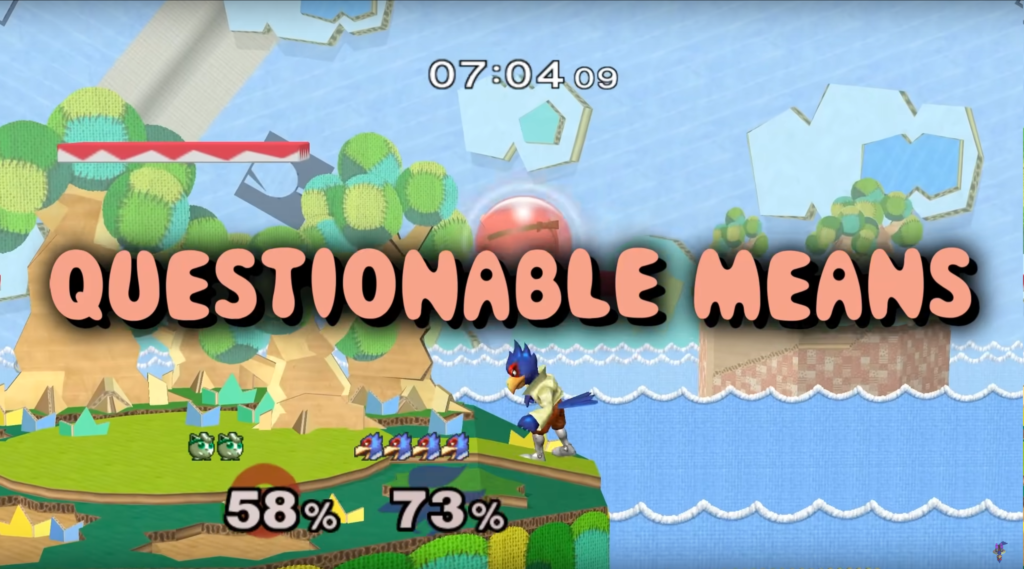
AsumSaus’ video this time, his first in 10 months, is about the most emblematic Melee stage: Final Destination. The boring stage, and its symbiotic relationship with most of the roster of Melee. Specifically, the group of players who don’t want to get killed by Fox, Falco, or sometimes Captain Falcon. (20 minutes) Enjoy, if you’re of a mind to enjoy that kind of thing. If anyone could cause you to care, it’s probably AsumSaus.

Out Of Bounds Discoveries in Nintendo Games

I had a different post ready to go today, but it’s been delayed by a few days for unavoidable reasons, so let’s do another Nintendo obscurity video, this time for things that can be found “out of bounds.” There’s several interesting cases mentioned and shown off here in this video from Nintendo Unity. It’s 11 minutes long.

Some of cases shown:

  • In Punch-Out!! on the Wii, off-camera, Piston Hondo is reading a Sailor Moon manga in a between-round cutscene.
  • On the original Pikmin’s title menu, the name of the menu programmer is off-camera to the left.
  • There’s a cartoon drawing of a Goomba as a texture beneath Pinna Park in Super Mario Sunshine. This has been given the name “Kug,” and there’s more information on it on Supper Mario Broth and The Cutting Room Floor.
    • Noki Bay in Sunshine has a model of a book locked in an unreachable area. There’s more info on it on The Cutting Room Floor.
    • This one’s relatively well known: the trophy of Princess Daisy in Super Smash Bros. Melee has a texturing error that gives her a third eye, hidden beneath her hair on the back of her head. The trophy for Meta Ridley also has a hidden heart texture inside of it.
    • In Earthbound, if you can clip outside of the terrain in the upper-right corner of Onett, you can reach the ultimate upper-right corner of the whole map. (All of the areas in Earthbound are connected on a single huge map!) Interacting with the corner there can access a debug menu left in the game.
    • There’s a secret control room beneath the island in Donkey Kong 64.
    • Another well known glitch, the video mentions the glitch that lets Samus get inside the level terrain in Metroid by rolling into a ball and coming out of it repeatedly while a closed door surrounds her. This is the means by which people can get to the glitchy “secret worlds” mentioned in an early issue of the Nintendo Fun Club News.
    • At the end, the video reminds of the “Minus World” glitch in NES Super Mario Bros.

Masahiro Sakurai on Satoru Iwata

I haven’t posted much from Kirby and Smash Bros. creator’s prolific Youtube channel on game development. There’s a lot of good information in there. The channel is winding down now after a good run, but now, near the end, he’s posted at one of his final videos a remembrance of his old boss, and beloved Nintendo company president, the late Satoru Iwata. (10 minutes)

It’s now been nearly 10 years since Iwata’s passing, and the outpouring of respect, admiration, and even affection, for him over that time has been remarkable. There’s a sense that we lost an amazing figure. Sakurai is brilliant in many ways, but he calls Iwata the smartest man he’s ever known. He strove to be polite, not to take offense in conflict, and to always act with logic instead of emotion. He helped transition Nintendo from being under the sole control of the Yamaguchi family to the more varied and ingenious company they’re known for being today.

In addition to running the company, Mr. Iwata started out as a programmer a HAL Laboratory. Think of how rare that is for a multi-billion-dollar company. They didn’t hire your standard MBA out off a business school, but put their future in the hands of a former coder. I have no illusions that, in many cases, that could have been disastrous, because programming and management require different skill sets, but Mr. Iwata pulled it off.

Sakurai finishes the video with a story of the last time he saw Iwata alive. He calls Iwata the person in the world who understood him the most. When Iwata wanted to see him, he didn’t delegate it to an assistant but always emailed him directly. It seems that Iwata was a good person who many admired and respected, but to Masahiro Sakurai, he meant something more.

The video isn’t very long, and there’s a sense of finality to it, not just in Sakurai’s memories of Iwata, but of the ending of his Youtube channel. Masahirro Sakurai on Creating Games is such an unusual series: an important and brilliant working game creator telling the world personally of his views as a creator. Such an unusual move! But Iwata created both the Iwata Asks series, and the Nintendo Direct promotional videos, which may have inspired Sakurai’s own series. Both men understand the importance, often neglected I think, of clear communication, both between others and the world.

Thank you, Mr. Sakurai, for what you’ve told us. And thank you, Mr. Iwata, for all your hard work.

AsumSaus on Smash Melee

I’d been wondering why I hadn’t seen AsumSaus, that Smash Bros. person, post anything lately. So I search his account and it turns out yeah, he’s been posting, Youtube just didn’t deign to show them to me. He just put something up that’s 27 minutes on on Smash Melee.

I’m still compiling notes on the Digital Eclipse Wizardry remake! It’s a whole log! I beat Werdna! Maybe the fruit of that will start being editable tomorrow, it’s still a little underripe now, to extent an already strained metaphor. See you tomorrow!

Nintendo vs. Smash Bros. Tournaments

Oh Nintendo. As people following this blog can easily see, we have more than a little fondness for the output resulting from the playing card and igo board maker’s lucrative side venture into video games. Everyone wants to make them like Nintendo, but no one else actually does, or seems to be able to, or can even pin down what that would mean.

Super Smash Bros. Melee, the game potentially most harmed by Nintendo’s policies (image from MobyGames)

Maybe it’s because, despite being one of the biggest companies in the world, it still feels like a small company, in some ways? Or that they don’t seem as beholden to the bleeding knife of capitalism as other companies are? (This is illusory, of course.) Maybe it’s their adherence to Japanese corporate traditions, or the influence of Shigeru Miyamoto, or their toymaker’s vibe?

But there is a dark side to them as well: they can be incredibly controlling regarding their IPs. Years ago they reached out to a fan

They have what they would call a staunch anti-piracy stance, which you’d expect of most software companies sure, but what that ends up meaning, due to the fact that 99% of their software is made for closed systems like consoles and mobile (we haven’t forgotten about the Animal Crossing PC clock!), they have absolutely no modding support.

This has resulted in a zero-tolerance policy regarding infractions concerning the competitive Smash Bros. scene. Project M is a popular fan-made hack of Super Smash Bros. Melee that it feels like even mentioning will cause Nintendo to affix a red letter to your organization.

aMSa, the Yoshi-main Melee player who was the focus of AsumSaus’ excellent documentary (image from AsumSaus’ video)

Kotaku has reported that there is currently another round of fan backlash over Nintendo’s guidelines over the use of Smash Bros. games in community tournaments. There is good reason: the rules read like they were written by people ignorant of the extent of competitive Smash play.

Nintendo is also demanding tournament prices not rise above $5,000, and is disallowing sponsorships. While it’s true that Nintendo is justifiably a bit cautious about the edginess surrounding esports tournaments, which resulted in sexual misconduct allegations back in 2020, there is definitely a middle ground between preventing situations like that and hamstringing a burgeoning esport, and Nintendo should pursue it, or risk destroying this entire scene.

As I said, I am not a lawyer. Someone who is, is Moonie, who used his incredibly ZeFrank-sounding voice to made a Youtube video breaking down Nintendo’s new guidelines. He doesn’t seem as worried about them as others (the thumbnail to his video is a giant DON’T PANIC). Here is his 18-minute dive into the guidelines, but a major point is that they primarily affect unaffiliated community tournaments, which as a class are distinct from majors, which would have an explicit agreement with Nintendo that would make the limitations in these guidelines not apply. In order words, while some of the furor is justified (other companies like Capcom aren’t as limiting of community events), a lot of it is the result of failed Nintendo messaging. Nintendo does have a lot of trouble communicating things like this that won’t get everyone’s roar up.

But even with that proviso, it’s still not great? Nintendo is still claiming that fan modifications are entirely forbidden, even among community tournaments.

What do I think? Nintendo could fix all of this by changing their EULA by explicitly recognizing and allowing for fan work, but in a way that asserts the primacy of their IP. Again, IANAL, but if they put their own lawyers to work to try to forge a system whereby fans could continue to build off of their work, they might be able to do it in such a way that they don’t risk damaging their properties. Other companies have done it, notably Sega, who blessed fangame creators in a way that generated their megahit Sonic Mania. What is causing Nintendo’s overreaction here, in my onion*, is their institutional distaste for even acknowledging that people are hacking their systems and modifying their games in the first place.

* typo made on purpose

I must acknowledge, there would be a whole flowchart of knock-on effects if Nintendo were to acknowledge and accept fan modifications, and probably not all of them would be to Nintendo’s benefit. Particularly, just to modify their software requires breaking their system security, which doesn’t necessarily imply piracy but does mean opening up the system sandbox and maybe revealing system secrets like keys. Sega doesn’t make consoles any more, so it’s not an issue they have to worry about now.

But what is obvious is that they’ve frequently attacked a vibrant community, and making a lot of enemies out of players. There has to be a good solution to this.

Super Smash Bros. Fans Freak Out About New Nintendo Rules (Kotaku)

A Lawyer Analyzes Nintendo’s Tournament Guidelines (Moon Channel on Youtube, 18 minutes)

AsumSaus Relates the Story of aMSa, Player of Yoshi

Yep, we link a lot of videos. Sadly a lot of gaming stuff now takes the form of videos. Text is my preference, but it’s where the content is right now.

And this isn’t the first time we’ve linked to AsumSaus, whose beat is the competitive Smash Melee scene. There’s lots of Youpotatoes out there, but AsumSaus appeals to me greatly. His videos aren’t edited into a confusing mess, they don’t sound like morning zoo radio hosts on crack, there aren’t lots of swishy objects moving around. It’s surprising how many Youtubers spend so much effort making their videos unwatchable, but AsumSaus isn’t one of them. They’re accessible, entertaining, interesting, and sane. All around, great.

Most of AsumSaus’ videos are around 10 minutes long, but this time we have a long-form video, at 54 minutes it’s almost movie-length, but it’s worth it. It’s the story of aMSa, a Japanese player of Super Smash Bros Melee. It turns out Japan is not a great scene for competitive Smash Melee, the best players are widely considered to be in the US and Europe. Not only that, but for much of his career professional Melee was only a side-gig for him, he held down a demanding day job in his home country, and had to travel to tournament events when he could.

But none of those things are the most surprising thing about aMSa. The most surprising thing is that aMSa plays Yoshi. He’s the only top-tier Melee player who does.

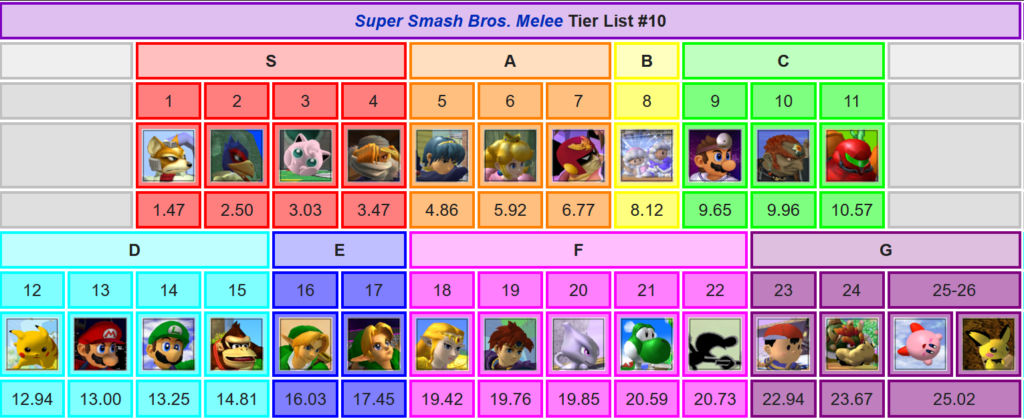
When he began, Yoshi was considered F-Tier. To explain to those not familiar with competitive fighting game terminology, the community around games tends to sort the characters into “tiers,” each containing characters considered to be of roughly equivalent strength. Usually these are rated alphabetically, with “S” given an honorary place at the top of the list, according to gaming custom. So, S-tier characters are the best, A-tier characters are second best, and so on down. Usually the worst at F-tier, or even a little lower. Sometimes, if one character really rules, they might be rated SS-tier, or even potentially SSS-tier.

In 2010, the tier list for Smash Melee characters was considered to be this:

At the top of the heap are Fox, whose positive Melee attributes have been a meme for many years now, Falco (who plays very similarly to Fox), Jigglypuff (the best floater in Melee, and who also has Pound for extra saves and Rest for instant kills), and Sheik, who is almost as fast as Fox. In Melee, Sheik could turn into Zelda with a move. No one does this though, because Zelda is way down in Tier F. Tier F characters are widely considered to suck. But, another character in tier F is Yoshi.

Why is Yoshi rated so badly? The obvious reasons (well, obvious to people familiar with Smash Bros) are: Yoshi doesn’t have an up+B save move (it throws an egg instead of serving as a third jump); and, Yoshi’s shield is unusual, encasing them in an egg instead of providing the usual bubble-shield, and Yoshi can’t jump immediately out of it. Yoshi has positive aspects too, but those two are pretty huge.

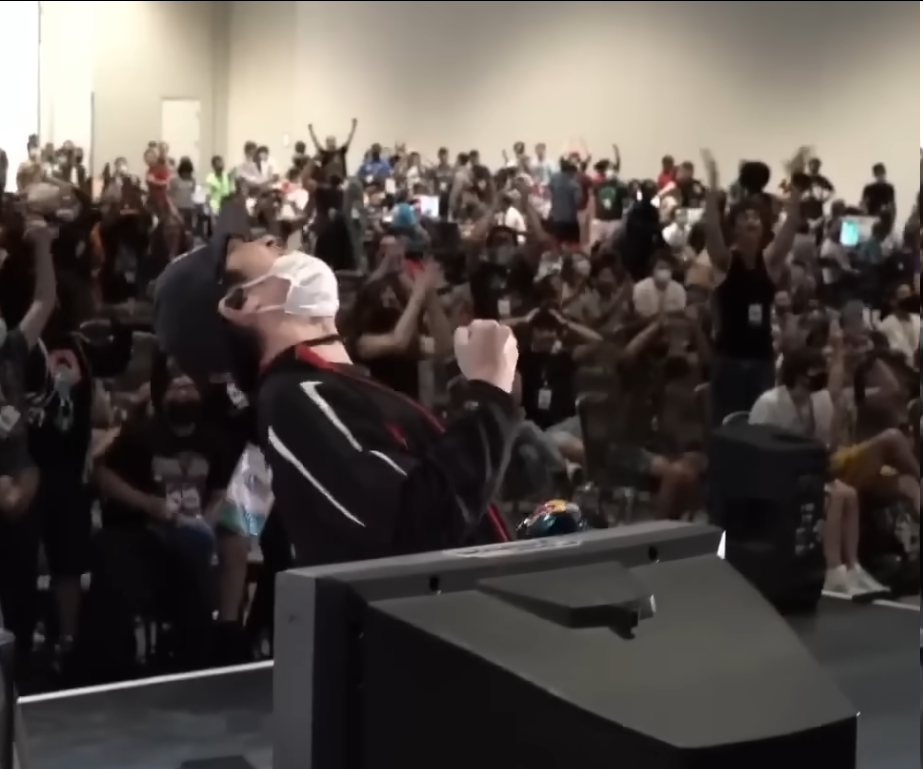
More recent tier lists for Melee all rate Yoshi much more highly. But it’s not because a lot of players have achieved a good rate of success with Yoshi. It’s entirely because of aMSa. One player, out of hundreds, is the reason Yoshi was rated at B+ tier in 2021, and that’s aMSa.

I don’t want to give away the ending of AsumSaus’ video. aMSa doesn’t win every match, in fact they lose a great many, because in tournaments they play against the very best in the world. But they do experience a lot of success, and beyond that, they seem to be genuinely a good person. aMSa is almost always smiling after a match, win or lose, because they’re having a great time. They’re always gracious to their opponent. It’s easy to get on their side. Crowds love them too.

Here, then, is the journey of aMSa, and their red Yoshi. A top-level professional Smash Melee player, with the least likely character. And be sure to stick around for the very end, as AsumSaus picked the best-possible ending music for the video.

aMSa: The Only Yoshi (who could do it) (Youtube, 54 minutes)

AsumSaus’s Smash Melee Info Videos: Is Melee Good?

If there’s two constants here at SSB, it’s that we post a lot of Nintendo content, and a lot of Youtube video stuff.

Nintendo, because they’re the most interesting of the major console manufacturers, and one of the most consistently great developers around today. I still think that Atari’s coin-op division, later split off as Atari Games, was more ingenious in their classic era, because they made such a wide variety of games and rarely did sequels, but Nintendo would definitely be second place, and has the advantage of still being alive as a company. (Atari Games has been gone for 18 years now, and that number isn’t getting lower. That makes me really sad.)

One of Nintendo’s biggest series is, of course, Super Smash Bros. It wasn’t always so. Smash on Nintendo 64, the first in the series, was a great little game, and the first time that they crossed over between basically all their properties, but it wasn’t until Melee, the second game, that it really became huge, despite being on the relatively low-selling Gamecube hardware.

Super Smash Bros. Melee was the game that really established the pattern for the rest of the Smash series: offer a ton of content, give everyone unprecedented amounts of fanservice, and offer a super fast-paced game with an eye towards the esports scene.

On that last point they succeeded: Melee is a very popular esports game. I don’t know if it’s more popular than Ultimate, the current Smash game released for Switch, although I don’t follow that scene generally so I really have no idea. All of the Smash games have some esports interest, but Melee’s the most popular previous title, I think.

Melee had a 13 month development time, fairly short, and resulted in a fair number of bugs, and that’s where AsumSaus’s videos are most interesting. Few games have had their internals splunked as deeply as Melee’s has, and they dredge up the most interesting facts from all that data.

I’ll just present one of their videos this time out, from three years ago, but I leave the door open to spotlighting others in the future. They’re just that interesting. So, here’s their 37-minute video asking, in considerable depth: outside the specific and highly particular subset of Super Smash Bros Melee that is tournament-level competitive play, taken as a whole: is the game actually good? He obviously enjoys that one tiny bit of it a great deal, but, what about all the rest? Watch the video to find out.

Is Melee A Good Game (AsumSaus on Youtube, 37 minutes)