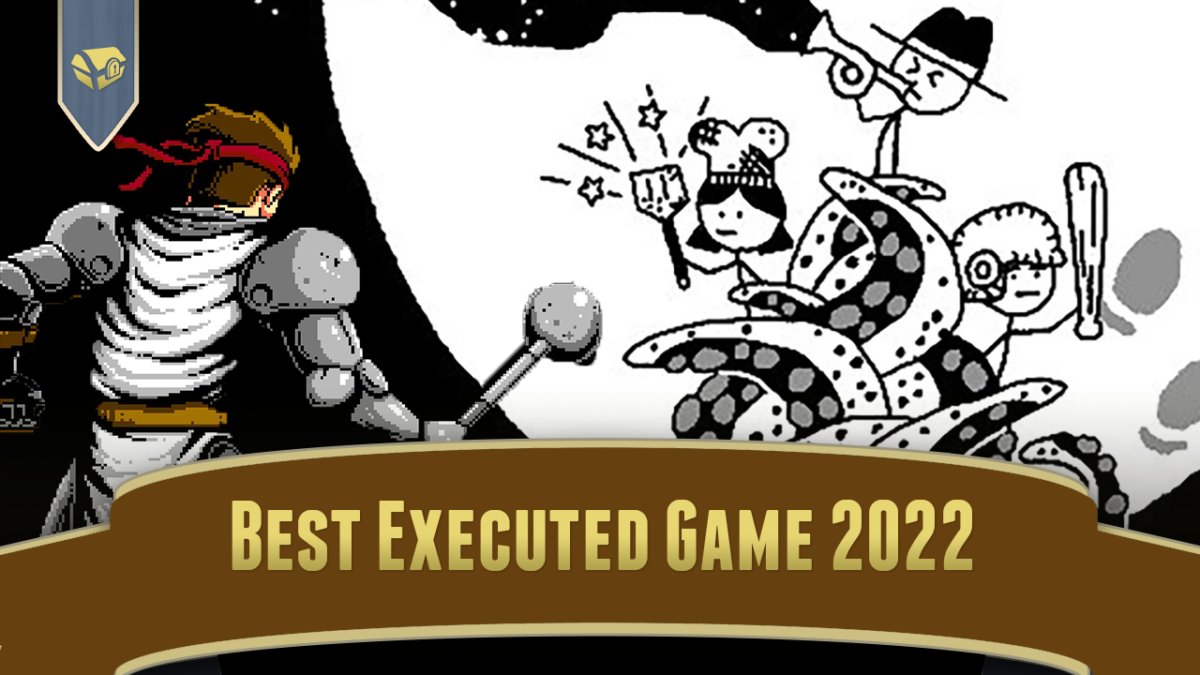
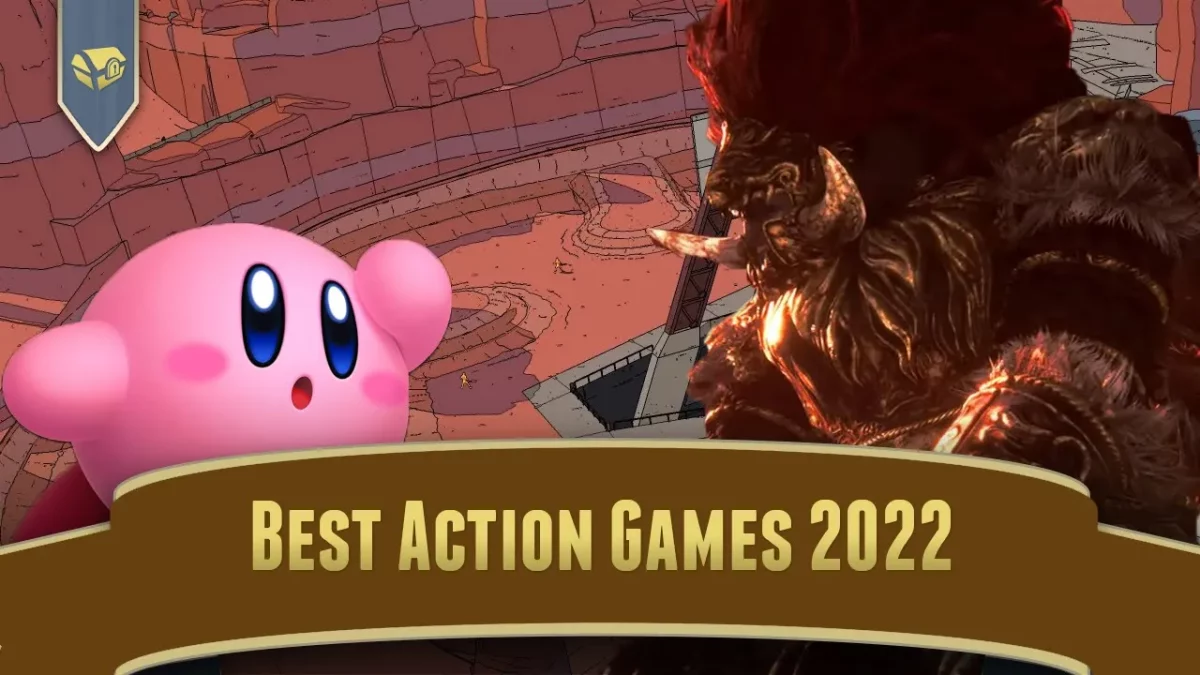
I’ve created a new category to give more spotlights to games. For this one, I’m honoring the games that didn’t blow up as a revolutionary take on the genre but were all around great games that did what they set out to do.
Honorable Mention: Drainus
Drainus was a great shmup that was released to little fanfare as the latest game from Team Ladybug. I really like the pixel art and the ability to modify your ship and shots on the fly. What keeps it from scoring higher is that while it was a good game, it didn’t really stick around as a memorable one. I would love for someone to take this concept of ship modification further in a future game.
#3: Shadows over Loathing
The latest game from the king of dry wit and humor is Shadows over Loathing. We’re trading the wild west and horse-related puns for Lovecraftian mysteries…and puns. This not-so-spooky sequel to West continues the series’ design of puzzle, adventure, and wacky RPG hijinks. At this point, you are either all in or all out for a Loathing game, and I enjoyed my time slinging cheese at fish people.
#2: Infernax
What if we take a traditional 2D action-adventure and cover it with all the blood? We get Infernax. This challenging modern retro game had some of the most shocking NES-styled cutscene around with meat on the bone in the form of multiple endings. As with the other games on this list, while the game doesn’t stand out among the modern retro classics I’ve played, it’s still a solid game for action fans.
#1: Swordship
Swordship is one of those games that I feel deserves more praise than what it has gotten. A smartly designed arcade-style game. The hook is that while you must dodge and fight against drones trying to stop you from delivering contraband, you are never able to directly attack. You need to maneuver around to get enemies to take out each other.
Owner of Game Wisdom with more than a decade of experience writing and talking about game design and the industry. I’m also the author of the “Game Design Deep Dive” series and “20 Essential Games to Study”
Owner of Game Wisdom with more than a decade of experience writing and talking about game design and the industry. I’m also the author of the “Game Design Deep Dive” series and “20 Essential Games to Study”
Everyone’s favorite, or at least the most famous, charity speedrunning marathon is back! It’s January 8 through 14. This is the one with Awful Block, BTW! This year AGDQ is being run to support the Prevent Cancer Foundation.12
This year I have a schedule conflict and so I won’t be able to watch it as carefully to report on day to day here. But I can try to say something where I can when I happen to catch a stolen moment!
Of note, AGDQ 2023 this year is completely online again. SGDQ this year went back to being in person, but particular issues resulted in AGDQ going back to online-only. Specifically, back in 2020 before the pandemic happened, they had locked in a venue in Florida. Since then not only did the pandemic hit, but Florida went absolutely anti-vaccine crazy, not to mention anti-trans!
Both of these factors resulted in their decision to not hold the event in Florida, even though it requires paying substantial cancellation fees. That sucks, but I support them in this decision, and I say this as someone who lives in a state close to Florida.
Even though I won’t be able to follow it as closely as last time, they will still be posting archives of all their runs to Youtube so they can be watched after the fact! And I can still take a moment to have a look at their schedule right now and find some things that might be of interest out our audience of three, maybe even four people. All times here are US Eastern:
SUNDAY, January 8th
Noon: Splatoon 3, still a really new game so you’ll probably to be able to see a lot of new tech!
1:30 PM: The Legend of Zelda: Breath of the Wild. The past six years this game has been absolutely blown apart in strange and entertaining ways! This may be its last year in the spotlight though, since its sequel is coming out this year!
4:29 PM: Castlevania: Symphony of the Night. An old favorite!
11:19 PM: Pokemon Mystery Dungeon: Explorers of Sky. This is a randomizer run, so unusual events may be in the offing!
MONDAY, January 9th
4:30 AM: Ax Battler, A Legend of Golden Axe. A fairly obscure Game Gear game, focusing on the least charismatic character of the original Golden Axe trio.
7:35 AM: Bomberman 64: The Second Attack.
11:39 AM: Shovel Knight Dig. A race!
2:54 PM: Teenage Mutant Ninja Turtles: Shredder’s Revenge. This is that recent game made as an homage to the classic Konami arcade titles! This is described as a “chill race,” and is being played in co-op mode.
6:59 PM: Portal. A “bonus game,” which will be done if a donation incentive is met. Portal is another game that’s been annihilated by speedrunners.
10:59 PM: Fable Anniversary.
TUESDAY, January 10th
12:29 AM: Ape Escape 2.
3:39 AM: Goat Simulator. “Here comes that goat again….”
10:29 AM: Castlevania: Harmony of Despair.
11:39 AM: Castlevania: Aria of Sorrow.
2:30 PM: Super Mario Galaxy 2.
7:05 PM: Outer Wilds.
WEDNESDAY, January 11th
4:02 AM: FEZ.
6:28 AM: Final Fantasy VII. Over seven hours!
2:03 PM: Stardew Valley. A glitchless race.
2:53 PM: A Sonic the Hedgehog block, with Sonic Unleashed, Sonic Colors: Ultimate and Sonic Advance 2, which is the subject of a character bidwar. #teamamy
5:21 PM: Pokemon Red “or Yellow,” I don’t know what that means. Glitchless, but only two hours long. How?
7:36 PM: Ocarina of Time 3D.
8:21 PM: Last year’s hit Stray as a bonus game.
11:54 PM: Kirby Star Allies, with a “Guest Star?”
THURSDAY, January 12th
12:44 AM: Pac-Man: The New Adventures. This is that funky 16-bit game where you don’t directly control Pac-Man but instead try to influence an AI-controlled Pac to do what needs doing. This may be intended to kick off Awful Block, but I don’t think it’s really awful, just, not really much of a Pac-Man game.
1:23 AM: AWFUL BLOCK! Yo! Noid 2: Game of a Year Edition, Yolanda, Lizard Lady vs. The Cats, Office Race, Salamander County Public Television, Battle of the Eras, Morodashi Sumo, Dokkaebi-ga Ganda, I’m going to die if I don’t eat sushi!, Sonic Blast, Bad Guys At School, and Steven Seagal is the Final Option, at 7:05 AM.
8:59 AM: The World Ends With You: Final Remix.
12:54 PM: Metal Slug. Oh I’m sorry, that should be Metal Slug!, with an exclamation point.
2:00 PM: BS The Legend of Zelda. Not only is this a terrifically obscure game, only released on the Satellaview in Japan (and only coming down to us in any form due to the hard work of preservationists and hackers), but it’s a 100% race!
6:17 PM: Puyo Puyo Fever 2.
6:57 PM: Mario Kart 8 Deluxe DLC tracks as a bonus game.
8:27 PM: The Simpsons Hit & Run.
11:43 PM: Power Wash Simulator.
FRIDAY, January 13th
3:06 AM: Kirby Air Ride. A hugely underrated game! Although sadly this is normal racing and not its stand-out mode, City Trial.
3:39 AM: A short NES block, with Jackal, Mickey Mousecapade and Chip ‘n Dale Rescue Rangers.
5:33 AM: Beautiful Katamari.
7:03 AM: Gunstar Heroes.
8:28 AM: Kirby’s Adventure.
10:35 AM: Metroid Prime 1+2. Multiworld Randomizer Co-op. How will this even work?
1:45 PM: Cult of the Lamb.
6:00 PM: Elephants and Snakes and Crocodiles. On the SNES? I’ve never even heard of this one!
6:55 PM: Final Fantasy XIV. The description of this one is a jumbled alphabet of abbreviations and initialisms, I have no idea what any of that means.
8:05 PM: Arcade Stepmania, as a bonus game. This is a demonstration, not an actual speedrun, but these tend to be insane anyway!
9:35 PM: Super Mario All-Stars Shuffler.
SATURDAY, January 14th
2:38 AM: Blinx the Time Sweeper.
5:29 AM: Mega Man 64 and Mega Man Rock N Roll. The first of these two is the N64 version of Mega Man Legends, the second is a fan game.
9:08 AM: Donald (Duck) in Maui Mallard.
11:27 AM: Metroid Dread. All boss glitchless. To think we went from this game being a vaguely rumored cancelled title to an official release being speedrun at AGDQ in a little over a year.
1:17 PM: Terraria.
6:02 PM: The Legend of Zelda: A Link to the Past as a bonus game.
10:53: Super Mario 3. Warpless, but any%.
That should be it, although of course they like to put in unannounced bonus games toward the end, so keep your eyes open!
Owner of Game Wisdom with more than a decade of experience writing and talking about game design and the industry. I’m also the author of the “Game Design Deep Dive” series and “20 Essential Games to Study”
This one is going back to my Metafilter posting history. In case you’re unfamiliar with Lode Runner, I really have to give a short history and primer.
Lode Runner was a game released in 1983 for the Apple II home computer, although ports for several other machines were soon developed and released. Created by the late Douglas E. Smith, it asked players to maneuver through 150 levels of caverns and structures, collecting all the gold (little boxes) on each level then ascending to the top of the screen.
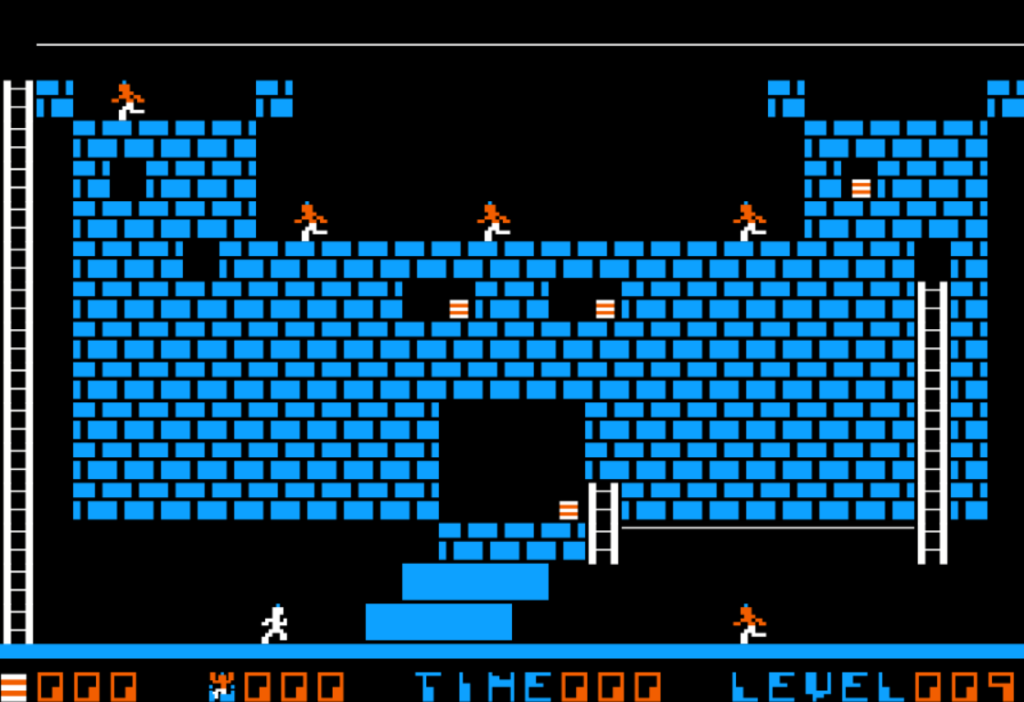
Apple II graphics set
150 levels sounds like a lot, and it really was, but amazingly the game keeps finding new ways to surprise with its small number of level parts and their implications. When player were done with those (or even if they weren’t), Lode Runner included a level editor that player could use to make their own levels.
The ostensible subject of this post is a web recreation of Lode Runner that includes hundreds of levels to play and learn and enjoy. But the site largely speaks for itself in that regard, I think, so here’s some musing on Lode Runner itself, and its history.
So, here is the link. If you’ve never played it before, it’s simple to get into, but very interesting to puzzle over. Every level can be completed, even if many of them seem like they can’t possibly be. Good luck!
Design
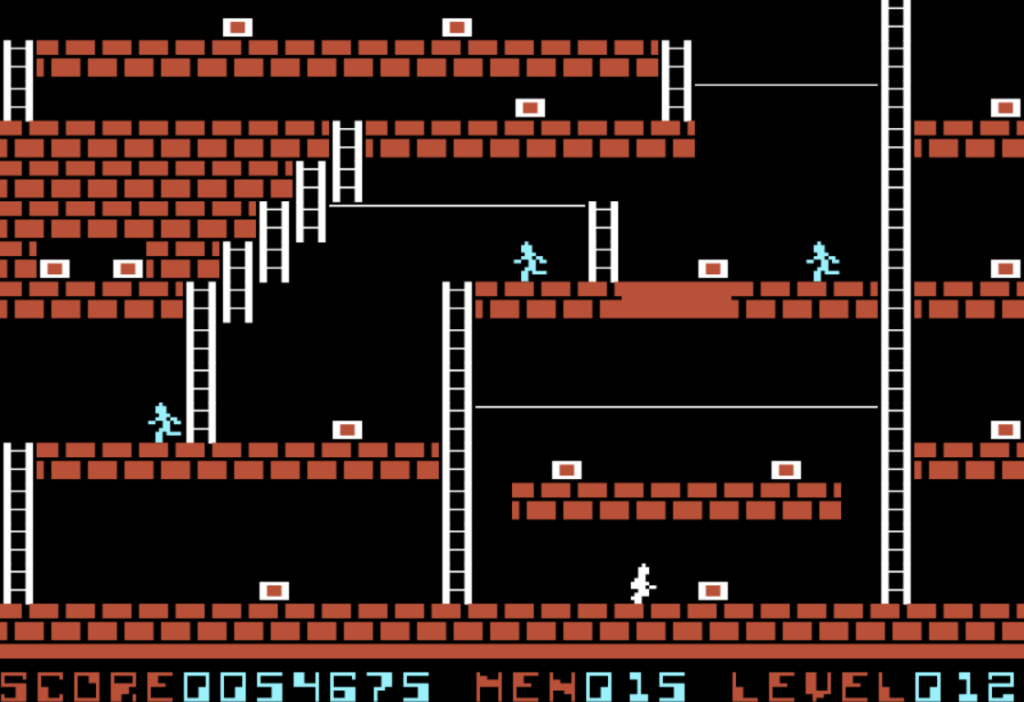
Each Lode Runner level is composed of only a small number of parts. There’s the player and the guards that pursue them, of course. There’s normal, “diggable” blocks, solid “undiggable” ground, ladders, overhead bars, trap doors that look like diggable blocks but cause the player to fall through them, gold boxes, and hidden ladders that only appear when the last gold box has been collected.
Diggable blocks, the ones that look like bricks, can be drilled into, leaving a hole, but only when standing next to them and they have nothing above them. That means absolutely nothing: a quirk of the game is that even a set of overhead bars or an invisible ladder in the space above a block will prevent it from being dug.
The obvious use for these holes is to trap guards. When one falls into a hole, it’s stuck for a few seconds until it can climb out. Holes close back up after a short while, and a guard in a hole when it closes up around it are killed, usually to respawn randomly near the top of the screen.
Digging layers down to reach buried gold
The inobvious use is to penetrate into the very walls of a level to collect gold that would otherwise be inaccessible. By digging out a whole layer of bricks, the player can jump into the excavated space and continue digging the next level down.
The other thing about Lode Runner is the AI of the guards. They’re run by a simple program, and are easy to manipulate, but they still have a way of keeping the player guessing when they function as obstacles. When used as tools though, learning how to manipulate them becomes essential. The player can stand on their heads, and because they fall faster than the guards, can even use them as momentary platforms during a fall, to quickly step to one side on the way down.
I don’t mean to dive too deeply into the pieces, their workings and their quirks. A lot of the fun of Lode Runner comes from discovering them for yourself, and being introduced, step by step through the game’s levels, to their implications.
Culture
Back in high school we had an Apple IIc in the back room that we could play with on breaks. I’m not sure what it was there for, I don’t think any educational software was ever run on it, but the copy of Lode Runner on it (already a few years old by that point) was put into heavy rotation, and students would bring their own disks to school to save levels on.
This is an aside, but it demands to be told: one such student saved a number of levels they had labored over to a disk and left it in the room one day. A friend of his, who had thought that student had erased his disk or saved over his own levels, physically cut their disk up with scissors and left it on their desk! It was all in error, but the two’s friendship was never the same after that. The moral: do not be quick to vengeance, theatricality gratifies only one’s self, and in any case, be sure of the facts first. More times in my life I’ve seen someone take drastic steps in error than in rightness. So, back to Lode Runner!
A number of classic Western computer games got a second life, sometimes one that far outstripped their beginnings, when they got ported to Japanese computers and game consoles. Lode Runner was first ported to an arcade cabinet by Irem, then converted to the Famicom by Hudson Soft, where as a prominent early title for that system it went on to sell over a million units, and became a part of Japanese popular culture. From there it reached a number of other systems, including a version for the PC Engine, called Battle Lode Runner, that much later would make it back to the US as an early Wii Virtual Console release. A few other game series that would become cultural fixtures in Japan, adding hundreds of thousands of sales beyond that of their U.S. editions, were Spelunker, Wizardry and Ultima.
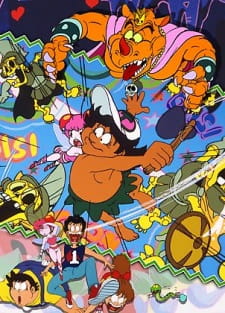
Image from MyAnimeList, still kicking after 18 years
At the time Hudson Soft licensed an adaptation of their Adventure Island game, itself deserving of a long post, as an anime production, called Bug tte Honey, which I’m still not sure how to pronounce. It was a Captain N-style setting, where video game players were transported into the game world to have various adventures. It was used as a showcase for several Hudson properties, including Lode Runner.
Lode Runner is a timeless classic, something that we didn’t realize how good it was when we had it. I mean, we knew it was good, but we didn’t yet know how difficult it was to create something so elegant.
Owner of Game Wisdom with more than a decade of experience writing and talking about game design and the industry. I’m also the author of the “Game Design Deep Dive” series and “20 Essential Games to Study”
Owner of Game Wisdom with more than a decade of experience writing and talking about game design and the industry. I’m also the author of the “Game Design Deep Dive” series and “20 Essential Games to Study”
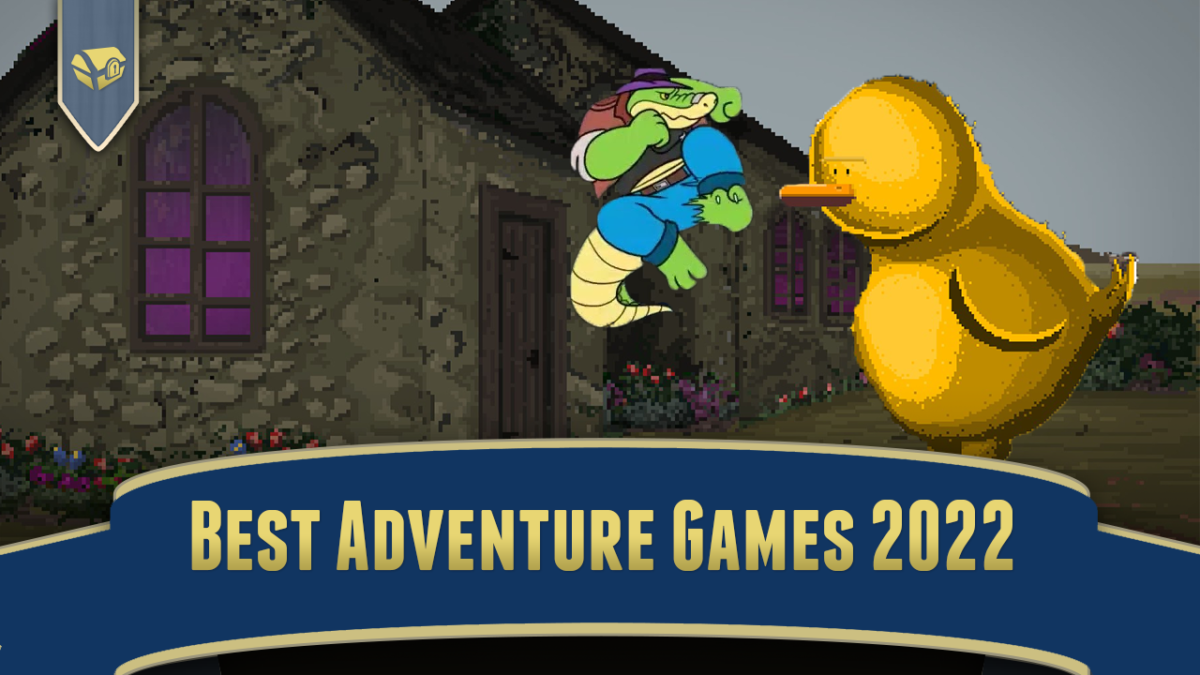
It’s time to talk about my favorite games that made me ponder while I was pointing (and clicking).
Honorable Mention Sucker For Love
I’m pretty sure everyone forgot that this game even came out this year. What started as a project for a Dread X Collection, transformed into its own visual/novel meets adventure game. The premise alone is enough to turn heads — as you try to romance three very eligible women who just so happen to be elder gods who can tear apart the fabric of reality.
This is a game that fully commits to its premise, and while it’s not the hardest game in the genre, the complete package stands out as one of the most strangely charming games I’ve played. I don’t know if we’ll get a sequel to it, but it’s an overall great title.
#3 Lucy Dreaming
Lucy Dreaming harkens back to the golden age of Lucasarts-styled adventure games, with its own verb list and wacky logic. Combining the waking and dream world sections did lead to some interesting puzzles. While it can be on the harder side due to its structure and logic, it is definitely a must-play for any fan of old-school adventure games.
#2: The Excavation of Hob’s Barrow
Adventure games oftentimes either land on the side of challenging puzzles or focus more on the story and mood. With the Excavation of Hob’s Barrow, we have one that does both — a gothic horror point and click adventure with some very striking cutscenes. The game, at times, feels like an episode to one of the many anthology horror shows in the past, as the player explores a mysterious village, has creepy visions and dreams, all leading up to the surprising ending. The puzzle difficulty stays on the easier side until the very end, with the final chapter being the most puzzle-filled out of anything else.
I really like the charm and the story of this one, with the world feeling both familiar and alien at the same time. If you slept on this one, and in the mood for a mysterious adventure, then don’t miss this game.
#1: Brok the Investigator
Brok the Investigator manages to combine beat-em-up gameplay with point and click adventuring and puzzle solving to deliver one of the most original takes on the adventure genre. You are free to approach your problems by using your brain or your fists, with the story and ending changing based on your process.
The story itself is also very well done, and despite featuring a goofy talking alligator, there is a lot of heart to this game. Brok is trying to do right by his adoptive son, earn a living, and the push and pull between doing the right thing, and to keep going is an interesting one. This is one of those games I know a lot of people slept on, but this one gets my recommendation as a game worth playing.
Owner of Game Wisdom with more than a decade of experience writing and talking about game design and the industry. I’m also the author of the “Game Design Deep Dive” series and “20 Essential Games to Study”
Owner of Game Wisdom with more than a decade of experience writing and talking about game design and the industry. I’m also the author of the “Game Design Deep Dive” series and “20 Essential Games to Study”
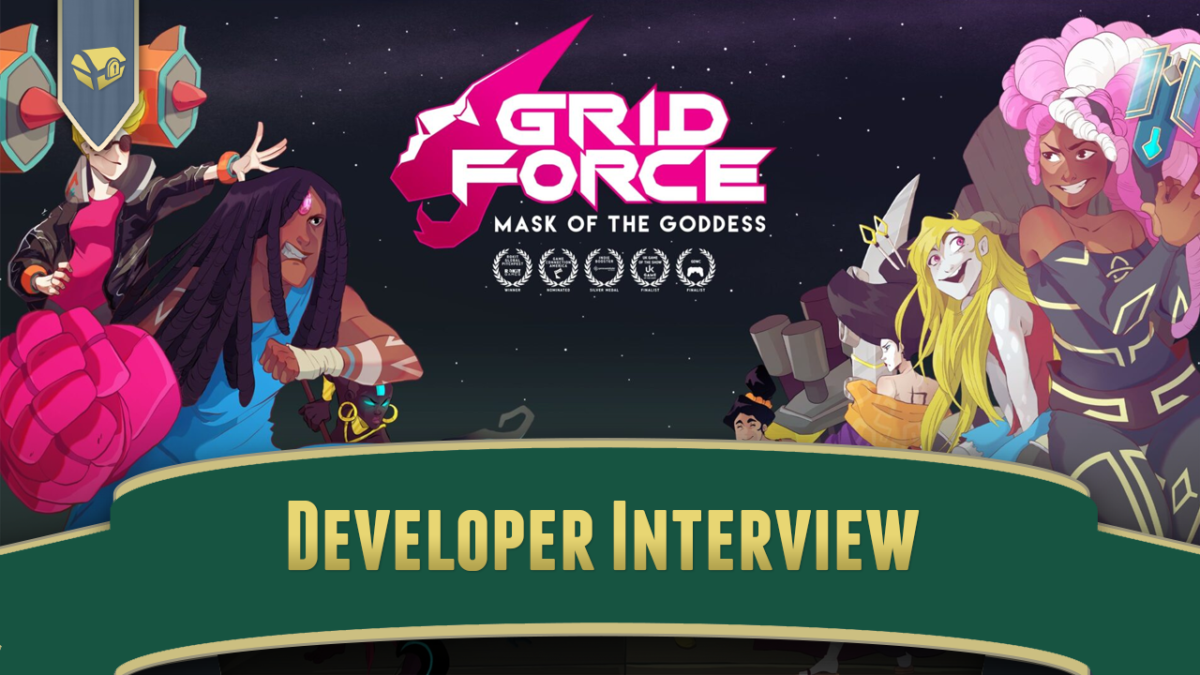
For this Perceptive Podcast, I spoke with Dan Bernado of Dreamnaut Studios to talk about the release of the game Grid Force Mask of the Goddess, creating the story and art, and more.
Owner of Game Wisdom with more than a decade of experience writing and talking about game design and the industry. I’m also the author of the “Game Design Deep Dive” series and “20 Essential Games to Study”
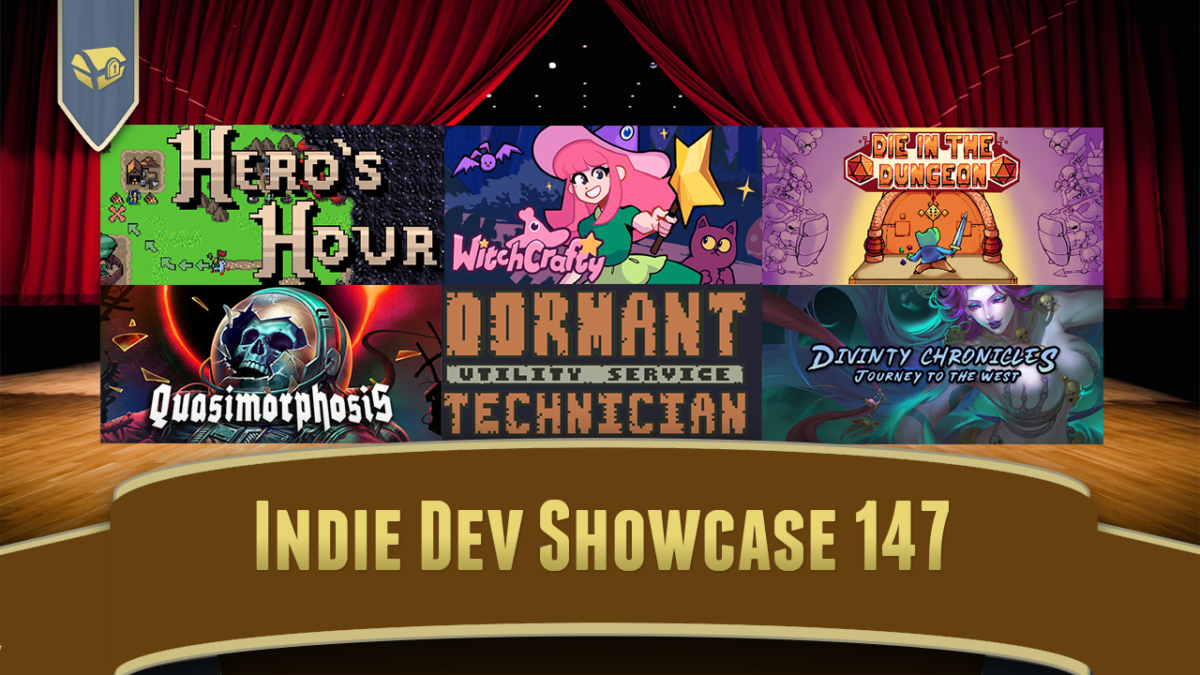
The indie showcases highlight all the indie games we play here on stream, if you would like to submit a game for a future piece, please reach out. All games shown are either demos or press key submissions.
Owner of Game Wisdom with more than a decade of experience writing and talking about game design and the industry. I’m also the author of the “Game Design Deep Dive” series and “20 Essential Games to Study”
An interview with Brian Lynch who developed the game Redshot. We spoke about making his first metroidvania, the challenges of using bullet time and building it for speedrunning, and more.
Owner of Game Wisdom with more than a decade of experience writing and talking about game design and the industry. I’m also the author of the “Game Design Deep Dive” series and “20 Essential Games to Study”