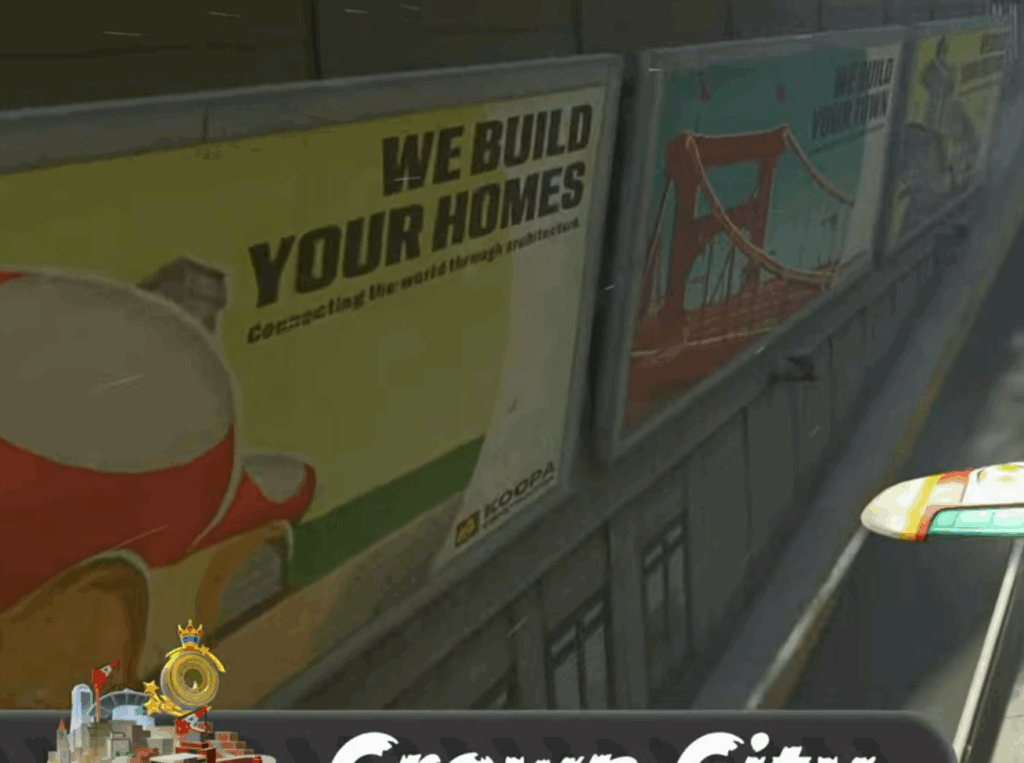
I mentioned these a few days ago, but my favorite part of Mario Kart games these days is the in-universe ads for various Mario-themed automotive products. Whatever world these games are set in, it obviously doesn’t have to worry about global warming, because not only are there plenty of vehicular support companies there, but they’re all either themed or named after some aspect of Marioness. We’re not told literally anything about these companies other than what we can glean their promotional imagery plastered all over the place, but I presume that the Mario characters aren’t just spokespeople/things, but actually own and run them.
In Mario Kart 8, Super Bell Subway was an extravaganza of environmental world building, implying far more about the Mushroom Kingdom than we ever hoped to get, and Mario Kart World is like an extended version of that. As with most Mario games, the only elements that will carry over between games are the ones Nintendo thinks are sufficiently marketable, and even then they’re known to throw out characters that fall out of favor (R.I.P. Toadsworth). But we might consider these glimpses as one version of what every day life in the Super Mario World might be like.
Check out the Mario Wiki page for Mario Kart 8 Deluxe: Super Bell Subway, which has a complete list of the signage used in that track. It also mentions that most of that game’s tracks are mentioned on the route maps in that course, as if you could hop a train and go there. Maybe it gave Nintendo’s designers the idea to make Mario Kart World a single cohesive map?
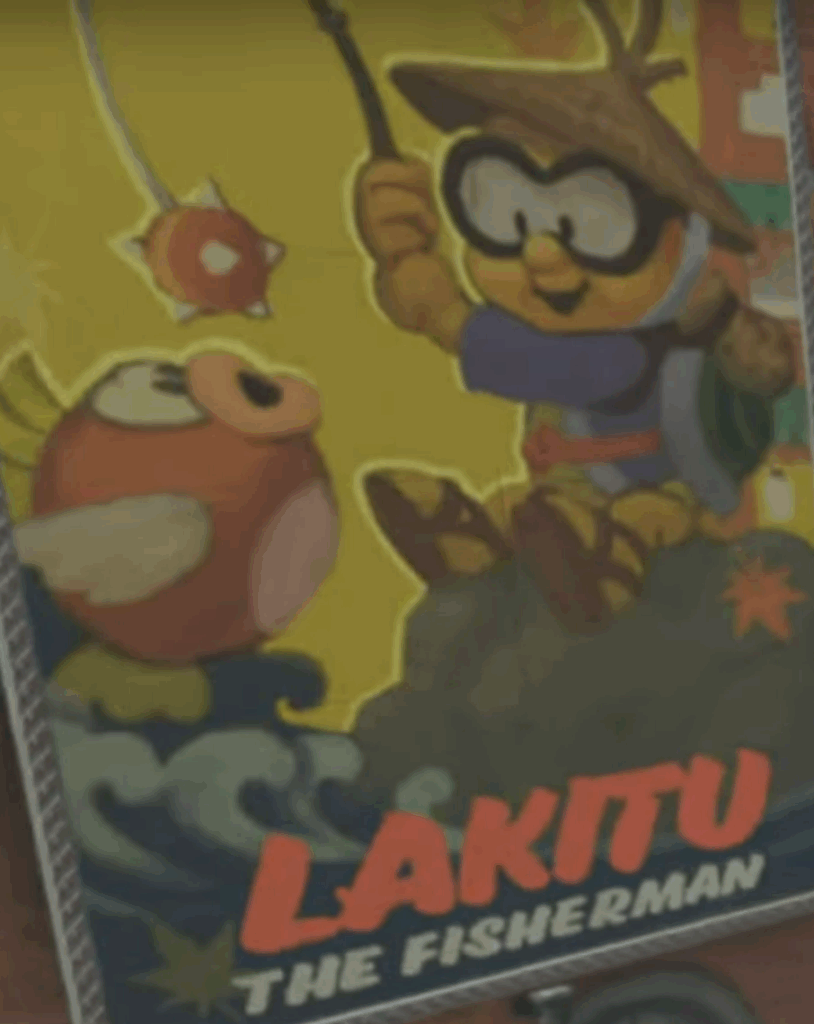
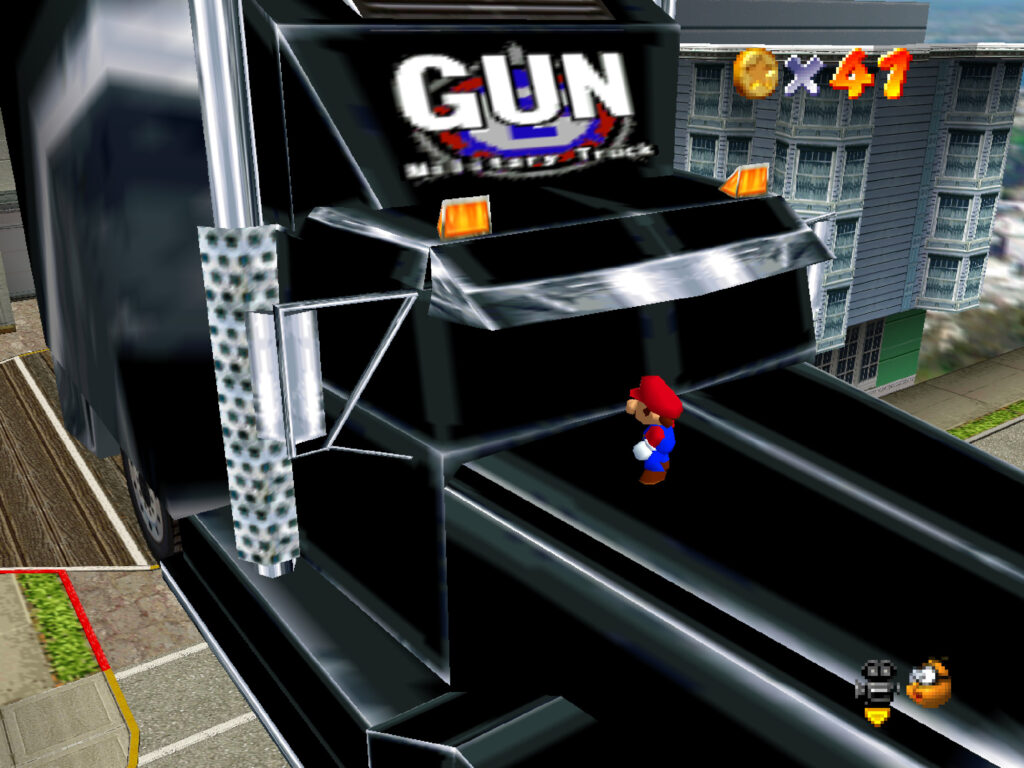
Anyway, here’s some more track signage from this heavily car-dependent version of the Mushroom Kingdom.
“Put it down Donkey Kong. No. Don’t eat the car! Bad ape!”
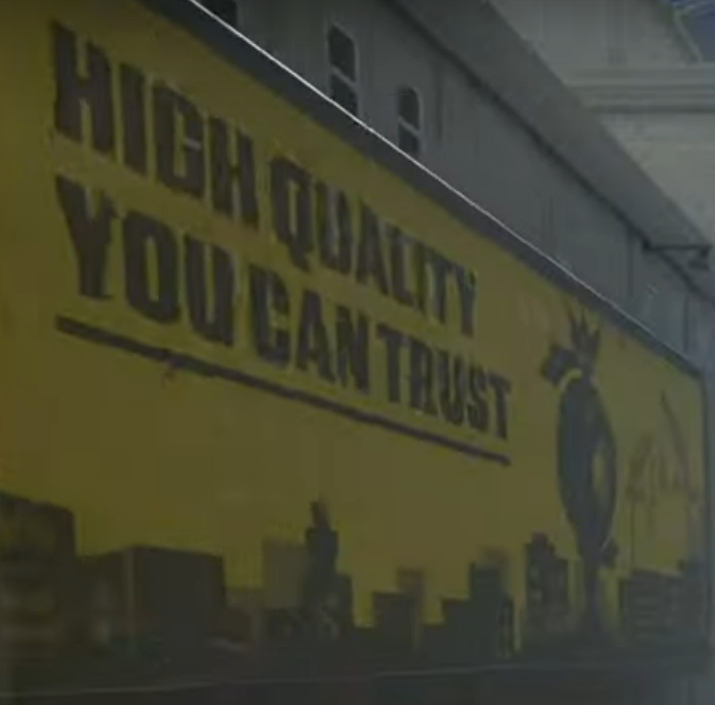
A sign seen on a high building in Crown City. Maybe this refers to Rainbow Road?
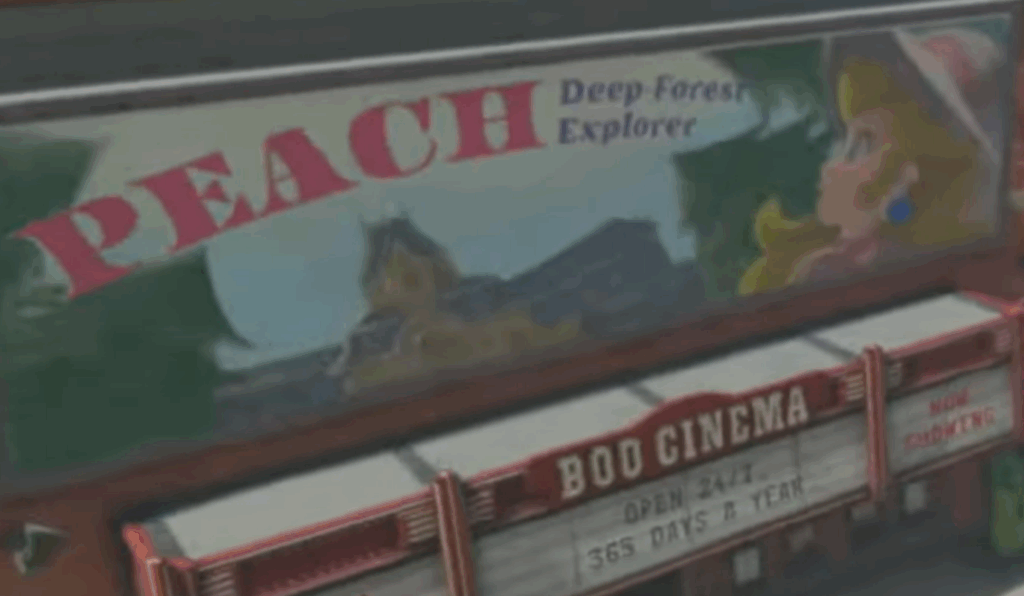
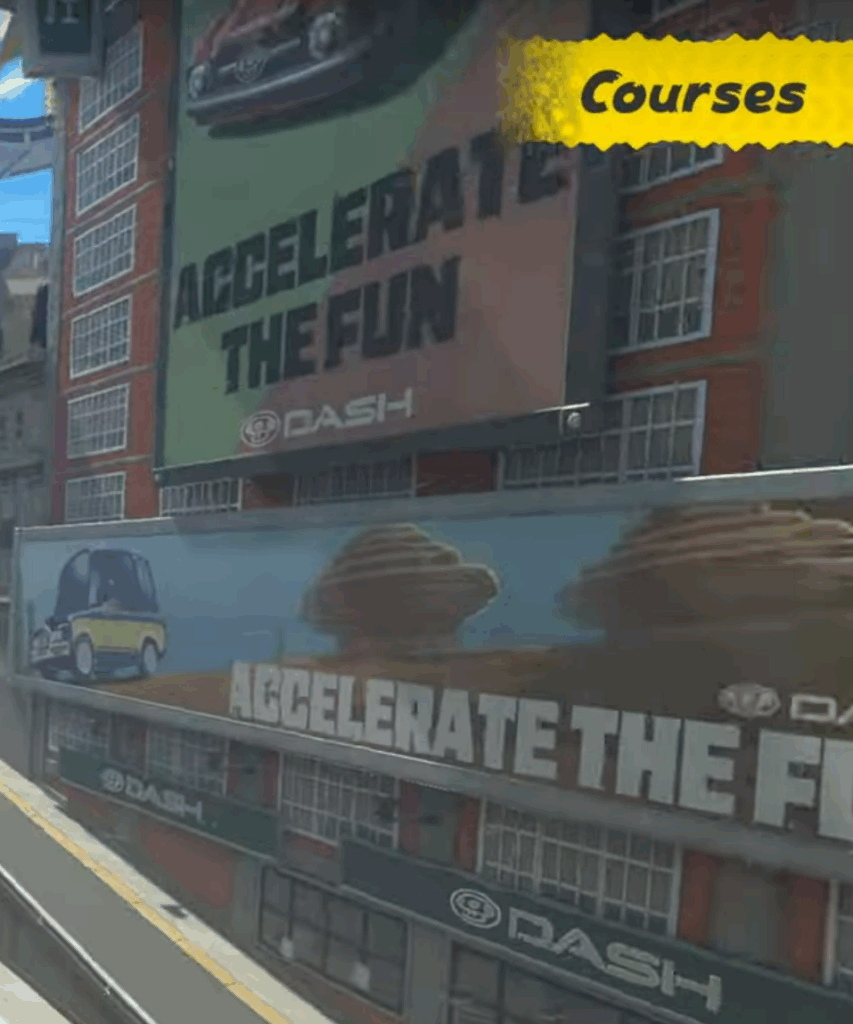
A movie poster seen outside of Boo Cinema in Crown City. I guess Peach isn’t just royalty in Marioland, but a movie star too. Boo Cinema seems to be a chain. They’re open all day and all year, in case you want to watch a movie at four in the morning on Christmas Eve. It’s all good, the ghost staff doesn’t need to sleep.This seems like it might be a direct reference to the poster of some real-world movie, but I don’t know which it is.Large poster on what I think is the Koopa Construction building. The big tire refers to the big tire looming over Crown City, I think.The Dash company uses a standard Mushroom item as its logo.“We Build Your Homes. We Build Your Towns. We Build Your Dreams. Koopa Construction.” Is it just me, or does that sound a bit sinister?
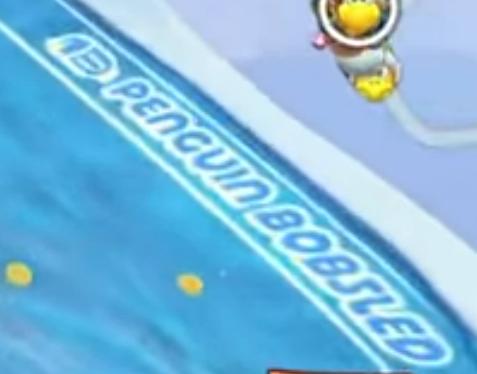
Why would penguins, who don’t need to sled, start a sled company?
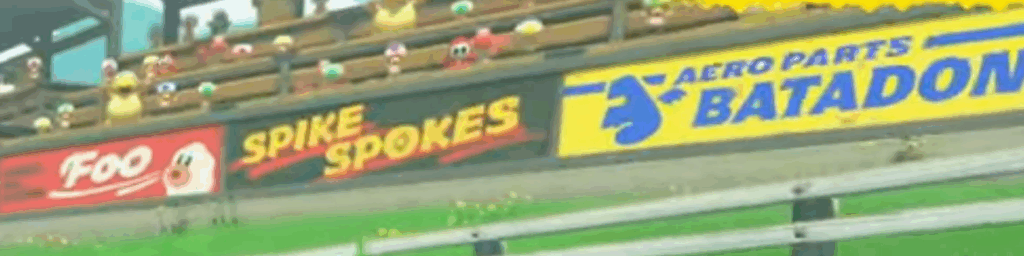
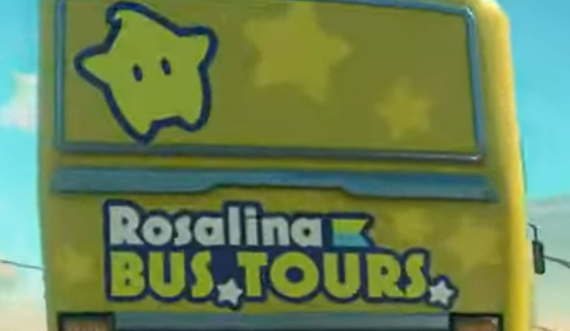
Sorry for the poor quality, these are snipped from the Nintendo Direct video, and blown up really far too. Is that Peach’s crown?
Foo? Foo?? A Smokey Stover reference in this day, age and country of origin? I also don’t know what a Batadon is, but from the logo I think it’s a flying Easter Island head.I’m sure there’s a good explanation for why the cosmic princess who travels the stars started a Greyhound competitor.
They added these signs to Toad’s Factory after the incident last month. That poor toad, maimed for life.
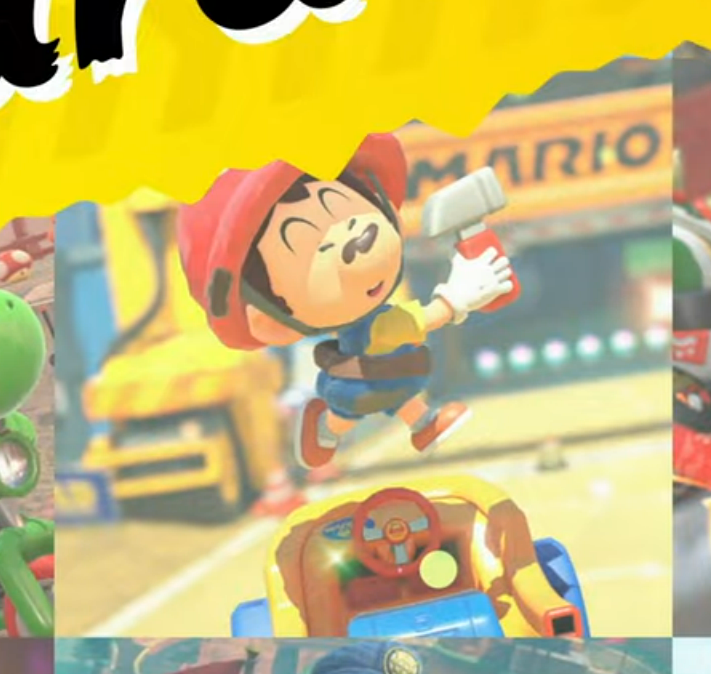
And, unrelated, under characters there’s this person:
Um, who in the name of the Question Block of Doom is that supposed to be?
On Romhack Thursdays, we bring you interesting finds from the world of game modifications.
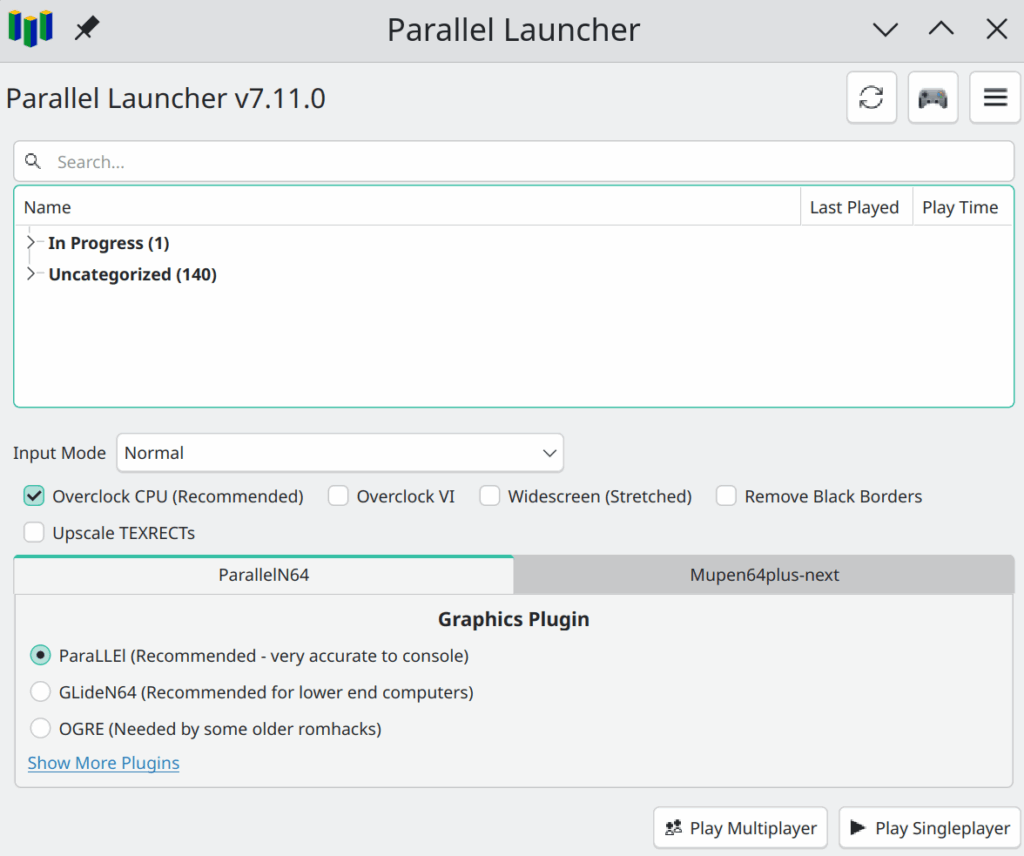
This week’s find isn’t a romhack specifically, but a way of playing them, both in patching and running them in an emulator, in a fairly automated way, at least if the hack you seek to play is for an N64 game, and especially if that game is Super Mario 64. It’s Parallel Launcher.
Parallel Launcher is an all-in-one solution to running N64 hacks. When you first run it, it’ll install a small Retroarch binary for its own use and set it up for exclusively for a couple of N64 emulators. You can supply the path to a folder of N64 roms and BPS patches, and it’ll try to apply patches to the roms on the fly when you try to play them.
It also has integration with the website romhacking.com, which is not connected with the hack news site romhacking.net or its follow-up romhack.ing. I’m not sure what the full extent of this integration entails, but if you have Parallel Launcher and a properly set up SM64 rom, and click on a Play Now link on a hack’s page on romhacking.com, it’ll mostly-automatically download the patch, patch the rom, and run it for you, without you having to do anything else other than allow the link to be passed from your browser to Parallel Launcher. There’s even some integration to track what stars you’ve found.
Once set up, Parallel Launcher works well! One of the biggest obstacle to playing romhacks, after sourcing the rom images themselves, is the effort and focus needed to generate them. You obtain the rom, then the patch, then the utility to do the patching. Then you run the utility, supply the location of the rom and the patch, and then roughly half the time the patching fails. If you’re using a format like BPS you’ll be told, and will then have to get the right version of the rom file or figure out how to repair yours. If you’re not using BPS or a similar kind of patch, you won’t find out until you try to run the game.
None of these steps is very hard to understand, but it’s a big hassle. While Parallel Launcher won’t help you find versions of roms, it’ll do just about everything else for you. In the way of emulators and emulation tools, it’s available for most current and popular desktop platforms. It’s a useful tool for a hack player’s box.
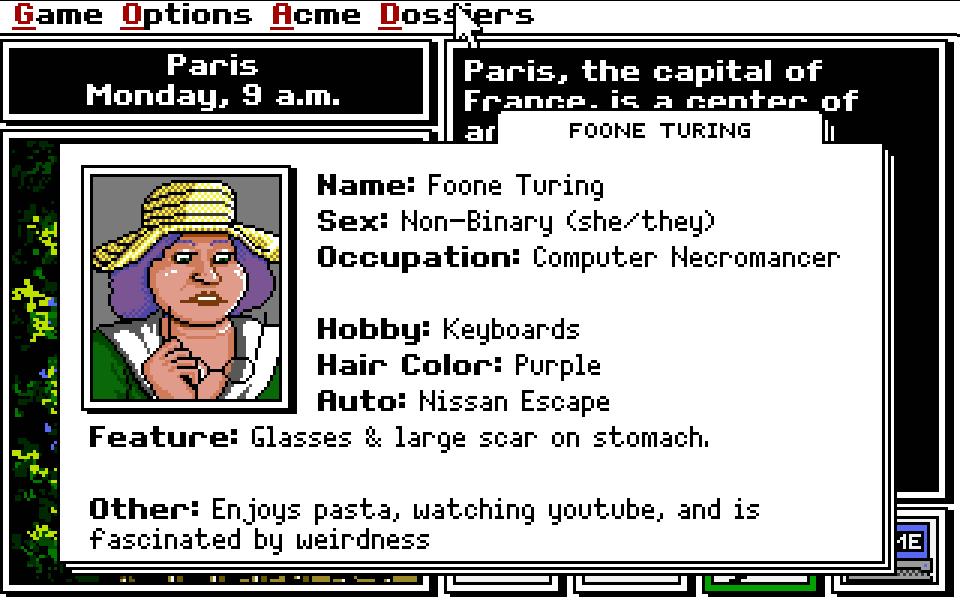
Foone began her journey in search of the elusive mastermind back at the start of the year, and the thread is still going on. One of the early hacks she made is putting herself into the game as one of the criminals. I think this screen isn’t faked. She made and maintains the Death Generator website, so it wouldn’t even be particularly hard for her I think.
Some notes from the very long thread, which is still going:
Nouns used as verbs encountered: gibberish, chunk.
The game has support for changing the Acme Detective Agency image depending on different seasons of the year.
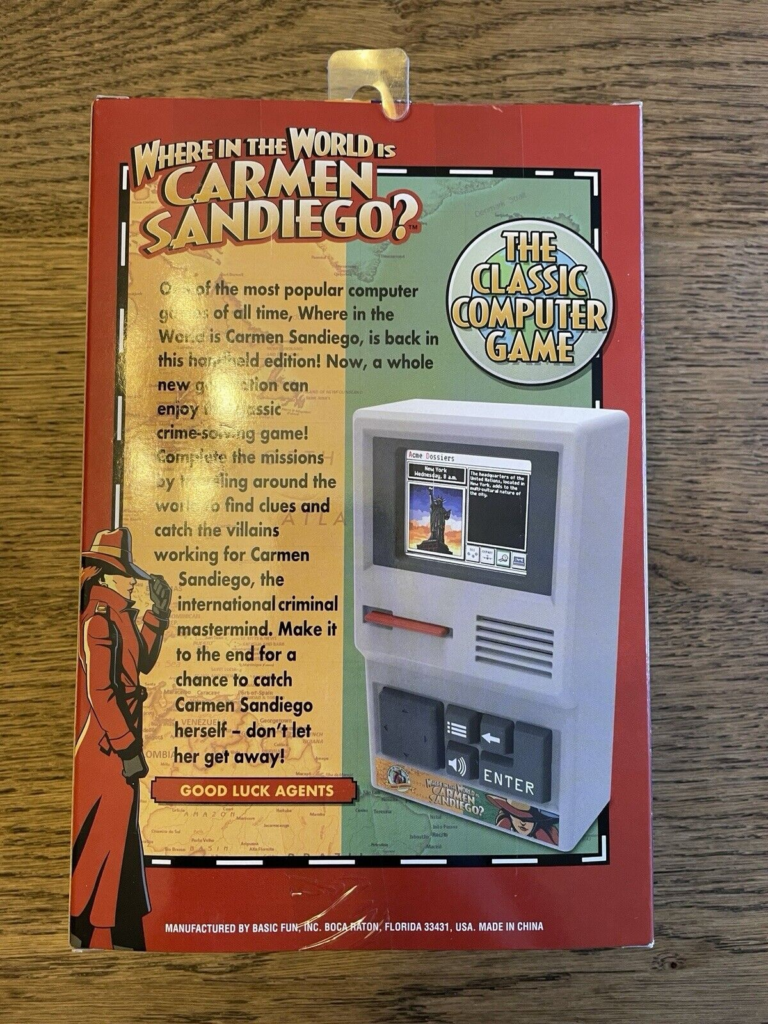
There is a handheld version of Where In The World Is Carmen Sandiego, which is actually a small DOS emulator, here’s the back of its box:
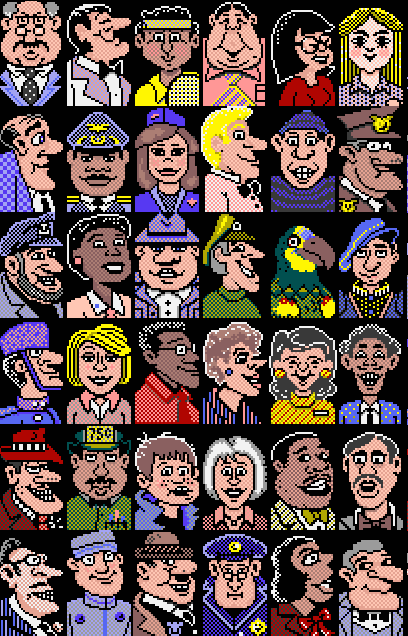
And here’s all of the people you can talk to in the DOS version:
I love this kind of cartoon art style, you (okay, I) don’t see it much anymore, now everything wants to look like anime.
A reference is made a post on Raymond Chen’s (awesome) Old New Thing blog, about a DOS game running under Windows 95 that crashed because it saw too much memory. It handled memory by allocating and allocating and expecting to be told “no” eventually. Windows 95 would keep giving it memory, going to virtual memory, from the swapfile. The program didn’t expect to keep being given more memory, and eventually it overflowed the array it used to keep track of it all. This seems to be the Old New Thing post.
On the world changing beneath the game: the frowned-upon word for Romani (beginning with ‘G’) is patched, the Brazilian currency name was wrong even when the game was released, lots of changed flags, the fall of the Soviet Union changed lots of things.
Displaced Gamers and their various technical dives, including the Behind the Code series, are favorites around here, and we’ve linked to them many times before. They take a lot of time with their content, but they always do a good job, much better than the average Youtube channel of whatever type, and it’s always something interesting to learn about. They have a new video up now (22 minutes) that examines the differences between the original and revised versions of Super Mario Bros 3, released a few months apart back in 1990.
Most of the differences were superficial: they changed the cover art slightly and added a ® symbol replacing a ™ on the Official Nintendo Seal. On the rom itself, they changed the names of the lands in the ending, from a flavorful set of localized names to just Adjective Land eight times in a row.
But there were other changes, and one of them was a substantial difference in the code, one that required moving much of it around by seven bytes to make room for it.
What was it? In brief, there’s one level in the game, 7-3, that uses a vertical-only scroll instead of a horizontal or multi-directional scroll, and it writes the images of the cards in the status window to the wrong place. So in the original release, on that one level, the card images are mysteriously blank during the vertical section.
That was fixed in the revision, which meant a check for what kind of scroll the level was using, and which changed the pointer to where to write them. Code needs space, and that space came out of a section of unused bytes at the end of the rom, with all the code between the change and that section shifted to account for it. If you had a Game Genie code that relied on data in those memory locations, too bad! You’ll need a modified version of that code.
Here’s the full low-down, which goes into much greater detail:
The indie showcases highlight the many indie titles we play here on (Josh Bycer’s) channel. Games shown are either press keys, demos, or games from my collection.
Owner of Game Wisdom with more than a decade of experience writing and talking about game design and the industry. I’m also the author of the “Game Design Deep Dive” series and “20 Essential Games to Study”
Sundry Sunday is our weekly feature of fun gaming culture finds and videos, from across the years and even decades.
I think I’ve posted some of these before, but I don’t think I’ve done all of them, and I’m cleaning some links out of my list. So let’s take another look.
These are from a six-or-so year old meme that began with putting creepy (but not too creepy) music to battle music from perennial retro JRG favorite Earthbound. Earthbound had lots of weird and crazy enemies, so they fit fairly well. But they’re not all Earthbound collections, just so’s you knows.
I’ve got quite a few of these links. I could spread them across weeks, but I’ve got other posts to make, so I’ll just unload them all at once. Watch as many as you can stand.
The video refers to a shorter video (19 minutes) by Zarithya, who solved some particular technical issues that made the 16-player game possible. If you’re in the mood for the full journey watch the above video; if you want less of your day consumed, try this one:
The gist: Faceball 2000 was a console (and portable) recreation of an Atari ST game called Midi Maze. Midi Maze was probably the first true FPS. Faceball 2000 got releases for multiple platforms, but the first, and most impressive technically, is probably the Gameboy version.
Developer Xanth Software F/X had a 16-player version of Gameboy Faceball working internally with special cables. Nintendo wanted them to support their new four-player adapter, but the mode that allowed for 16 players with the rigged cables was left in (it still works with an ordinary Gameboy link cable, jut limited to two players), although the devs noted in a 2005 interview that they had only managed to test it with up to 10 players.
Zarithya managed to figure out a way to play it with higher player counts with minimal extra hardware, and also discovered, and fixed, a bug that made 16-player games impossible with the code as released. It’s a pretty accessible explanation, you can probably understand it without much of a technical background.
That’s the main point; for the full story, the videos above are available. Enjoy, if you have the time!
For this podcast, I spoke with Dominic O’ Reilly from Krunchy Fried Games who is working on the adventure game Five Day Detective. We spoke about adventure game design and writing along with the challenges of creating the story alongside the puzzles.
Owner of Game Wisdom with more than a decade of experience writing and talking about game design and the industry. I’m also the author of the “Game Design Deep Dive” series and “20 Essential Games to Study”
On Romhack Thursdays, we bring you interesting finds from the world of game modifications.
Another romhack! There’s lots of hacks and it’s not always easy to find one I consider notable enough to present. This week’s definitely has technical skill on its side.
Mario Adventure 2 might sound like a successor to Mario Adventure, a 2001 hack of Super Mario Bros. 3 that remakes it into an almost entirely different game. That would be great, but that’s not what this is. (And neither, I think, are related to this Mario Adventure 2.)
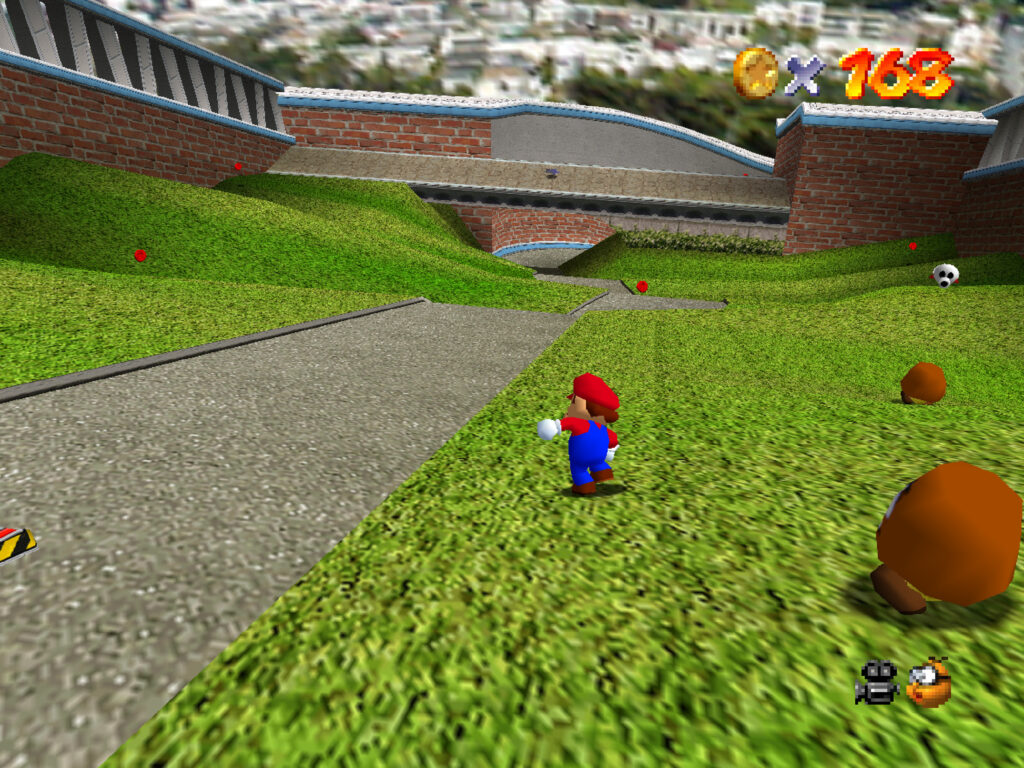
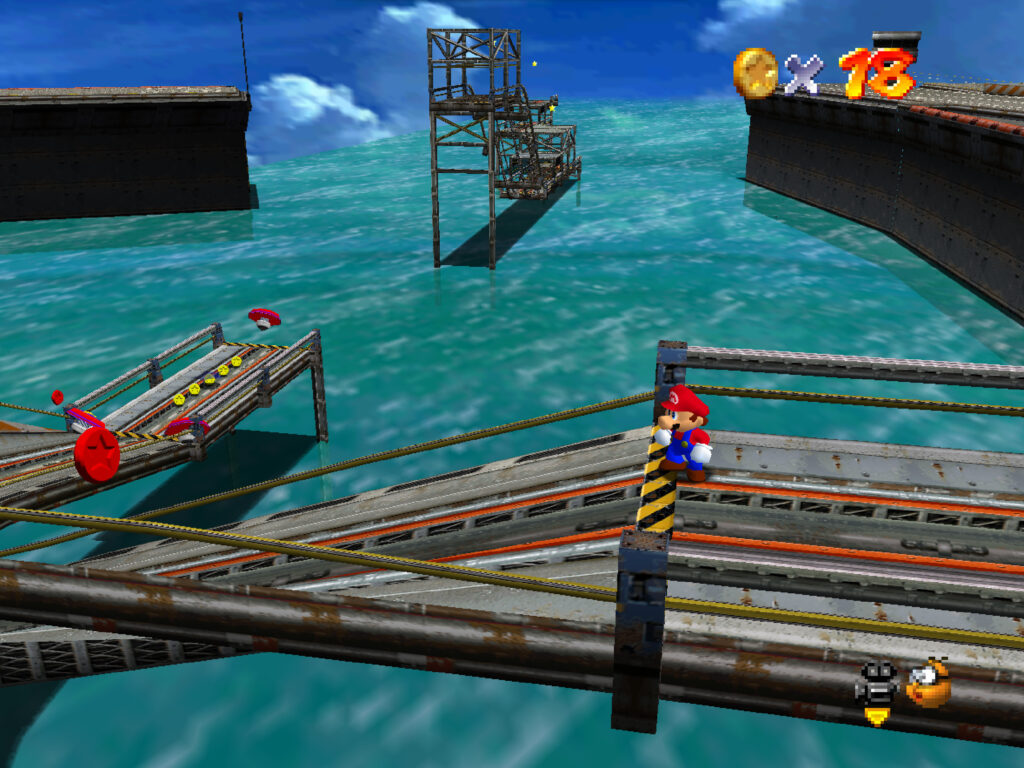
Mario Adventure 2 gets its name from Sonic Adventure 2. It’s a port of that game’s levels, fairly closely, into the Mario 64 engine, with some chances to Mario’s handling to accommodate 3D Mario and 3D Sonic (and his 3D friends) differences. That’s a pretty tall order!
The hack is not complete (its creators call it a demo), but unlike many WIP hacks that modify a level or two and then remain in limbo forever, Mario Adventure 2 has already converted around half the levels, the whole “Hero Side” story, starring Sonic, Knuckles and Tails. The “Dark Side” story, centering around Shadow, Rogue and Dr. Eggman, is not yet ported, but even if nothing is ever released from that, there’s a great deal to play.
Now if you know anything about these two games, your curiosity is probably piqued, not so much by how the levels from Sonic Adventure 2 were made completable by Mario, but how Mario 64’s engine could handle them at all. Sonic Adventure 2 is a Dreamcast game, but Mario 64 was made for the Nintendo 64! And it doesn’t pull emulator tricks to make them work: the game works on actual N64 hardware!
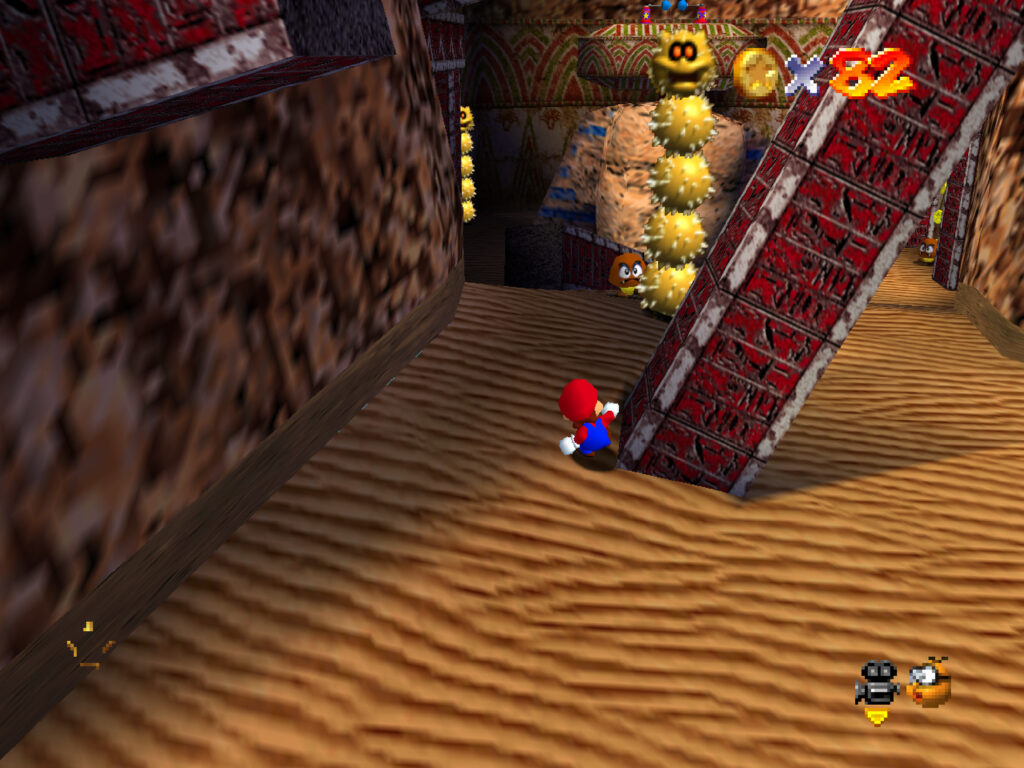
I don’t know for sure, but it seems like the game splits Sonic Adventure 2’s large levels into sections, that are loaded in as separate maps. And while the main sections of SA2’s maps are rendered in full, the many areas off the main route, that can’t be entered, are missing a lot of polygons (one of my screenshots shows this).
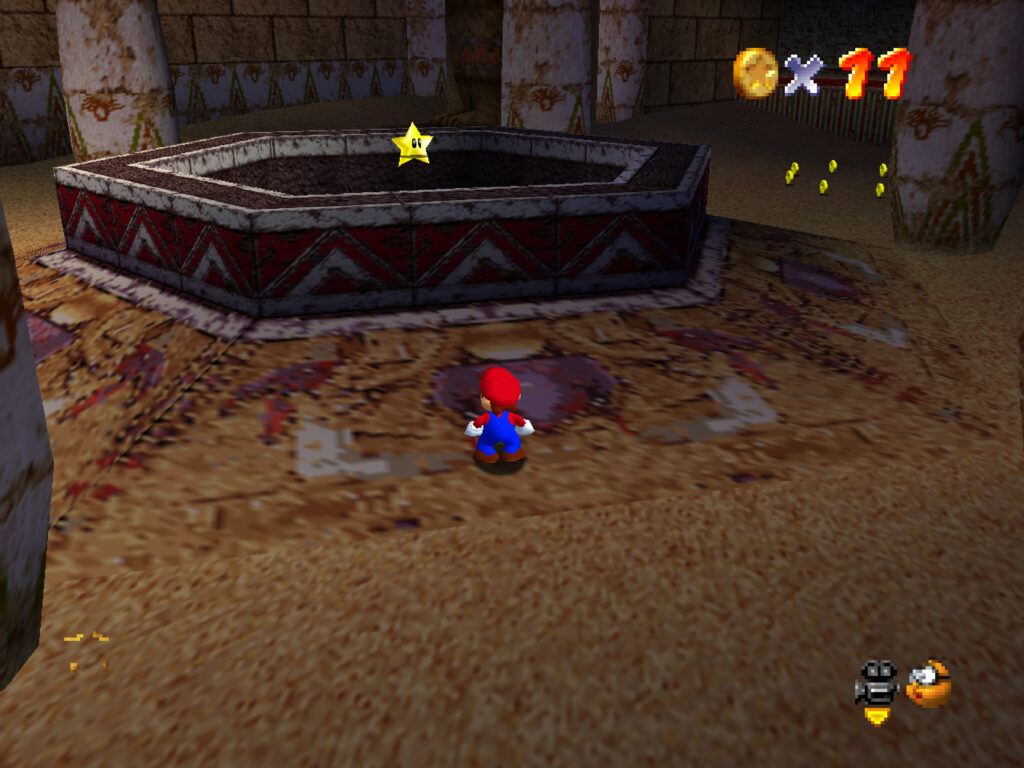
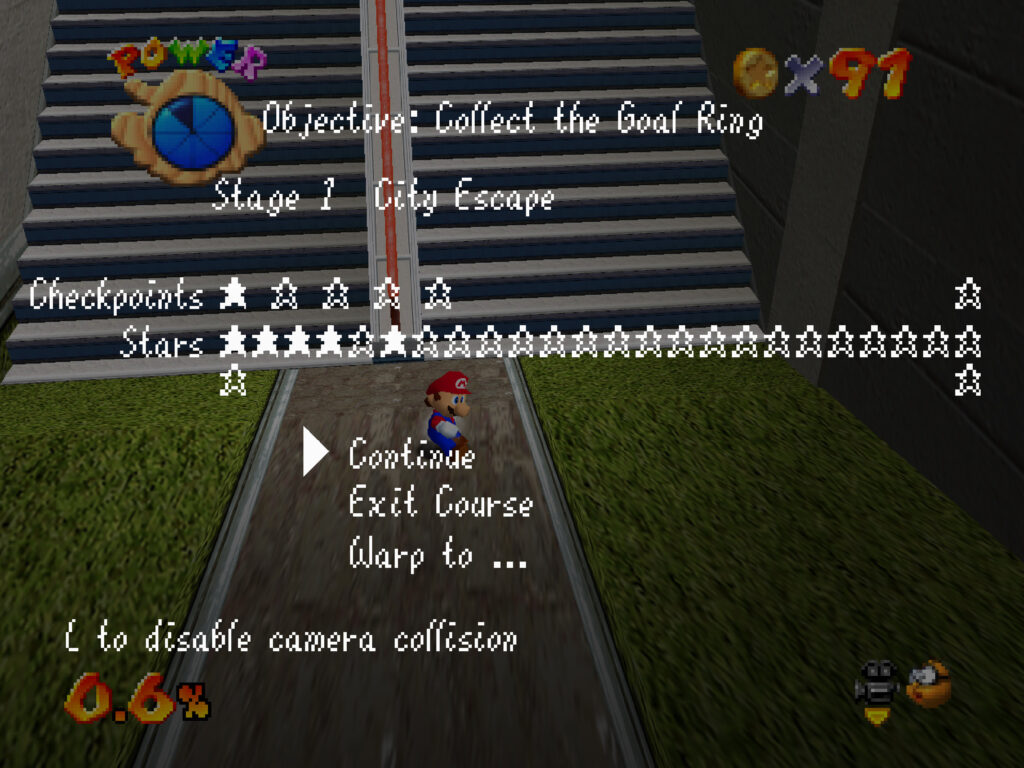
Replacing the emblem goals in SA2, Stars have been placed throughout each levels. The levels have far more than Mario 64’s eight Stars each, and the early levels, at least, have at least 25 of them. Some short sections of map have three stars to collect, visible at once. The remakes of Knuckle’s stages, which I remind you are non-linear and exploreable, are dense with them. Collecting a Star doesn’t kick you out of the level either, so it’s possible, though difficult, to get all the Stars in one go.
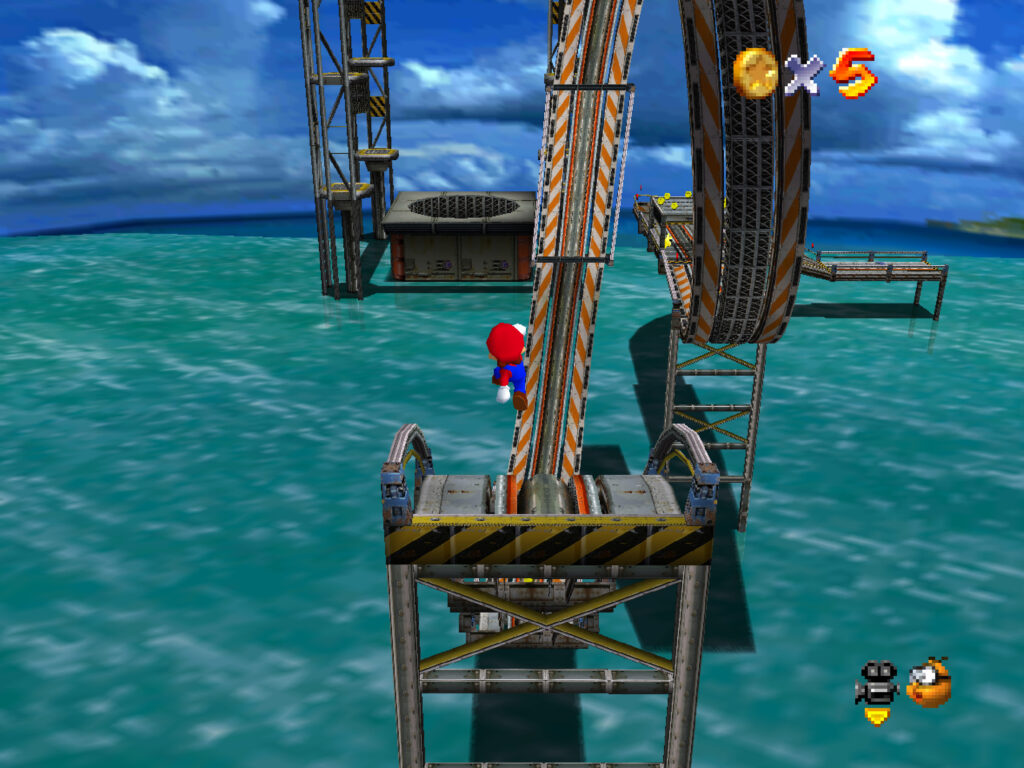
Mario 64’s engine has been changed to remove fall damage, and to allow for grinding on rails, which you’ll remember was a pretty big selling point of SA2. It hasn’t been changed to allow for rolling up steep slopes though, and Sonic’s loops had to be cheated in various ways, although you’ll also remember, I’m sure, that SA2 did some cheating of its own. Mario Adventure 2’s handling of them is probably a little less janky.
Those who’ve played Sonic Adventure 2 will remember a considerable amount of jank, and its Mario-focused counterpart reflects that. The first level, City Escape, is one of the most janky, with invisible walls blocking side-streets, and even some places that you’d assume could be passed. It’s still playable, for the most part, but there are a couple of places in Tails’ first level, Prison Lane, that rely on specific jumps to get through. Tails’ levels involved shooting enemies to open gates to progress. That aspect has been kept in Mario Adventure 2, but Mario doesn’t have missiles, sometimes the enemies are difficult to reach, and you’ll have to find an alternate way through. You’ll get stuck near the beginning of the third level unless you take advantage of a lifting platform to make a jump that doesn’t quite look possible.
If those sticking points can be fixed, then this could easily become a romhack for the ages. Let’s hope that its makers can get enough playtesters to find them all, and have enough energy to fix them. Until then it’s worth a try, but you might want to refer to a video that plays through Level 3 (like this one, two hours long) to find a way across that gap without killing all the bats.
Skawo reports on an odd bug in both the Capcom-made Gameboy Advance releases of Zelda games A Link to the Past and The Minish Cap. It’s explained, as is frequently the fashion, in a ten minute Youtube video, here:
The video’s a bit padded with injokes and gimmicks, but beneath it all the bug is really interesting. Many games have checks to ensure the validity of save data, but the developers of both games implemented theirs in an odd way, calculating a 16-bit checksum for the file data twice, once by adding and once by subtracting, saving them both, and them when the File Select screen is setting up adding them to each other and checking for zero with the negative bit set (the high-order bit). It usually works, except when the checksum is exactly zero, which happens one in 65,536 times.
When that occurs, the total will be zero without the negative sign, which will be detected falsely as corrupted save data. As luck would have it, naming your character “God” in the European version of GBA Link to the Past will trigger the bug, and make it so you can’t create the file. But the 1-in-65536 chance comes up every time you save and exit. (The file check is made upon loading the File Select screen, so just saving with a checksum of 0 won’t trigger it; if the player saves later in the same play session, non-zero checksums will be written over the bad ones.)
1-in-65536 is a rare event, but it’s not extremely rare, and it’s absolutely the case that over the years many players have had their games declared corrupted and made unloadable. If a player saves their game, say, 20 times through a playthrough, then that’s about a 1-in-3250 chance of losing all their progress, and both games sold much more than 3,250 copies.
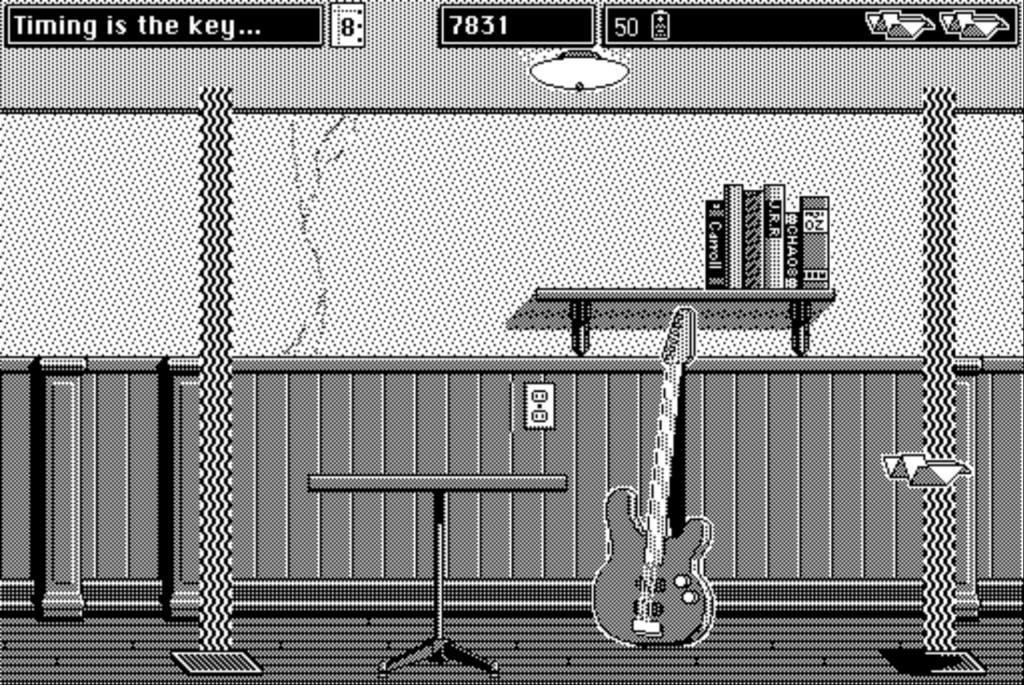
While the original Mac isn’t often considered a top gaming platform, there were neverthless some very nice games for it. One of those was John Calhoun’s classic shareware title Glider. (Glider can be played on Infinite Mac’s emulation of System 6—look in the Games folder in the Infinite Mac disk on the Desktop. The source code is on GitHub.)
Glider 4.0 (B&W mode)
Calhoun had a lot of fun just making prototypes for new Mac games, and so while he didn’t release many there are a number of half-made ones that he’s now put up in their own GitHub repository. Elite-inspired space exploration games, a computer version of the classic Black Box puzzle, a computer aquarium and other ideas are among the presented experiments.
The title of the repo is Unfinished Tales Vol. 1, and there’s already a Volume 2. There really has never been a game playing or development platform like the classic Macintoshes, it’s a window into a lost era of both computing and entertainment. Cameron Talley on Youtube made a 13 minute examination of some of their contents. This is it:
Owner of Game Wisdom with more than a decade of experience writing and talking about game design and the industry. I’m also the author of the “Game Design Deep Dive” series and “20 Essential Games to Study”